

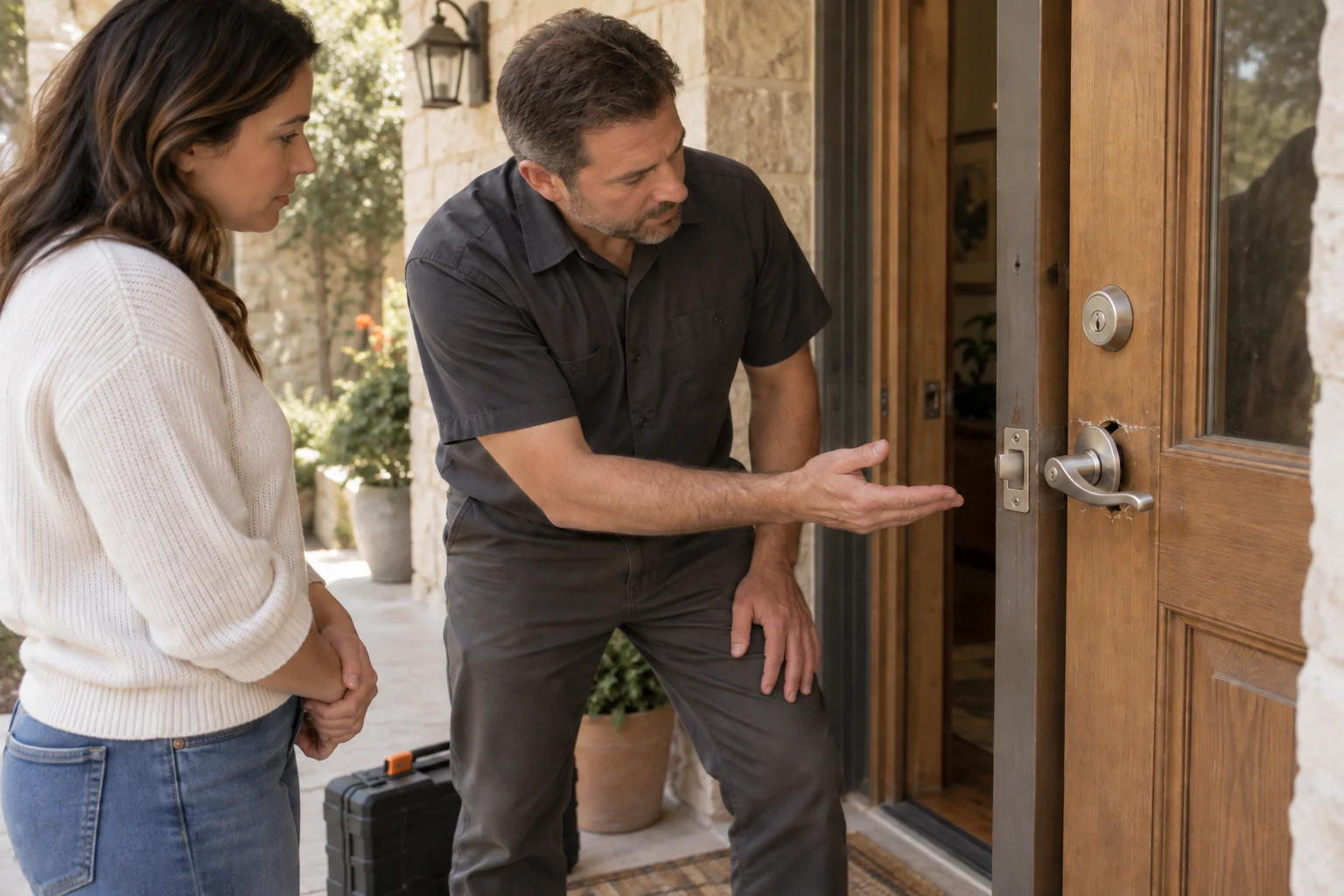
If a key will not turn or a latch will not move, stop forcing it. Check whether the problem is the key, the lock or how the door meets the frame. Some faults need adjustment; others need repair or replacement.
Start with the symptoms you can observe without dismantling the lock. Those details help a technician decide what needs checking and can prevent an unnecessary hardware purchase.
In this guide
Why door locks break
Sometimes hardware gives you plenty of warning before it completely fails. You might notice the key is difficult to insert, or the deadbolt requires you to pull the door tightly to turn the thumbturn. Other times, the internal components break without any prior indication.
Common possibilities include:
- Natural wear and metal fatigue on older internal components
- Door frames shifting or swelling due to age and weather changes
- Attempted forced entry or lock manipulation
- Rust and corrosion from heavy weather exposure
- A bent, worn, or damaged key
- Excessive force applied when turning the cylinder
Door hardware being repaired
Troubleshooting common lock problems
Before assuming your lock is completely destroyed, you can perform a few basic checks. If you do not feel comfortable disassembling your hardware, a professional can handle the diagnosis.
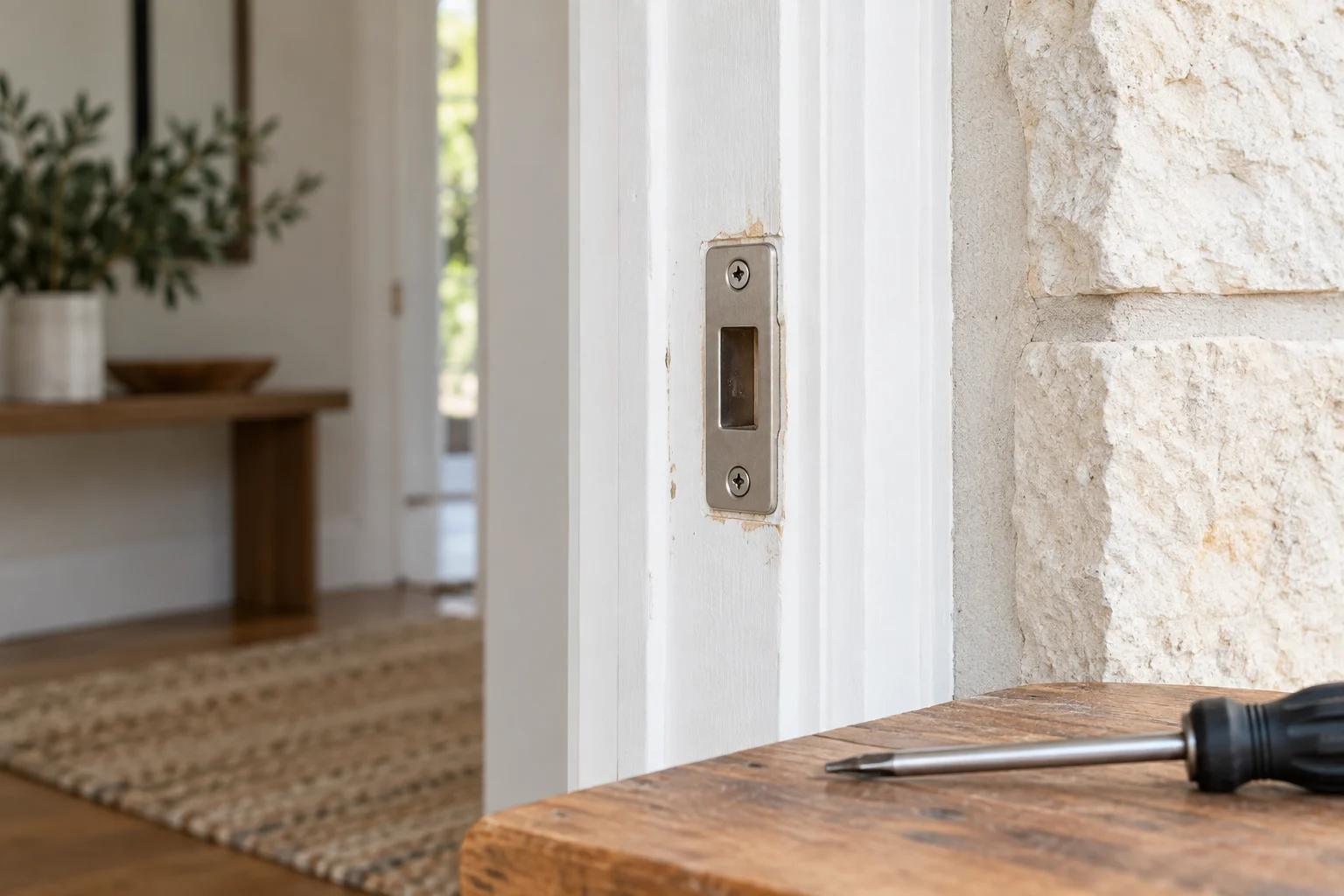
Inspect the bolt and strike plate
The deadbolt or latch bolt on your door can become damaged or misaligned over time. To inspect the bolt, open the door and try turning the thumbturn or key. If the lock operates smoothly while the door is open, the internal lock mechanism is likely fine.
If the lock binds only when the door is closed, alignment or pressure on the bolt may be involved. That does not prove the lock is undamaged. Describe the symptom and avoid filing the strike or changing the opening before the cause is established.
Check for door frame alignment issues
A sagging door or frame movement can put the bolt out of line with the strike. If you see loose hinges, damaged material or a warped door, the assessment may need to include door repair. A cylinder replacement alone will not correct every alignment problem.
Examine your key
Check the key for bending, cracks or obvious wear. If you have a sound spare, try it gently rather than forcing the damaged key. A new key may help when wear is the cause, but duplicating a badly worn pattern can repeat the problem. Ask the technician to check both the key and cylinder.
Clean and lubricate the cylinder
If the cylinder is stiff, follow its manufacturer's cleaning and lubrication instructions. Products differ: Allegion, for example, lists oil lubrication for certain Dexter and Falcon cylinders. That is why a blanket rule to always use graphite or never use oil is unreliable. Do not mix products or flood an unidentified lock.
Tighten loose hardware
If the lock or handle is loose, check the product instructions before making an adjustment. Incorrect tightening can also affect operation. Stop if screws will not hold, parts are damaged or the assembly is unfamiliar; the fixing points may need repair.
Use open-door behavior as a clue
A stiff lock may be in the hardware or in how the door meets the frame.
- Opening edge
- Latch or bolt
- Keeper opening
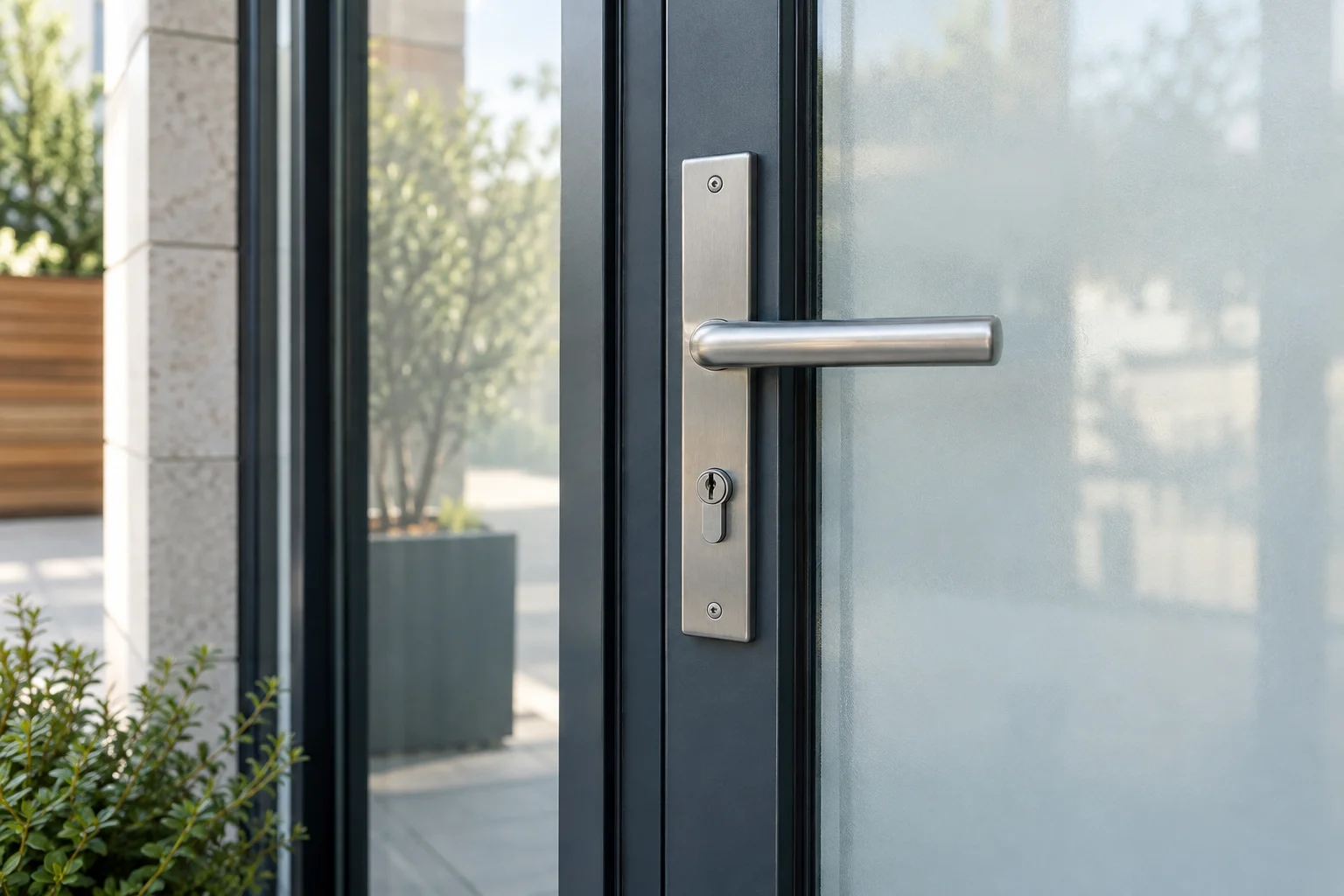
Check the lock hardware
Less common causes of lock failure
Frozen lock cylinders
If cold weather may have frozen moisture in the lock, do not force the key or use an open flame. Follow the lock maker's approved cold-weather guidance, or ask a technician about the appropriate product and assessment.
Burglary attempts
Fresh damage around the cylinder, latch or frame warrants an inspection, but a scratch alone does not prove how it happened or that the cylinder is destroyed. If you suspect a break-in, follow police instructions and have the whole opening assessed before relying on it.
What has failed?
Key or cylinder
Report insertion and turning symptoms.
Latch or bolt
Note any difference with the door open and closed.
Door damaged
Ask whether the opening can be secured during the visit.
When to call a professional locksmith
If simple adjustments and lubrication do not resolve the problem, the internal housing or tailpiece may be fractured. In these cases, it is best to contact a licensed professional for residential locksmith services to evaluate the hardware.
Check the business identity and current license before authorizing work. Texas DPS lists 512 LOCKSMITH with active license B07298601 in its business record. Ask who will do the work and how they will establish authorized access.
Always ask for a clear explanation of the labor and hardware costs before authorizing the work. A reputable technician will evaluate your broken lock, explain whether it can be repaired or needs to be replaced, and provide a total cost based on the security level of the hardware you choose.
For a lock or door problem in Austin, call (512) 777-0021 to discuss the symptoms. Dispatch is available 24 hours a day; confirm timing and the quote for your request.
Arrange a door assessment
Sources and further reading
- Dexter and Falcon cylindersAllegion
- business recordTexas Department of Public Safety