Home safes and residential hardware
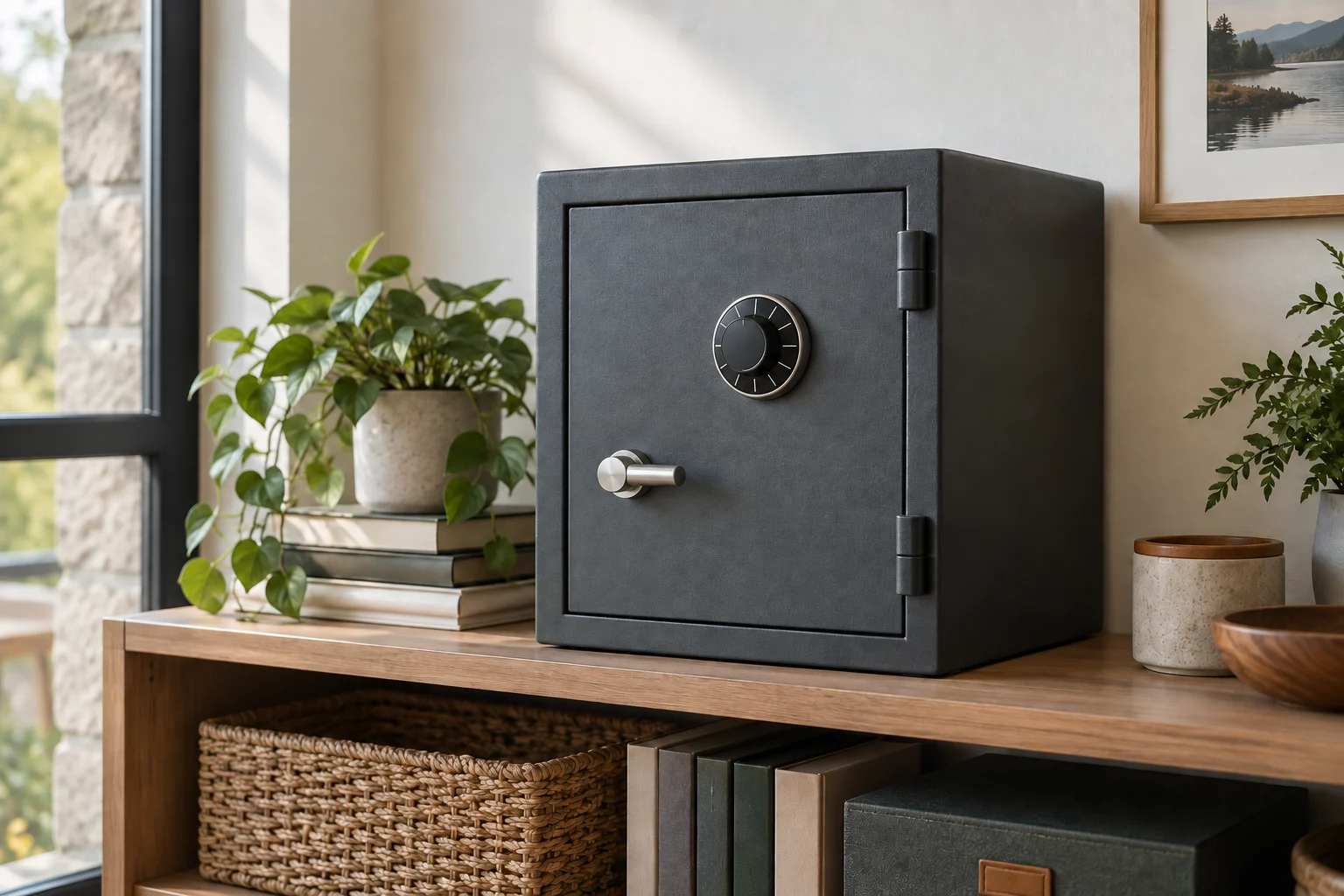
Protecting documents or valuables at home often involves a personal safe. Safes range from lightweight fireboxes to heavy steel burglar-rated units. If you inherit a safe or lose the combination, gaining access requires identifying the lock type. Safe opening methods differ entirely between a mechanical dial and an electronic keypad.
For a safe that will not open, have the brand, model and readable identifying details ready. Tell us what the keypad, dial or display does during normal use. We assess the actual equipment and condition before explaining an opening or repair. A lost combination and a failed keypad do not automatically need the same work.
Follow the manufacturer's normal battery and lockout instructions where applicable. Avoid forcing the handle or repeatedly trying uncertain combinations. Keep authorization information available, especially for a safe inherited with a property or owned by a business. We agree on the work before entry.
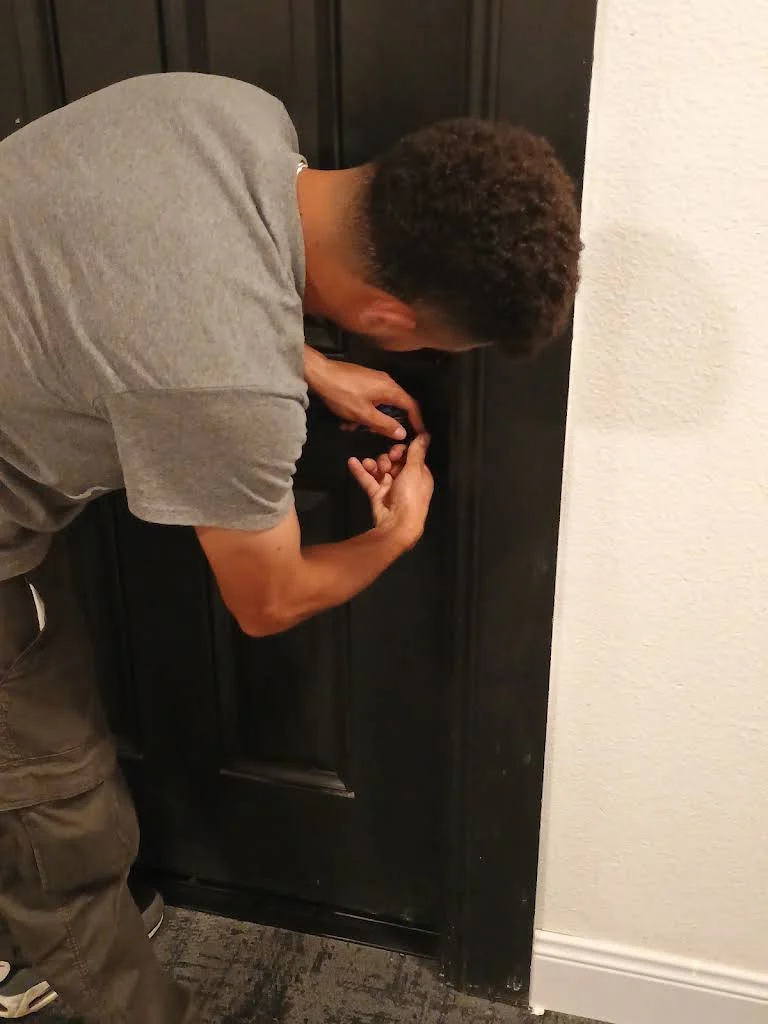
Beyond safes, upgrading your home security might involve moving from traditional deadbolts to connected devices. If you are considering smart lock installation, the door's physical condition must be right. A smart deadbolt motor cannot overcome a misaligned strike plate. If you have to push your door hard with your shoulder to turn the current thumbturn, the door needs adjustment before a digital lock can function reliably.
When updating hardware, matching the finish to your existing handlesets keeps the entryway looking cohesive. Whether you prefer a matte black keypad or a satin nickel traditional cylinder, we can discuss hardware that fits both your security requirements and your aesthetic preferences.