
Commercial core systems

Interchangeable-core lock service in Austin

A removable core can make a planned key change easier when the door already has a compatible system. Start with the format, housing and key records before ordering parts.

14+ years serving Austin
2,500+ Google reviews 4.9/5
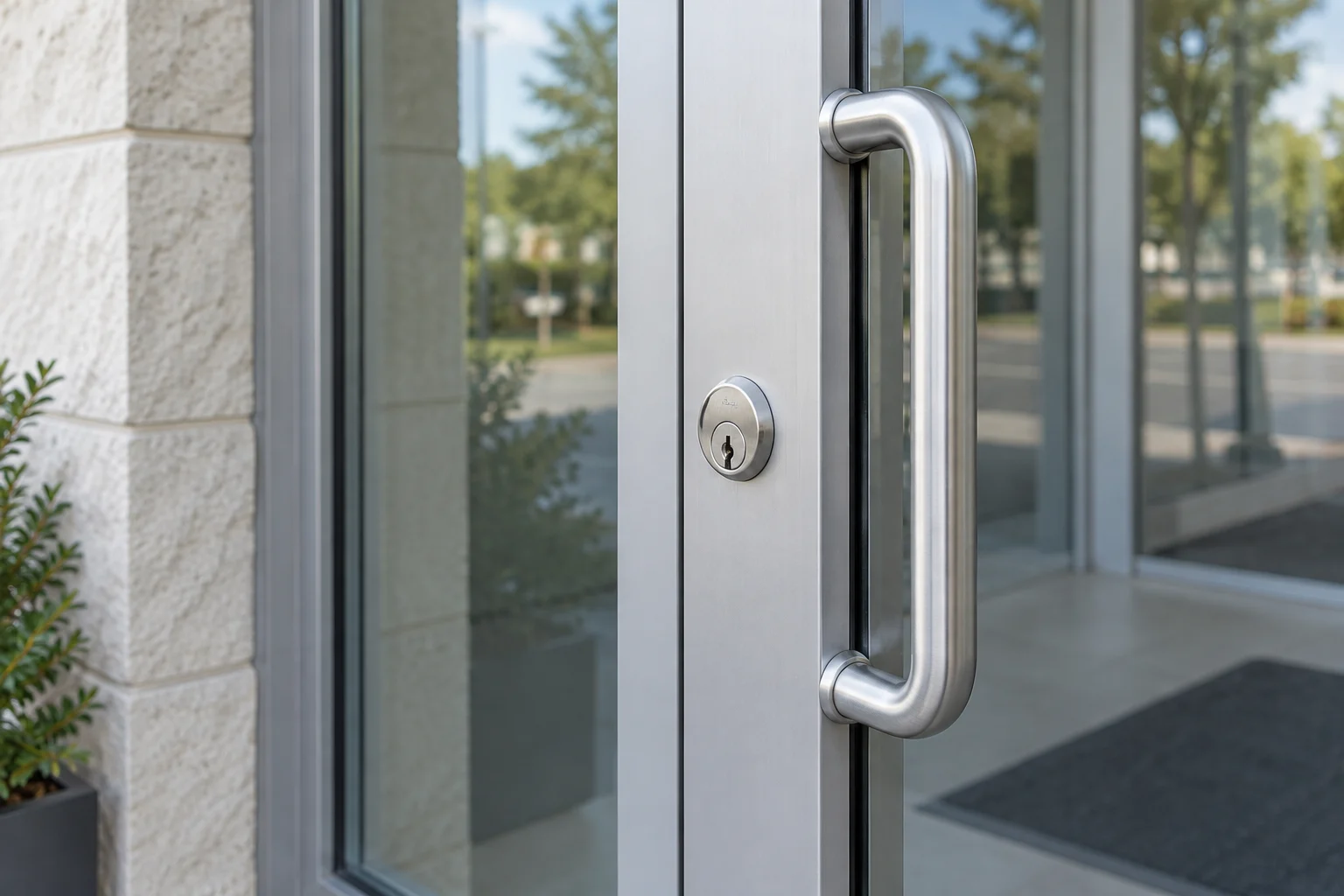
Keyed cylinder beside the pull handle of a commercial glass door
01

Know the format

The core is one part of the opening

An interchangeable core is a removable keyed unit designed for a compatible housing. The housing sits in a lock body or other prepared hardware at the door. Changing a core does not replace the latch, fix a sagging door or make an incompatible housing fit. A conventional cylinder may also be rekeyable without being an interchangeable core.

For a facility with many openings, the value is procedural: identify affected doors, prepare a compatible core and key plan, authorize the change, then document what was issued. That can support turnover or a lost-key response when the system was designed for it. The shape alone does not tell you the keyway, access hierarchy or ordering rights. Our commercial rekeying service covers the broader cylinder decision.
Identify SFIC, LFIC and the existing key system

Small-format interchangeable core (SFIC) and large-format or full-size interchangeable core (LFIC/FSIC) are different form factors. Schlage's key-system primer describes SFIC as a standardized core shape, while full-size systems vary by maker. Similar looking products should not be treated as interchangeable parts.

Bring any existing system records, readable manufacturer markings and the name of the authorized key-system owner. A core format is only the first check. The keyway, pinning or combination scheme, compatible housing, lock function and control-key authority still matter. If an old record uses a trade name loosely, the opening has to settle the question before ordering a replacement.

02

Fit and changeover

A housing is not a universal adapter

The door and lock body determine what hardware can be installed. A storefront opening, a cylindrical office lock and an exit device can call for different housings or compatible cylinders. Fire-rated and egress doors need a product- and opening-specific review. A core change does not erase those requirements.

The BEST Standard Core is an SFIC example used for planned turnover. SARGENT's 6300 Series documents a large-format removable core. Their formats serve different housings. An opening assessment identifies whether its installed assembly can take a compatible core, needs a different cylinder or needs broader hardware work.

Construction keys need an occupancy plan

During a buildout, temporary construction cores can let an authorized team use a property before the permanent key plan goes live. BEST describes this kind of planned turnover for its Standard Core system. The owner and contractor should decide which openings are in the construction phase, who holds temporary access and when the permanent system is accepted.

At occupancy, check the installed format and approved hierarchy, coordinate the change with the people who need the doors and test the intended keys. Record any opening still on temporary access. A label in a construction schedule is not proof that every door has the same housing; the physical inventory must match the plan. This is also a good time to assign responsibility for future core orders and sensitive key records.

Respond to turnover and missing keys

First map what the missing key could operate. A limited office key and a high-level master key call for different responses. A prepared core exchange can address selected compatible openings, but changing only one core may leave the same missing key valid elsewhere. If the property has a master-key hierarchy, review the affected levels before deciding on a local change.

For a managed unit or suite, include common areas, maintenance access and any doors controlled by another party. Property management rekeying covers that handoff. Ask who may authorize the work and how new keys will be issued. A control key or restricted-key product can involve additional ordering rights; system ownership and supply arrangements must be verified.

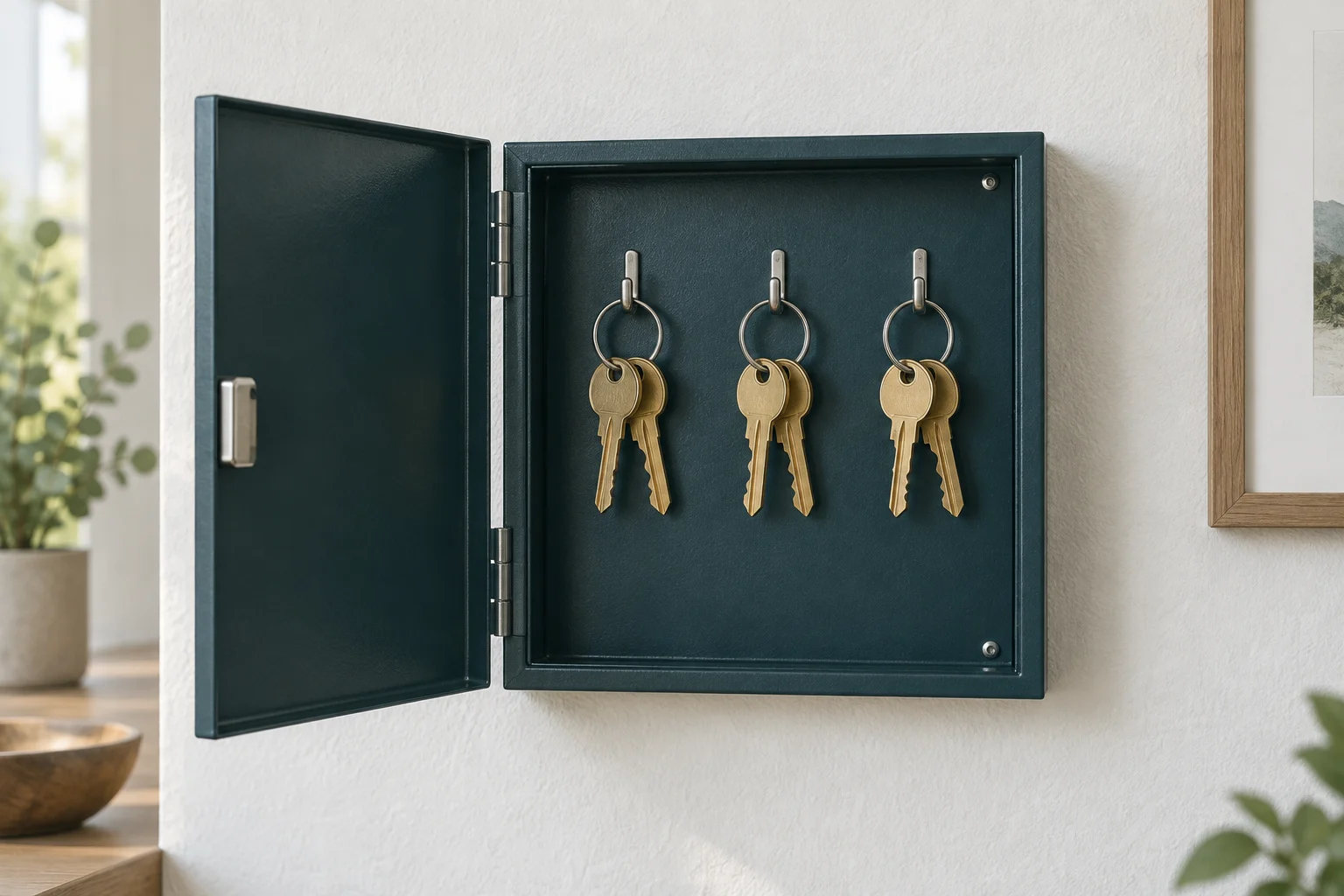
Three groups of keys in a wall cabinet

A closer look at your locks.

Tell us which brand you have and what you'd like to change. We can discuss options for your door.

  • Medeco
  • Sargent
  • Schlage
03

Decision and quote

Compare a core change with electronic keys

A compatible mechanical core can be exchanged or recombined within an approved key plan. The format, housing and keyway have to match. A prepared core change can simplify a planned turnover, but an authorized person still needs to select the affected doors, issue new keys and update the record. If a high-level key is missing, changing one core may leave other doors exposed. A construction-to-occupancy transition also needs the permanent cores and access records ready before handoff.

Medeco XT takes another route: intelligent keys, electronic cylinders and software can carry access schedules and audit information. Its product family includes an SFIC option, but adding XT is a system decision, not a pin change inside any existing mechanical core. Ask who will administer credentials, how a lost intelligent key is handled, what power and software the site needs, and whether each opening can accept the required cylinder. Maintenance and future key supply belong in the cost discussion. The installed hardware and authorized ordering process determine what can be quoted.

Scope the work and verify authority

For a useful discussion, list the property address, affected door labels, known core format, lock and housing markings, current key groups and the person who controls the system. Do not send key cuts, codes or sensitive system records through a general request. A technician can inspect the opening and compare the parts and labor needed for rekeying, a compatible core change or hardware replacement.

Ask the quote to state which openings are included, how compatibility was established, what keys or cores are supplied and who receives the records. Test operation and approved access at handoff. Call (512) 777-0021 or request service for an Austin-area assessment. We serve Austin, the I-35 corridor and communities east toward Bastrop across Travis, Williamson, Hays and Bastrop counties. Dispatch can confirm the exact address. For other business doors, visit commercial locksmith services or compare access-control systems.

From local customers.

4.9from 2,582 Google reviews

Common questions

Answers before you call.

Is an interchangeable core the complete lock?

No. The keyed core works within a compatible housing and lock assembly. A core change does not repair the latch, lock body or door.

Are SFIC and LFIC cores interchangeable?

No. They are distinct formats. Even within a format, the keyway, housing, lock function and system records need verification before selecting a part.

Can any commercial door accept an interchangeable core?

No. Existing hardware, door preparation and any fire or egress requirements determine the options. Some openings may need different components or should remain on another system.

Does changing one core change the master-key plan?

It changes that selected keyed unit within the approved plan. A lost master key may affect other doors, so review the full access hierarchy before deciding which cores or cylinders need attention.

Mobile service

Across Austin. Along I-35.

We serve Travis, Williamson, Hays and Bastrop counties. Call with your exact address so dispatch can discuss current availability.

512 Locksmith dispatch

Call with the core system and opening details.

Tell us where you are and what needs attention. We can discuss current availability and the appropriate next step.

Call (512) 777-0021Explore commercial locksmith services