
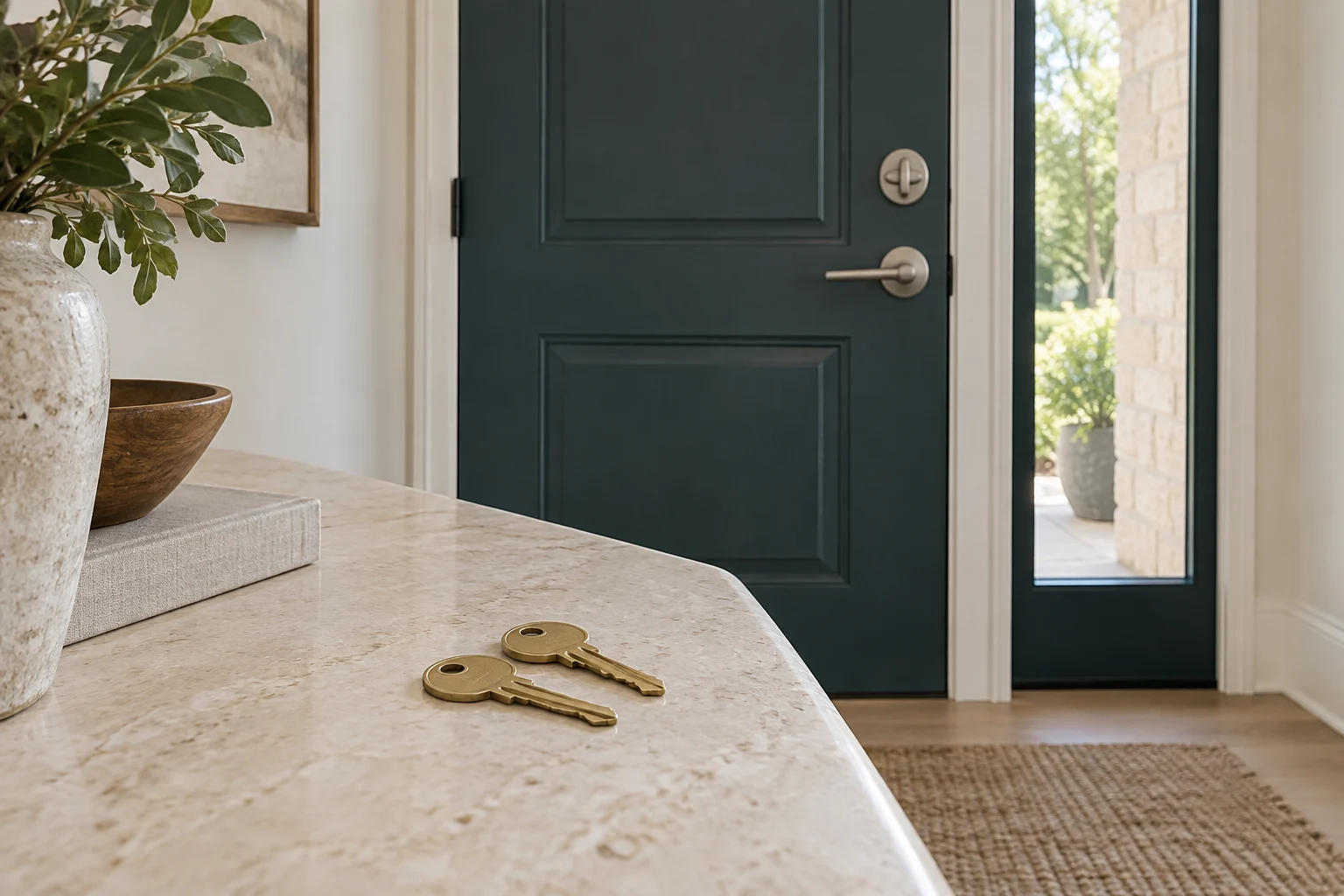
The key, cylinder, latch and door frame have different jobs. Knowing which part is causing trouble helps you describe a repair and understand why a locksmith may suggest rekeying, alignment work or new hardware.
In this guide
The pin tumbler mechanism
Many residential keyed cylinders use a pin tumbler mechanism. This design relies on a series of spring-loaded pins to prevent the lock cylinder from turning without the correct key inserted.
The housing is the heavy outer shell that protects the internal components from tampering. Inside this housing sits the plug, which is the inner cylinder that rotates when the correct key is turned. The tiny gap between the rotating plug and the stationary housing is called the shear line.
A series of small holes runs vertically through both the housing and the plug. Each hole contains a small spring that pushes down on a driver pin and a key pin. Without a key inserted, the springs push the driver pins down so they sit across the shear line. Because these solid metal pins bridge the gap between the plug and the housing, they physically block the plug from rotating.
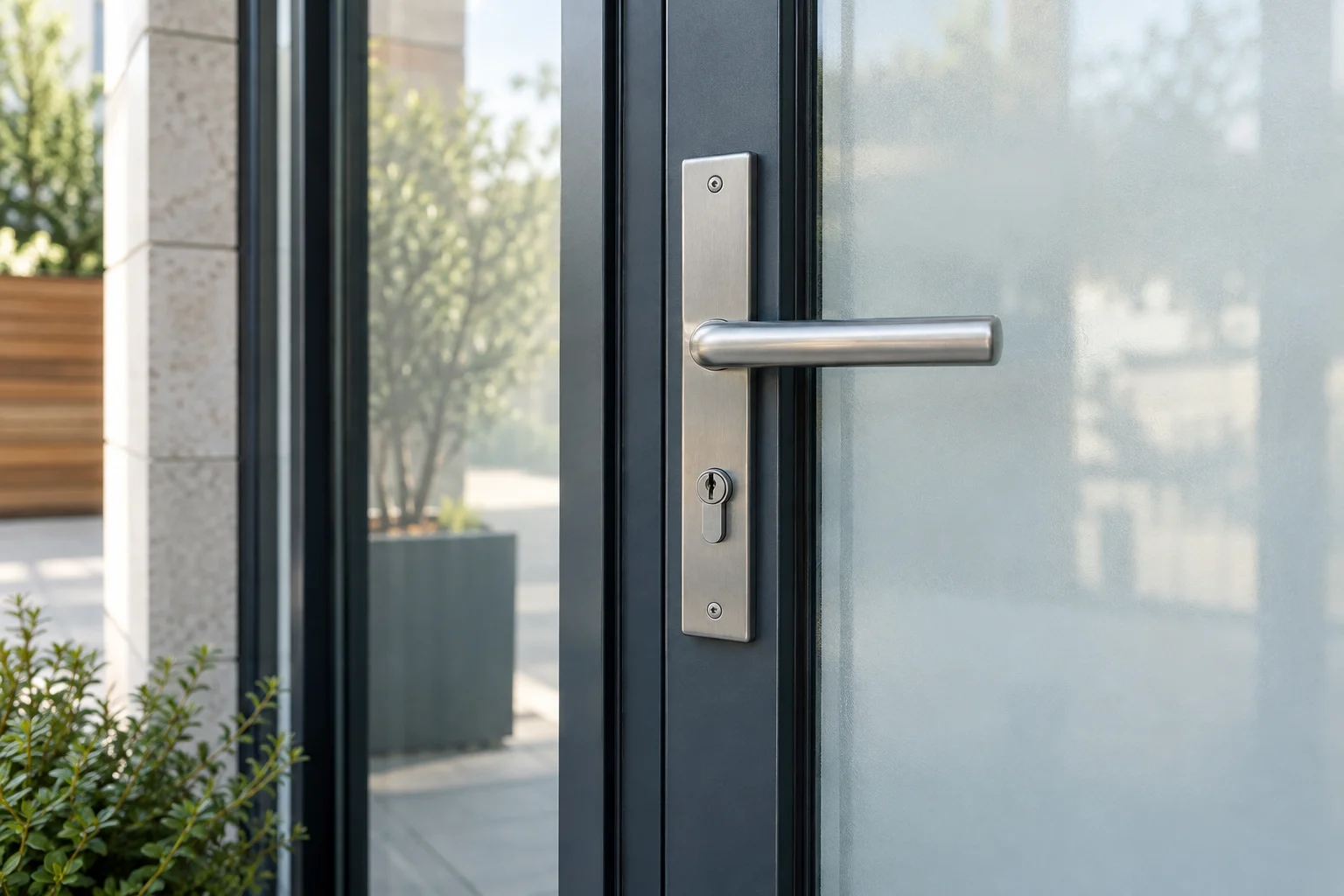
Keyed lock cylinder
How the key interacts with the internal pins
A standard key is cut with a specific pattern of peaks and valleys along its blade, known as the bitting. When you insert the proper key into the keyway, the pointed tip lifts the pins up and down. As the key settles fully into place, the specific height of each cut aligns perfectly with its corresponding key pin.
This precise alignment raises all the driver pins exactly to the shear line. With the bottom pins fully inside the plug and the top pins fully inside the housing, there is no metal obstructing the gap. The plug is now free to rotate. This rotation actuates a metal bar called a tailpiece at the back of the lock, which physically retracts the deadbolt or latch from the door frame.
Different types of locking systems
While the pin tumbler mechanism is widely used in standard deadbolts and doorknobs, other lock designs serve different security applications across residential and commercial buildings.
Mortise locks are heavily built mechanisms installed inside a deep rectangular pocket cut directly into the edge of the door. They often combine a latch and a deadbolt in a single heavy-duty metal casing. Their internal mechanism and function vary. Mortise describes how the lock case fits into the door, not a single type of key or security rating.
Rim locks mount directly to the interior surface of the door rather than being installed inside the door edge. These often use a pin tumbler cylinder on the outside that connects through the door to a simple latch mechanism on the inside surface.
Cam locks are simple, compact cylindrical locks that rotate a flat metal bar, or cam, to secure mailboxes, filing cabinets, and small electrical enclosures.
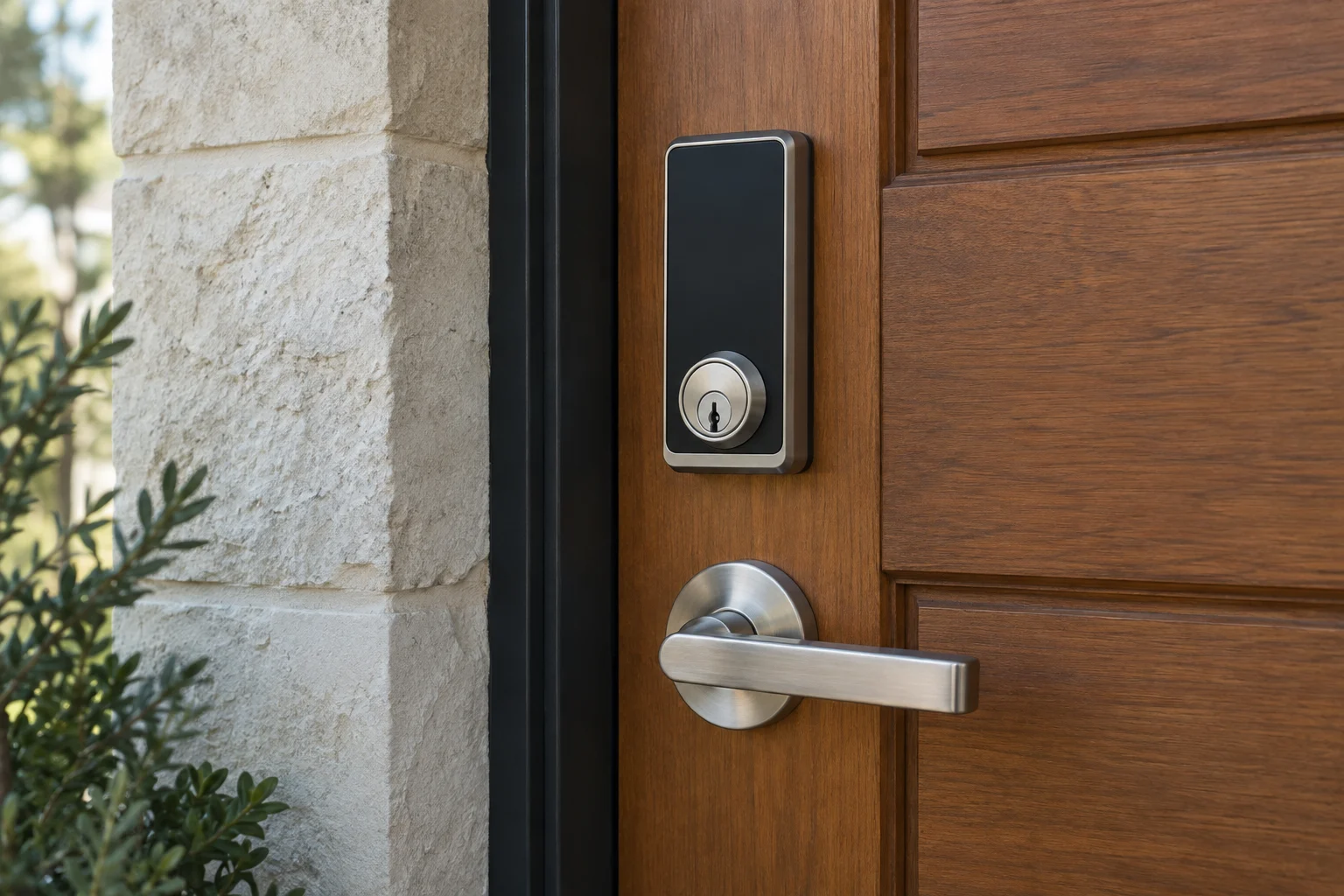
Electronic locks accept a credential such as a code, card or phone command. Depending on the design, that can operate a motor, engage a clutch or control separate door hardware. Electronic access does not describe one universal locking mechanism. Many electronic models still include a concealed pin tumbler cylinder as a manual mechanical backup in case of complete battery failure.
Another lock format
Maintaining your locks over time
The tiny pins and springs inside a lock cylinder can suffer from dirt buildup and metal wear over time. If a key becomes difficult to turn or feels like it is grinding, check the key, door fit and manufacturer's care instructions before adding lubricant. Use the product specified for that lock rather than assuming every cylinder takes the same treatment.
If you lose a key, you do not always have to replace the entire heavy lock hardware on the door. A technician can perform lock rekeying by opening the cylinder and replacing the existing pins with new ones of different heights. This matches the lock to a brand-new key and stops the old key operating the rekeyed cylinder. Other locks that still match the old key remain a separate concern.
If you want to evaluate your current door hardware or upgrade to a different, more durable lock type, contact 512 Locksmith. Ask about residential locksmith services for the hardware on your property. Call (512) 777-0021 to schedule a consultation with our mobile technicians.
A cylinder is not the whole lock
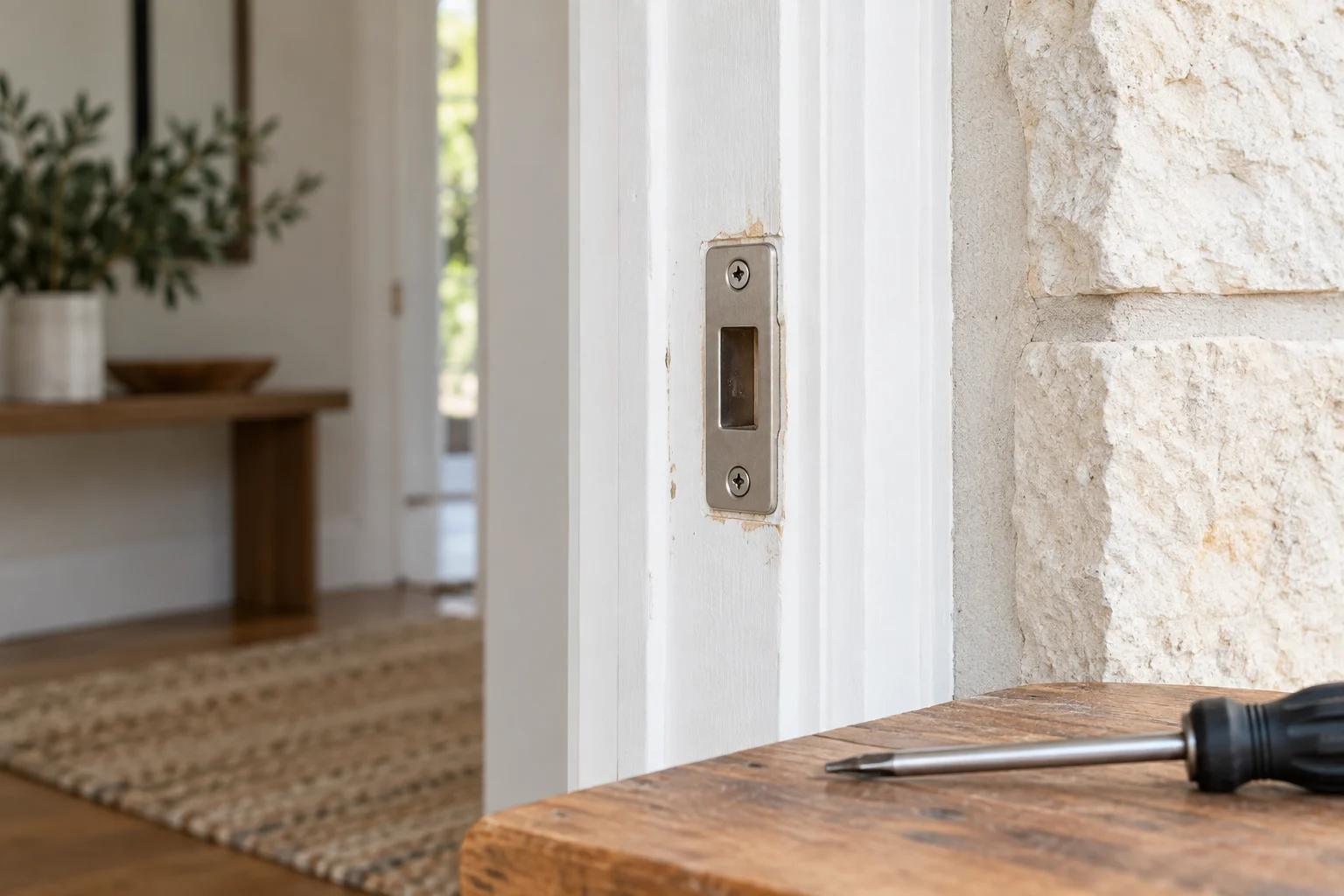
The cylinder reads the key. The lock mechanism uses that movement to control the latch or bolt. The strike receives the latch or bolt in the frame. A key can operate the cylinder correctly while the door still fails to secure because the strike is out of position.
A deadbolt is different from the spring latch that holds many doors closed. Some latches include a deadlocking feature. Our deadbolt and deadlatch comparison explains what to check when choosing between those functions.
A key is only the first part of the action
The cylinder, latch or bolt, and frame all have different jobs.
- Key
- Cylinder
- Bolt or latch
Further reading: Schlage Commercial: Schlage 101 key systems
Follow the key's job
Key
Its cut pattern operates the matching cylinder.
Cylinder
The plug turns when the correct key is used.
Lock and strike
The mechanism moves a latch or bolt into the frame.
Lock and strike
What changes when a lock is rekeyed?
On a compatible conventional cylinder, changing the internal key combination lets a different key operate it while keeping the rest of the hardware. Rekeying does not repair a cracked case, strengthen a weak frame or add electronic features. It solves an access problem when the existing mechanism is serviceable.
If you want several locks to use one key, the cylinders must be compatible. Similar-looking keys or matching finishes do not prove that they can be keyed alike. Ask the technician to check the actual hardware.
Describe symptoms instead of guessing the part
- If the key will not insert, mention any visible damage to the key or keyway.
- If it turns with the door open but binds when closed, describe the door fit.
- If the handle moves but the latch does not, explain whether the door is currently open or closed.
- If an electronic lock accepts a code but does not open, note the lights, sounds and model.
Do not force the hardware to finish the test. Photos and a clear account of the symptom can help the provider prepare without turning a small fault into broken parts.
Sources and further reading
- Schlage 101 key systemsSchlage Commercial