
Residential locksmith

Home lock rekeying in Austin

Keep working hardware and change who can use it. Rekeying changes a compatible lock to accept a different key, which can be a practical next step after a move, lost key or change in access.

14+ years serving Austin
2,500+ Google reviews 4.9/5
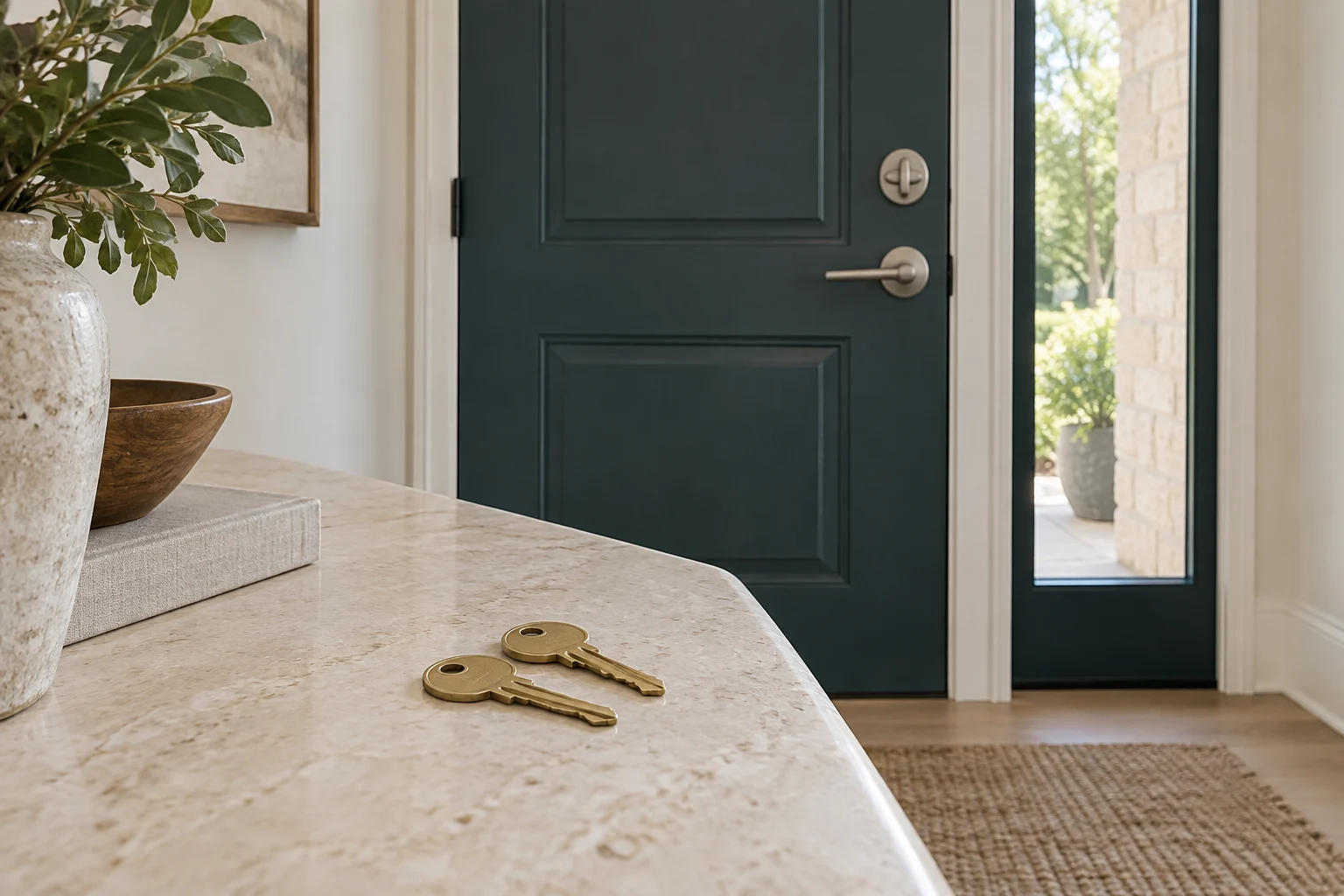
Two keys on a marble counter near a dark entry door.
01

The starting point

Start with the keys you cannot account for

Moving into an Austin home often leaves a simple question unanswered: who still has a working key? Collecting the keys handed over at closing does not tell you how many copies exist. Rekeying gives you a defined starting point for compatible locks without automatically replacing every handle and deadbolt.

The same decision comes up after a key is lost, a contractor finishes a project or a household changes its access arrangements. Explain the reason for the rekey when you call. It affects which doors belong in the plan and whether the job also needs entry, repair or a different way to manage access.

When a familiar brand still needs a model check

For example, Kwikset SmartKey Security is a rekeying feature on compatible mechanical cylinders. It is not the same thing as a smart lock with an app. The manufacturer's normal user-rekey procedure requires the current working key and the correct tool. If that key is missing, describe it as a lost-key job so the service can be planned accordingly. For mixed hardware, check the actual keyways before assuming a Kwikset and a Schlage lock can share one key.

Count cylinders, not just doors

A front door may have a keyed handle and a separate deadbolt. A side entrance, garage-to-house door and rear door may each add another keyed cylinder. Make a short list of the openings you use and which keys operate them. That gives the quote a useful basis and avoids discovering a forgotten lock when the technician is packing up.

Do not assume a gate, mailbox or cabinet belongs to the same key family as the house locks. Those items may need different hardware or a separate service. If you want one key for several doors, mention that before the visit and note any brand markings you can read without taking hardware apart.

02

Keep or change

When rekeying makes sense

Rekeying changes the keying of the existing compatible cylinder. It does not replace a damaged latch, straighten a loose door or repair a split frame. A lock that works smoothly but has too many keys in circulation is a good reason to discuss a rekey. A lock that needs force every morning deserves a mechanical assessment too.

Changing the whole lock can be useful when parts are damaged, the function no longer suits the household or you want different hardware. It is not automatically a security upgrade just because it is new. Discuss the door, the way it is used and the specific problem before deciding whether to keep the existing lock or replace it.

Can all the doors use one key?

Often that is the goal, but compatibility comes first. The existing cylinders must support a suitable common key system. Different keyways, restricted products or unusual hardware can prevent a straightforward match. Sometimes a compatible cylinder change is enough; sometimes keeping two clearly labeled keys is more practical than changing otherwise useful hardware.

Keyed-alike locks and master-key systems also do different jobs. Keying home doors alike gives the same key access to the selected locks. A master-key plan creates different access levels and needs additional design and key control. A homeowner who simply wants a smaller key ring usually does not need that complexity.

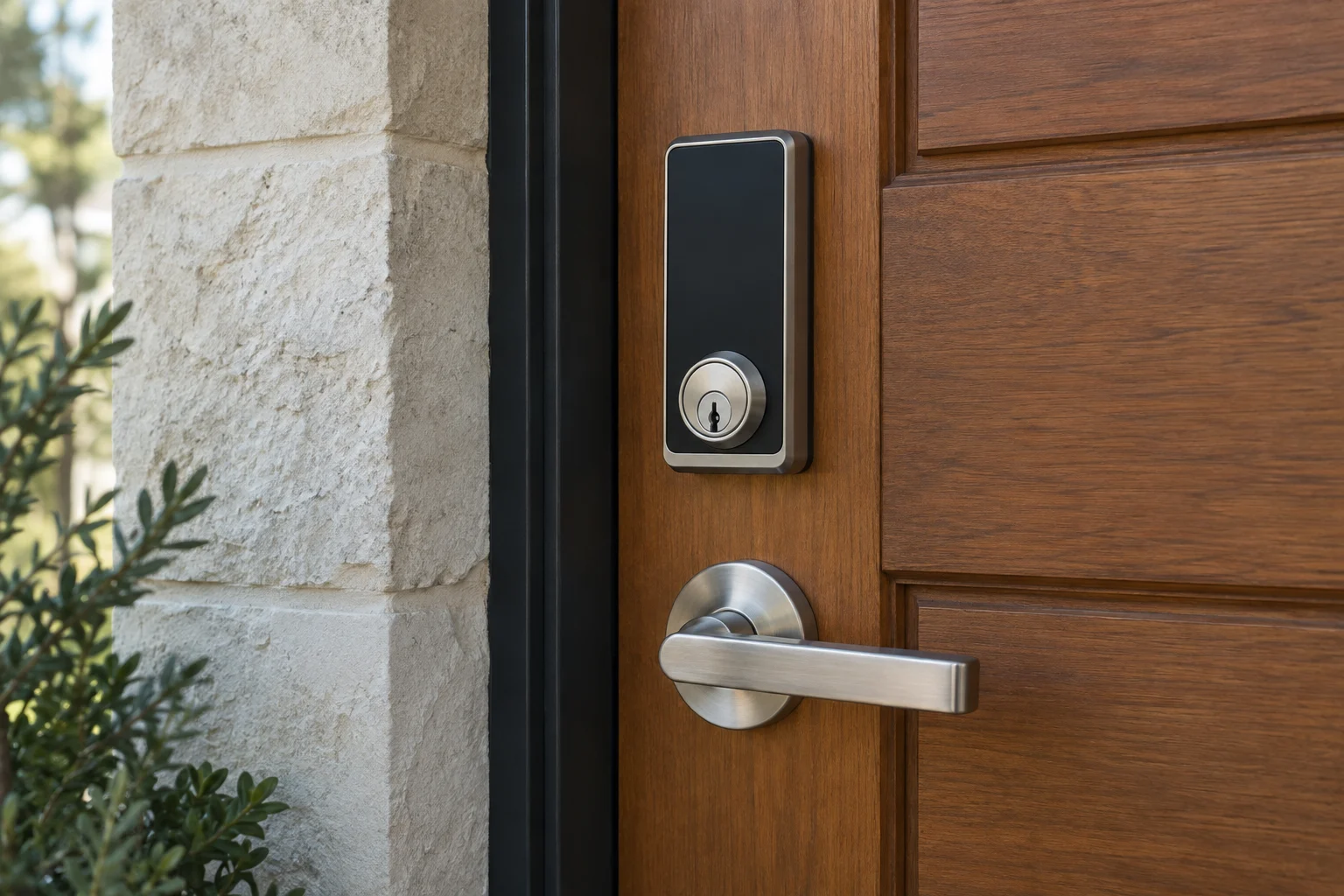
A black smart deadbolt and lever handle on a wood entry door.

A closer look at your locks.

Tell us which brand you have and what you'd like to change. We can discuss options for your door.

  • Allegion
  • AMSEC
  • Aqara
  • ASSA ABLOY
  • August
  • Baldwin
  • Chamberlain
  • dormakaba
  • Emtek
  • eufy
  • Gardall
  • Kwikset
  • Level
  • LiftMaster
  • Lockly
  • Medeco
  • Mul-T-Lock
  • Nuki
  • Schlage
  • SentrySafe
  • SwitchBot
  • Ultraloq
  • Yale
03

Plan and handoff

Plan the changeover

Have every affected door available, including the less-used back entrance. Gather existing working keys and decide how many new copies the household needs. Consider who needs a spare and where it will be kept. A key that remains inside the house cannot help the person locked outside it.

For a managed rental or condominium, obtain the appropriate permission before changing hardware or keying. The manager may control a building system or require a particular cylinder. We can discuss the lock work with the authorized person, but the service does not settle a tenancy or ownership dispute.

If other people will arrive while work is underway, tell them the keys are changing. Agree who will receive the new keys and how old keys will be removed from circulation. This is especially useful when a moving crew, cleaner or contractor is working at the same property.

A quote you can compare

Ask for the number of cylinders covered, the visit charge, included keys and any repair or hardware costs. State whether you can already enter the property. Opening a locked door, replacing a damaged cylinder and rekeying a working lock are different tasks, even if they happen during one appointment.

A useful written scope also identifies exceptions. If one lock cannot join the chosen key system, the quote should explain the alternative before it is changed. Keep the invoice and a simple list of which key operates which opening. You do not need an elaborate system for a house, just a record that makes sense when someone needs help later.

Check the result at every selected door

At handoff, test the new keys at the locks included in the job and confirm the prior keys no longer operate those rekeyed cylinders. Check normal locking and unlocking with the door closed as well as open. A smooth cylinder is only useful if the bolt also meets the strike correctly.

For a new spare without changing access, see key duplication. For app or keypad access, compare smart-lock installation. Call (512) 777-0021 to arrange the rekey, or return to the residential service guide if you are weighing several home lock changes.

From local customers.

4.9from 2,582 Google reviews

Common questions

Answers before you call.

Do I need the old key to rekey a lock?

A working key helps, but tell us if none is available. The lock type, access to the property and condition of the cylinder determine the options. Entry or additional disassembly may be a separate part of the quote.

Does rekeying fix a stiff deadbolt?

Not by itself. The stiffness may come from the key or cylinder, or from the bolt pressing against a misaligned strike. Explain the symptom so the quote includes the right assessment rather than assuming new keying will fix it.

Should I rekey after buying a home?

It is a reasonable way to control unknown existing copies when the locks are suitable. Inventory the doors and discuss hardware condition first. Include any keyed secondary entrance that would otherwise still accept an old key.

Can I keep my decorative handles?

Often the keying can change while the visible hardware stays. Compatibility and condition need checking, especially with older or uncommon locksets. If a replacement component is needed, discuss the finish and fit before approving it.

Mobile service

Across Austin. Along I-35.

We serve Travis, Williamson, Hays and Bastrop counties. Call with your exact address so dispatch can discuss current availability.

512 Locksmith dispatch

Talk through your doors and keys.

Tell us where you are and what needs attention. We can discuss current availability and the appropriate next step.

Call (512) 777-0021Explore residential locksmith services