
Business key plans

Master key systems in Austin

Give each person the access they need and keep the system understandable for whoever manages it next. A master-key project starts with a door-and-user plan, not a pile of cylinders.

14+ years serving Austin
2,500+ Google reviews 4.9/5
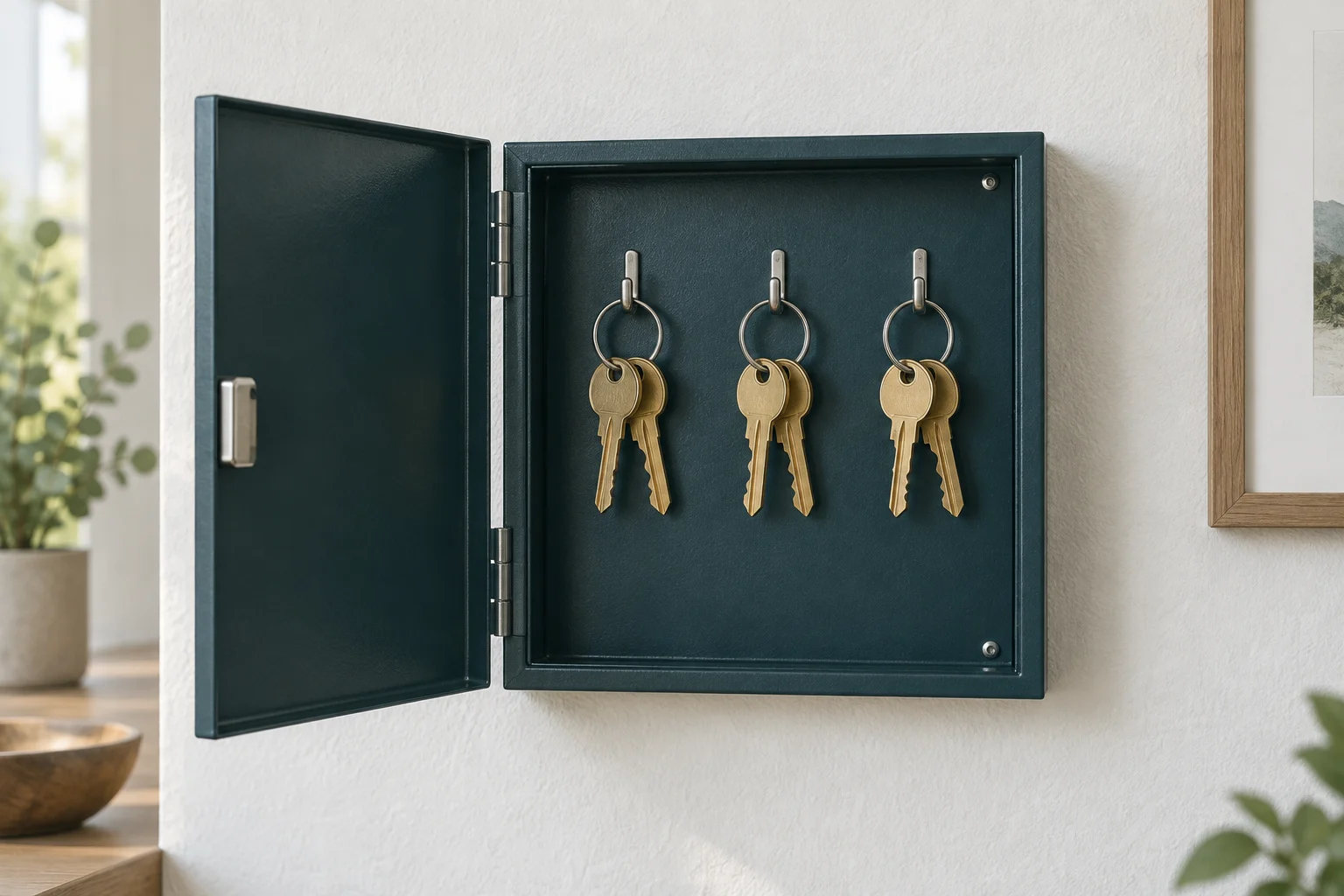
An open wall-mounted key cabinet holding three sets of keys.

Explore the services

Start with the work you need.

01

Access plan

Put the access plan on paper first

List the doors, then list the roles that need them. An office manager, a tenant, a cleaner and a maintenance contractor may need different access. A useful plan identifies those relationships before any keying changes, including rooms that should remain outside a broader master group.

512 Locksmith helps Austin businesses discuss mechanical key systems and the hardware they depend on. Bring the current key schedule if one exists. If the property has grown through several unrelated lock changes, say so. Understanding what is already installed is usually more valuable than assuming it can all be combined immediately.

An example role-to-door schedule

Use a door list to test the proposed hierarchy with the people who run the building. This example is a planning aid, not the access schedule for any actual property.

Example permissions to review before a key system is designed
RoleMain entranceOfficeStockroom
Office staffYesYesNo
Receiving staffYesNoYes
Site managerYesYesYes

A manager's broad access may call for a master key, but that decision should be deliberate. Mark shared doors, doors outside the system, and temporary contractor access before choosing key levels.

Key control is a separate product decision

Schlage's commercial key systems include options such as Primus and Everest families with different key-control arrangements. A master-key plan decides who can open which locks; a key-control product affects how keys and cylinders are supplied and managed. Neither name alone establishes compatibility with your existing cylinders. Identify the installed system and its authorized ordering process before planning one hierarchy.

A restricted key program is a different choice from the hierarchy itself. It sets rules for who may request additional keys and how the supplier verifies that authority. A “do not duplicate” stamp alone does not establish those rules. The available keyway, cylinder format, ordering rights and record owner need review before a protected program is proposed.

02

Keying and cylinders

Master keyed and keyed alike mean different things

Keyed-alike locks use the same key for the selected openings. A master-key system lets an individual or group key operate its assigned locks while a higher-level key operates additional locks within the planned hierarchy. Choose between them from the access schedule.

A small office may only need a few compatible locks keyed alike. A building with separate tenant or departmental access may need a hierarchy. More levels are not automatically better. Each additional privilege needs a reason, an authorized holder and a clear response if that key is lost.

Check what the cylinders can support

Compatibility depends on the existing cylinders and keyway families. Different hardware types can sometimes accept compatible cylinders, but a mixed set of locks cannot be assumed to share a system. Some openings may need a component change; others may be better left on a separate key for operational reasons.

Schlage's key-system information distinguishes open and restricted products and the role of key control. The same planning question applies regardless of brand: how are additional keys authorized and obtained? A master hierarchy defines which doors a key can open. It does not, by itself, prevent someone from obtaining an unauthorized copy.

Rekey selected doors or revise the hierarchy

A lost office key may expose only a small group of openings. A missing master key can reach every door assigned to its level and any subordinate groups it operates. Start with the key schedule, issued-key record and door inventory; check what the missing key could open before deciding the scope.

  • Partial change: Rekey affected cylinders and issue new keys when the exposure is limited and the remaining hierarchy can still be controlled.
  • Broader change: Rework more of the hierarchy when a high-level key is missing, copied or unaccounted for. Changing one door does not retire that key at the other doors it still opens.
  • Hardware change: Inspect worn or incompatible cylinders and lock bodies separately. A rekey changes mechanical keying; it does not repair a failed latch or make different core formats interchangeable.

For a scoped cylinder change, see commercial lock rekeying. Managers handling repeated turnovers can review property management rekeying. Where removable cores are already installed, interchangeable-core service covers format and control-key questions.

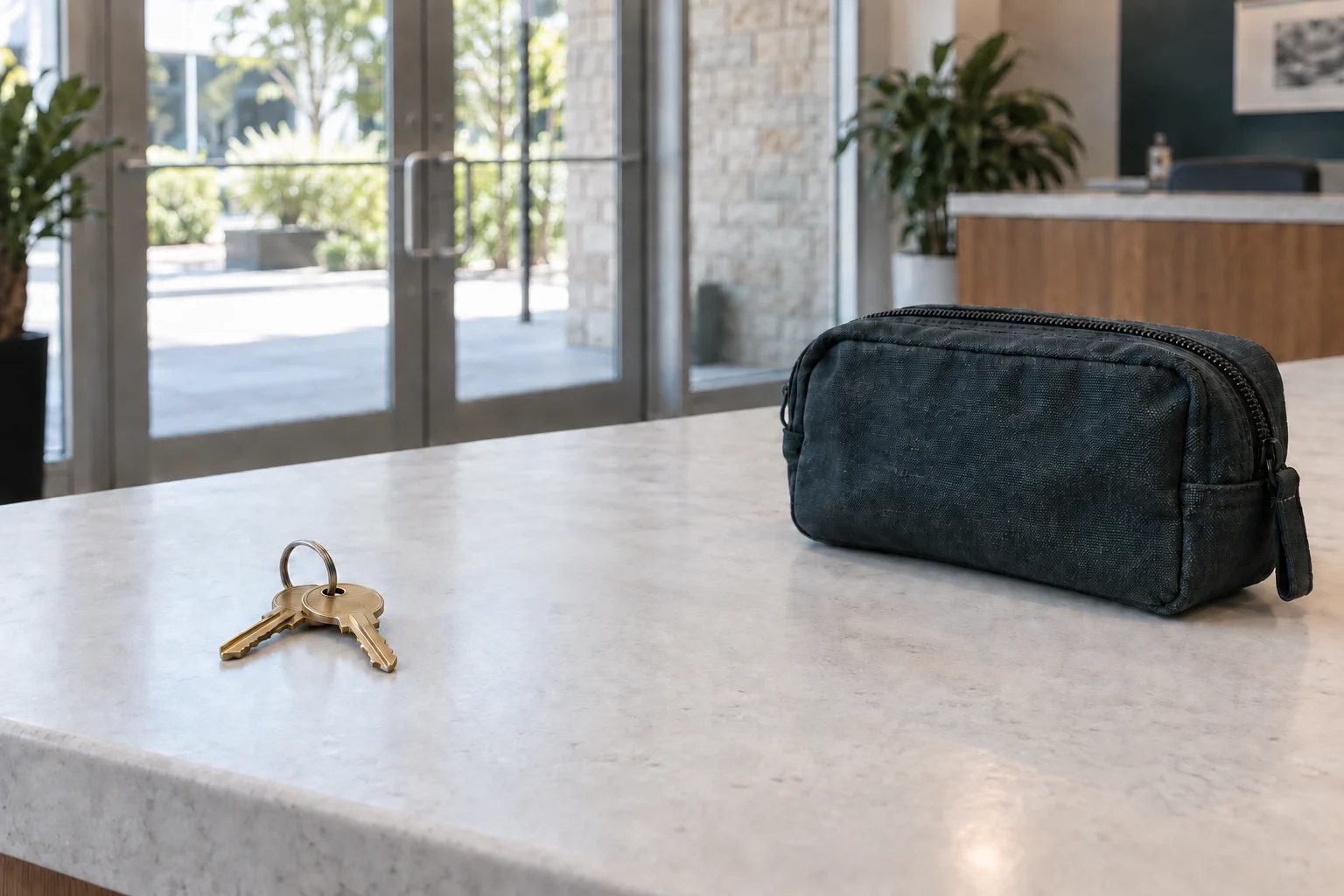
A key ring and tool bag on a lobby counter.

A closer look at your locks.

Tell us which brand you have and what you'd like to change. We can discuss options for your door.

  • Adams Rite
  • Alarm Lock
  • Allegion
  • AMSEC
  • ASSA ABLOY
  • Axis
  • Brivo
  • Corbin Russwin
  • dormakaba
  • Gardall
  • HES
  • HID
  • Kisi
  • LCN
  • LiftMaster
  • Medeco
  • Mul-T-Lock
  • Paxton
  • Salto
  • Sargent
  • Schlage
  • Securitron
  • SentrySafe
  • Suprema
  • Von Duprin
  • Yale
03

Records and change

Control the keys and the records

Name the person who can approve new keys and changes to the schedule. Keep a record of issued keys, returns and missing copies. Avoid labeling a key with enough information to identify both the property and the doors it operates if it is lost.

System records also need an owner. Agree on what documentation the business will receive, where it will be stored and how future service can refer to it. Sensitive keying information should not be left in a shared reception folder or sent to an unrelated contractor. The record should remain useful through a change of manager without becoming public access information.

Plan for change before it happens

A new tenant, an additional stockroom or a changed cleaning schedule can alter the access plan. Discuss likely expansion at the design stage rather than leaving every future change to a one-off rekey. The available system and cylinder choices affect what can be extended sensibly.

Loss of a high-level key deserves a different response from loss of a key to one limited area. Map the affected access before deciding which locks need attention. A replacement copy restores someone's ability to enter but does not revoke the missing key. That distinction should be understood by the people issuing and holding the keys.

Consider electronic access where permissions change often

A mechanical system can work well when access patterns are stable and key control is disciplined. Frequent staff changes, time-limited access or a need for event records may justify comparing electronic access control. That comparison should include administration, power, subscriptions and the door hardware, not only the price of a reader.

Some properties use both approaches: mechanical keys for certain rooms and electronic credentials at selected entrances. The right division follows the actual use of the building. Do not create a large master system just to avoid deciding how access should be managed.

04

Changeover and test

Quote the inventory and the changeover

A quote should identify the number of cylinders, compatibility work, key quantities, documentation and any access needed during the change. Restricted products or replacement components can affect lead time and future key-ordering arrangements. Ask how additions will be approved after the initial work.

Coordinate the changeover with the people using the doors. A receiving entrance, shared lobby or tenant space may need a staged plan so authorized users are not stranded between old and new keys. Tell dispatch about building access and the person responsible for approvals; this is especially useful when one manager oversees several Austin-area addresses.

Test permissions as well as operation

At handoff, the selected keys should be checked against the approved access schedule. It matters both that a key opens its intended door and that it does not receive an unintended level of access. Confirm smooth operation and identify any separate door or lock fault discovered during the work.

Call (512) 777-0021 to discuss the door inventory and access plan. For an immediate lost-key lockout, use office lockout help. Our commercial locksmith services connect key planning with door hardware and electronic options so the property can use a coherent access plan.

From local customers.

4.9from 2,582 Google reviews

Common questions

Answers before you call.

Can all my existing locks join one master system?

The cylinders, keyways and hardware need assessment. Some can be retained or adapted; others may require replacement or remain separate. Provide a door inventory and any existing key schedule before assuming universal compatibility.

Does a master key let us track who entered?

A mechanical key by itself does not create an electronic event record. If you need records or time-based permissions, discuss suitable electronic access. Even electronic logs need careful interpretation and are not proof that a particular person passed through alone.

What happens if a master key is lost?

Identify the doors it can operate and who is responsible for the response. Supplying another copy does not revoke the lost one. The appropriate rekey or system change depends on the access exposed and the property plan.

Can a restricted key be copied at any key cutter?

Restricted systems have specific authorization and supply arrangements. Ask how future copies will be requested, who may approve them and which provider can supply them. Choose the arrangement before the installation rather than discovering it during an urgent request.

Mobile service

Across Austin. Along I-35.

We serve Travis, Williamson, Hays and Bastrop counties. Call with your exact address so dispatch can discuss current availability.

512 Locksmith dispatch

Call with your doors and access plan.

Tell us where you are and what needs attention. We can discuss current availability and the appropriate next step.

Call (512) 777-0021Explore Commercial locksmith