
Commercial key changes

Commercial lock rekeying in Austin

A missing business key can affect one office or an entire building. Tell us which doors it opens, who still needs access and who can authorize the change.

14+ years serving Austin
2,500+ Google reviews 4.9/5
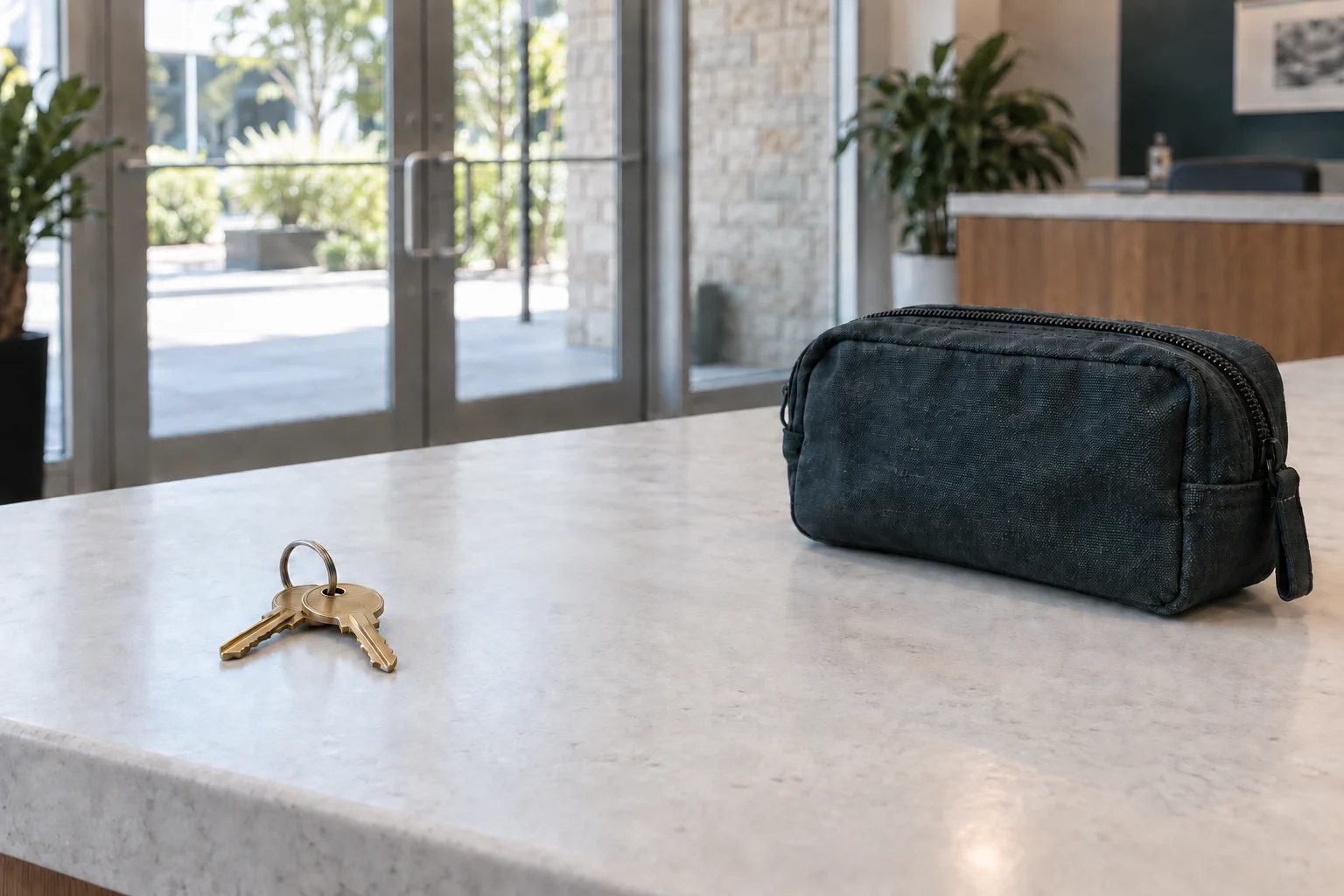
Keys and a service kit on a business reception counter
01

The decision

When the business key plan needs to change

A departing employee did not return a key. A contractor had access to the stockroom. The shop changed tenants and nobody can say how many copies are circulating. Each situation calls for a door list before it calls for a part number. We rekey commercial locks when the installed cylinders can support the needed change, and handle related lock and door hardware when they cannot.

Start with the key whose control changed. Which exterior personnel doors, receiving entrances, office doors and interior rooms can it operate? A lost key to one limited office has a different reach from a missing master key. If you have a key schedule, bring it. If you do not, mark the doors that users believe share a key and let the opening assessment test that assumption.

What a rekey changes

On a suitable mechanical cylinder, a rekey changes its internal keying so a different key operates it. The lock body, latch and door usually remain, provided they are sound and the cylinder can be serviced in the intended system. Rekeying does not retrieve the missing key, repair a bent door, or erase an electronic credential. The old key's effect on other openings must be assessed separately.

Replacing a complete lock may be unnecessary when a compatible cylinder is in good condition. It may be the right course when hardware is worn, damaged, unsupported, differently prepared or cannot meet the proposed key plan. For a closer look at that choice, see when to rekey or change a lock.

02

At the opening

Assess each cylinder and lock body

A storefront cylinder, an office cylindrical lock and a receiving-door device can have different keyed components even on the same site. For example, Schlage's ND cylindrical lock and L mortise lock are different lock bodies. An Adams Rite 4510 storefront deadlatch specifies a mortise cylinder with an MS cam; its 4036 cylinder is one documented pairing. These examples show why the installed lock function and door preparation matter more than a brand name on a key.

Identify any readable manufacturer or model markings, but do not dismantle hardware to find them. The technician should check the cylinder format, keyway, cam or tailpiece where applicable, lock function, door condition and the property's existing key groups before proposing a compatible change.

A cylinder is the keyed part of a lock; the lock body is the mechanism around it. A rekey of the cylinder will not correct a failed latch or misaligned closer. Fire-rated and egress openings also need the right hardware and listing review for the specific door. The scope should make those distinctions visible.

Make one inventory for the affected openings

Give each door a label such as “Suite 214 front,” “Receiving A” or “Stockroom C.” Record the known cylinder or lock type, current key group, people who need access after the change, visible hardware problems and the person who approves work. Unknown is a useful entry. It tells us what needs inspection rather than turning a guess into a quote.

For several doors, identify shared entrances and any openings controlled by a landlord or building manager. A business tenant may control its suite but not a lobby cylinder. A short list with door photos or markings can help the initial discussion, while the site visit confirms fit and condition. Request service or call dispatch with the address and authorized contact.

When to replace or redesign the keys

Rekeying is one response to a key-control problem, not a complete policy. If several people need different access levels, a master-key plan may be more useful than simply keying every door alike. If staff turnover is frequent, ask who keeps records of issued keys and returns. A “do not duplicate” stamp alone does not control who can obtain another copy.

Where compatible, an interchangeable-core system can support planned core changes, but the format and housing must be verified. A damaged lock body still needs separate attention. The quote should say which existing parts stay, which change and how many keys are included.

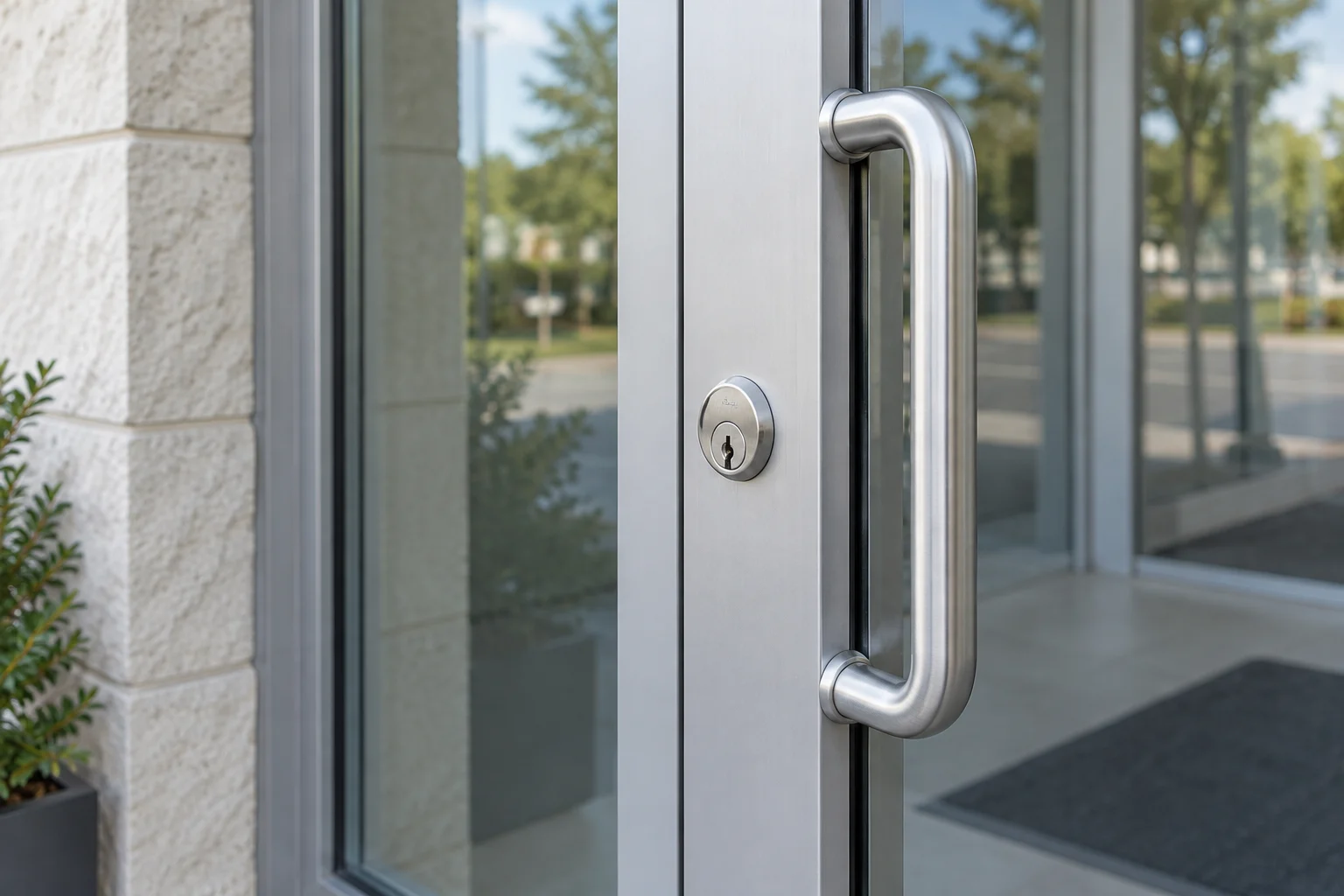
Commercial glass door with a keyed cylinder

A closer look at your locks.

Tell us which brand you have and what you'd like to change. We can discuss options for your door.

  • Adams Rite
  • Alarm Lock
  • Medeco
  • Sargent
  • Schlage
03

Access and handoff

Mechanical keys and electronic access are separate

A conventional rekey addresses a mechanical key. A keypad or managed credential changes a different part of access. For example, the Alarm Lock Trilogy DL2700 is a standalone PIN lock whose local codes can be changed at the door. A standalone DL2700 does not offer remote administration. The Schlage NDE is a managed credential example; its offline, periodic Wi-Fi and networked configurations have different administration and sync behavior. Before choosing either route, match the actual door and the business's administration needs.

Before considering an electronic change, identify the system administrator, supported credential type, power and software arrangements, and the access needed during an outage. A keypad code or badge can be removed from the relevant system, subject to its configuration and update cycle. Any mechanical override cylinder still has a physical key plan. Revoking a badge does not make a missing override key stop working. Likewise, rekeying a cylinder does not revoke a code. A mixed opening may need both actions, with the work assigned to the right system owner.

Industrial and warehouse openings need their own door list

A personnel entrance, receiving door and interior cage may have different users, hardware and safety requirements. Identify each opening's purpose and shift pattern. A key change at the personnel door will not necessarily address a roll-up door, gate or electronic access point. Tell us about site check-in, loading schedules and any shared property entrance before the work is scoped.

Plan the quote and handoff

Ask for a scope that separates inspection, rekeyable cylinders, replacement hardware, new keys and any follow-up door repair. Arrange a work window so authorized users can move through the site, and decide who receives the new keys. At handoff, check operation at the selected doors and record what still needs attention. We serve Austin, the I-35 corridor and communities east toward Bastrop across Travis, Williamson, Hays and Bastrop counties. Dispatch can confirm availability for the exact address. See pricing information for how service costs are discussed, or commercial services for other door needs.

From local customers.

4.9from 2,582 Google reviews

Common questions

Answers before you call.

Can every commercial lock be rekeyed?

No. The cylinder format, keyway, condition and intended key system need inspection. Damaged, unsupported or incompatible hardware may require a component or complete lock replacement.

Does rekeying replace the whole lock?

A suitable cylinder can be rekeyed while the sound lock body remains. If the latch, door or other hardware has a fault, that work needs a separate assessment.

What should we prepare for several doors?

List each opening, known hardware, current key groups, people who need access, visible damage and the authorized approver. Include shared doors controlled by building management.

Will rekeying disable a keypad code or badge?

No. Mechanical keys and electronic credentials are separate. The authorized system administrator must address codes or credentials in the installed system, and a mechanical override key may still need its own rekey.

Mobile service

Across Austin. Along I-35.

We serve Travis, Williamson, Hays and Bastrop counties. Call with your exact address so dispatch can discuss current availability.

512 Locksmith dispatch

Call with the doors and keys that need attention.

Tell us where you are and what needs attention. We can discuss current availability and the appropriate next step.

Call (512) 777-0021Explore commercial locksmith services