

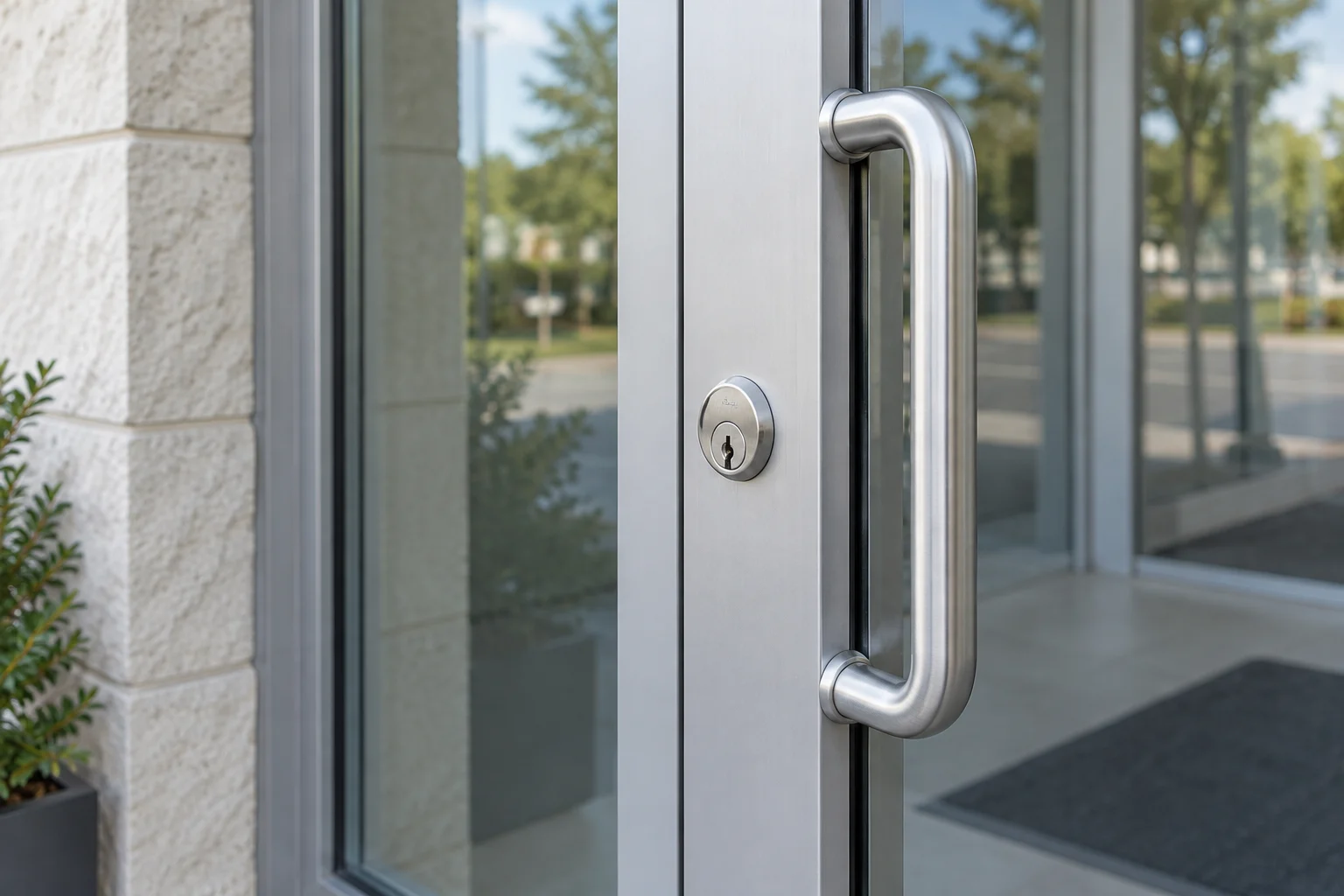
A locksmith request might be an urgent lockout or a planned change to who can enter a building. The useful starting point is the problem: a lost key, damaged hardware, an access change or a vehicle that will not recognize its key. The service and equipment needed follow from that.
In this guide
- 01Residential and commercial hardware services
- 02Lock installation and repair
- 03Rekeying existing locks
- 04Commercial access control
- 05Automotive keys and ignitions
- 06Safe and specialty lock services
- 07Emergency door repairs and security upgrades
- 08What to ask before scheduling service
- 09Cameras and other specialty requests
- 10How to compare providers
Residential and commercial hardware services
Whether you manage an office building or own a home, door hardware requires occasional maintenance, repair, and upgrading. When a lock stops working, a technician evaluates the entire door assembly. The problem might be a worn cylinder, a broken tailpiece, or a misaligned strike plate caused by foundation shifting.
For a home lockout, the technician needs to establish authorized access and assess the lock. Ask about the proposed method and any likely damage or replacement before work starts. A particular entry outcome cannot be promised from the phone description alone.
Commercial lock rekeying workspace
Lock installation and repair
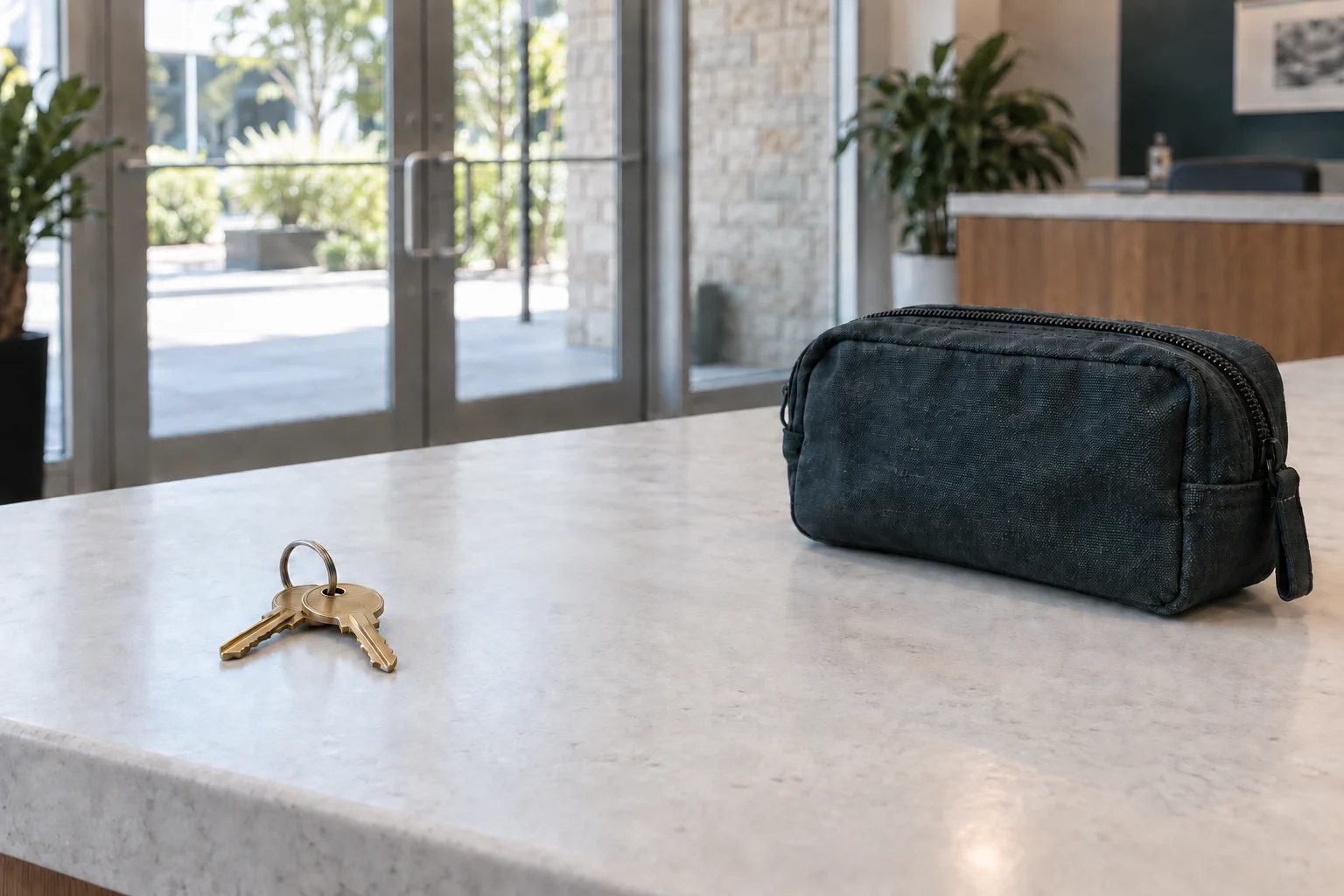
Installing new hardware requires precise door preparation. If the crossbore or latch hole is slightly misaligned, the deadbolt will bind, causing premature wear and making the door difficult to secure. Technicians carry specialized jigs and hole saws to prep blank doors or modify existing holes to accept modern locksets.
When replacing hardware, compare door fit, inside operation, key control and the security characteristics of the actual product. A keyed deadbolt, keypad and connected smart lock solve different access needs. Electronic options still need a backup and maintenance plan.
Rekeying existing locks
If you lose a key or move into a new property, you do not necessarily need to buy new locks. Lock rekeying involves disassembling the existing cylinder and replacing the internal pins to match a brand new key. This renders any old keys useless. Rekeying is generally more practical than replacing the entire lock housing, provided the current hardware functions smoothly.
Commercial access control
Businesses often require more complex access management than a standard mechanical key. Access control systems allow a facility manager to restrict certain doors to specific personnel.
An access system may combine readers, credentials, controllers and locking hardware. The installation scope can include wiring and software as well as the door. Ask who will administer users, what happens if power or connectivity fails, and which work the provider is qualified and equipped to handle.
Automotive keys and ignitions
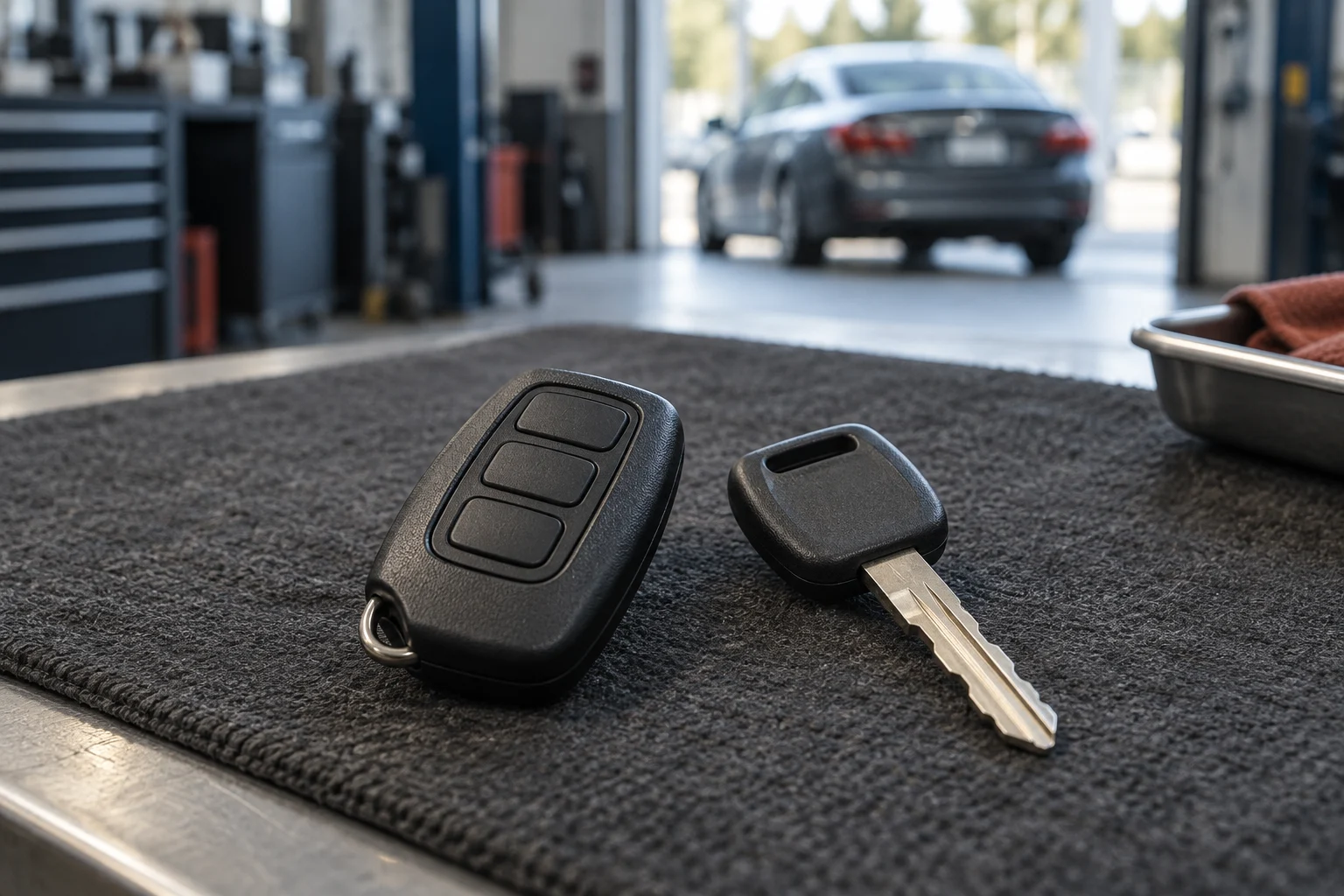
For a vehicle, provide the year, make, model and whether a working key remains. A mobile provider may be able to make a replacement at the vehicle, but support depends on the system and required equipment. Confirm it before arranging a visit or buying a key.
For transponder keys and proximity fobs, cutting and electronic pairing can be separate parts of the job. Procedures vary by vehicle; not every key uses the same programming method. Ask how lost keys will be handled and which functions will be tested afterward.
If a key will not turn, describe whether a spare works and whether the door locks operate normally. The cylinder, key or steering lock may be involved. An engine that will not start can have causes outside locksmith work and may need a vehicle repair shop.
Vehicle key service
Safe and specialty lock services
Safe and mailbox requests need their own checks. For a mailbox, establish who owns and maintains the unit before arranging access. Customer compartment hardware and postal carrier access are different responsibilities. For a safe, have the brand, model and ownership information ready.
A safe's construction, lock and fault affect the available methods. Ask about specialist capability, possible damage and follow-up repair. Opening a safe does not automatically return it to its original protection level, and a no-damage result cannot be guaranteed.
Emergency door repairs and security upgrades
Following a break-in, the priority shifts from simply changing the locks to securing the entire entryway. Burglars often use heavy physical force, which splinters wooden door frames and bends metal strike plates. A professional technician evaluates the structural integrity of the door jamb before installing new hardware.
Any reinforcement should suit the door, frame and required function. Ask whether the proposal is a temporary securing measure or a lasting repair, which parts it includes and whether other work remains. Avoid choosing hardware solely because a generic guide recommends a longer screw or larger plate.
What to ask before scheduling service
When you call for service, ask the dispatcher to explain their fee structure. Confirm whether they charge a separate service call fee just to arrive at the location, plus labor and parts. Describe your specific lock brand or vehicle model so they can verify they carry the correct replacement components.
If you need hardware repaired or a new key generated, contact 512 Locksmith at (512) 777-0021 to discuss your situation and arrange an evaluation.
Book the provider for the actual job
A lockout, rekey and door repair call for different scopes.
- Reported issue
- Scope check
- Authorization
Further reading: Texas Department of Public Safety: Texas DPS private security program
Choose by the job in front of you
Key access changed
Ask if rekeying a sound cylinder is enough.
Opening damaged
Assess lock, strike and frame together.
Electronic system
Confirm model support and account handover.
Cameras and other specialty requests
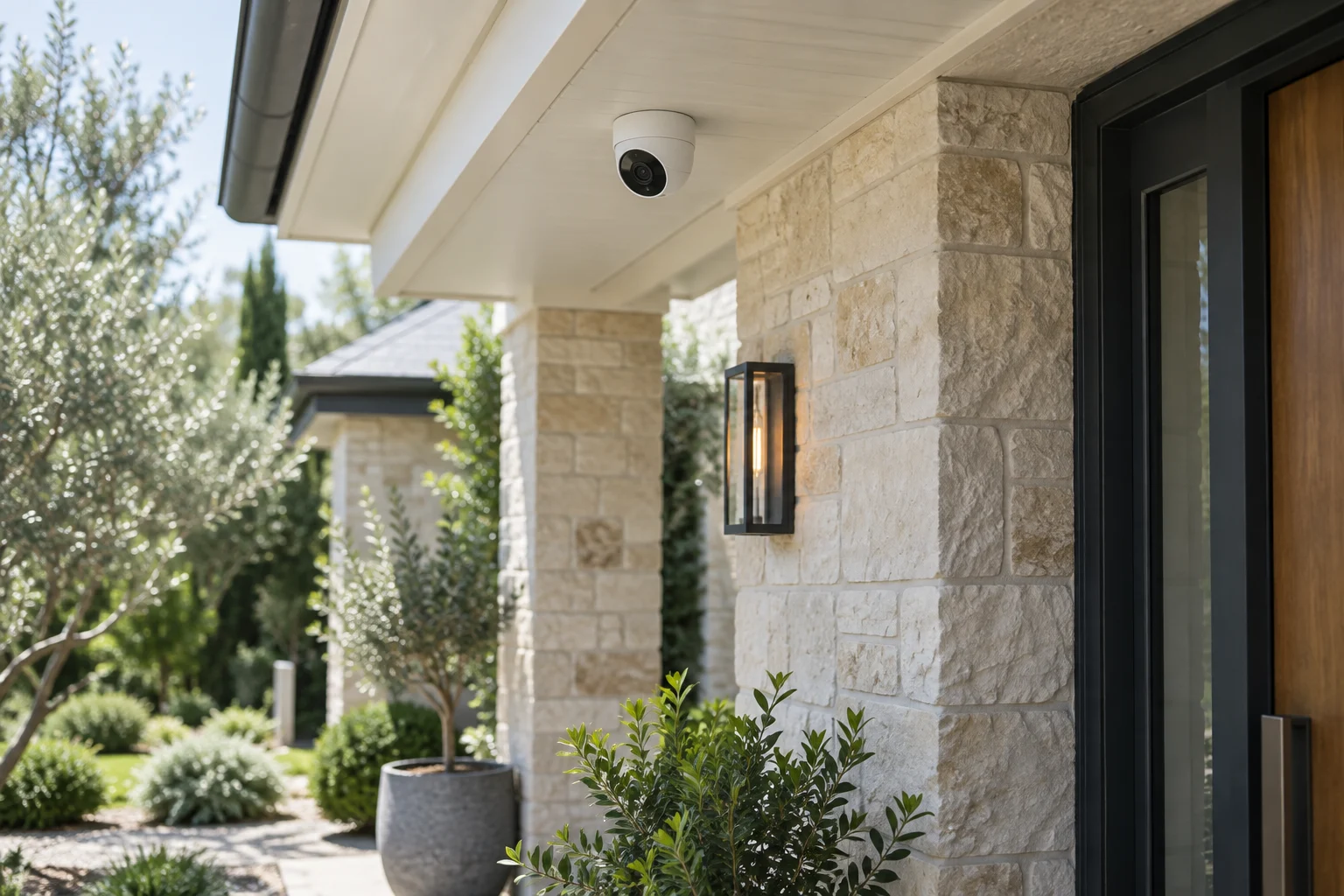
Some providers also handle cameras or electronic security equipment. Confirm capability for the actual system before booking. Camera coverage, recording and account access require a separate plan; a locksmith license alone is not a promise that every security product is supported.
Ask about specialty work
How to compare providers
Check the business identity, current license and proposed scope. Ask for an itemized quote and confirm who will carry out the work. A useful explanation of the problem is more informative than a promise to handle every lock instantly.
Sources and further reading
- Texas DPS private security programTexas Department of Public Safety