

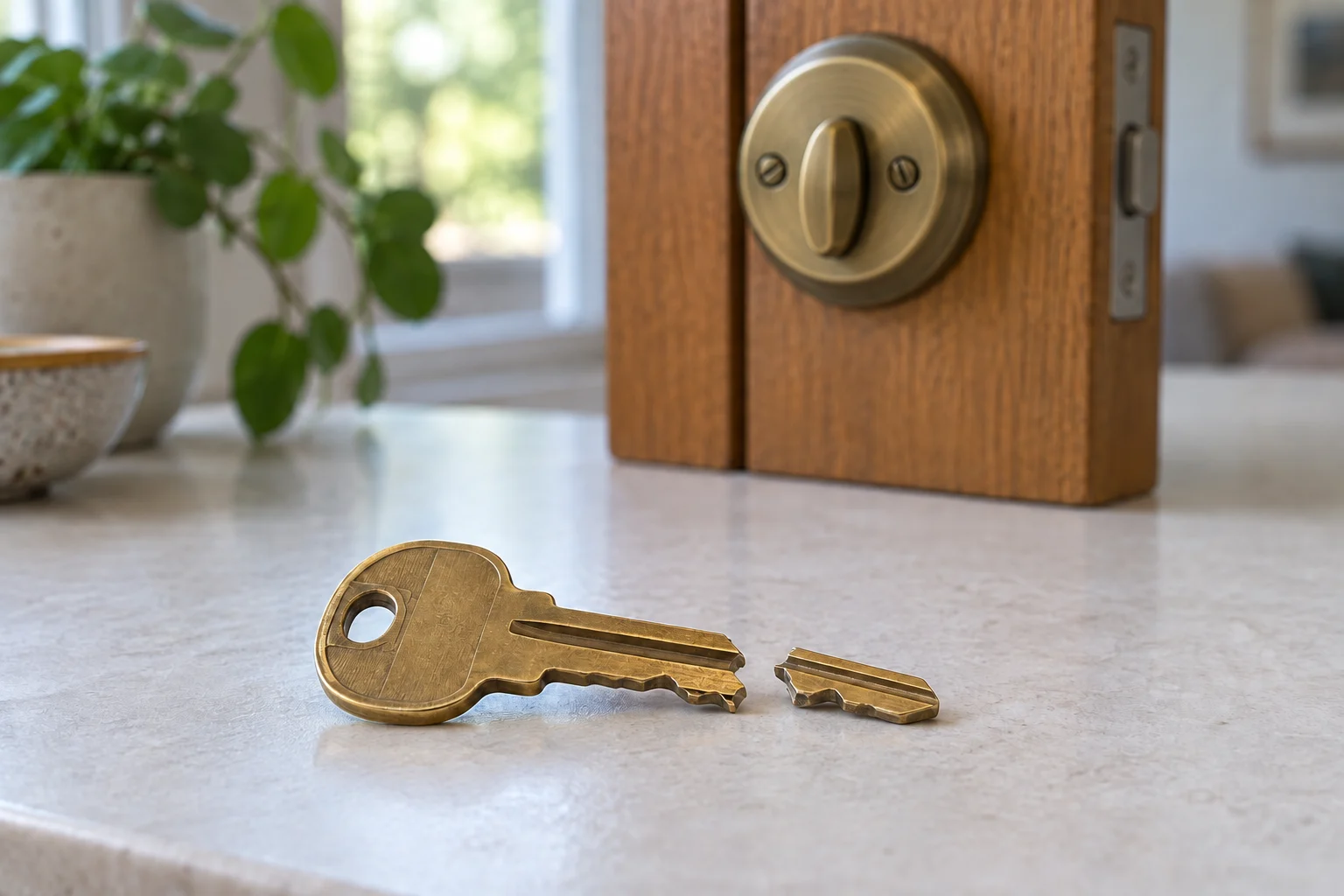
If a key will not come out, stop pulling hard. Keep the door open if it is already open and you can do so safely. A trapped key may be worn, bent or under pressure from the door; the symptom alone does not tell you which part needs repair.
In this guide
What causes keys to get stuck
Understanding the mechanical cause helps you choose the right approach. Several factors can trap a key inside a lock cylinder:
- Worn keys: Over time, the cuts on a metal key wear down, allowing it to snag on the internal pins.
- Lock wear: Internal components can shift over years of use and grab the key unpredictably.
- Dirt and debris: Grit builds up inside locks, especially on exterior doors exposed to the elements.
- Corrosion: Humidity and weather changes can cause internal components to oxidize and bind.
- Incorrect key: A similar but incorrect key might partially engage the pins and refuse to release.
- Bent metal: Even slight bends in the key blade create uneven pressure inside the cylinder.
- Misaligned doors: A sagging door puts structural pressure on the lock mechanism and the latch.
- Cylinder position: Some locks release the key only in a particular position. That position is not always vertical; check the lock instructions.
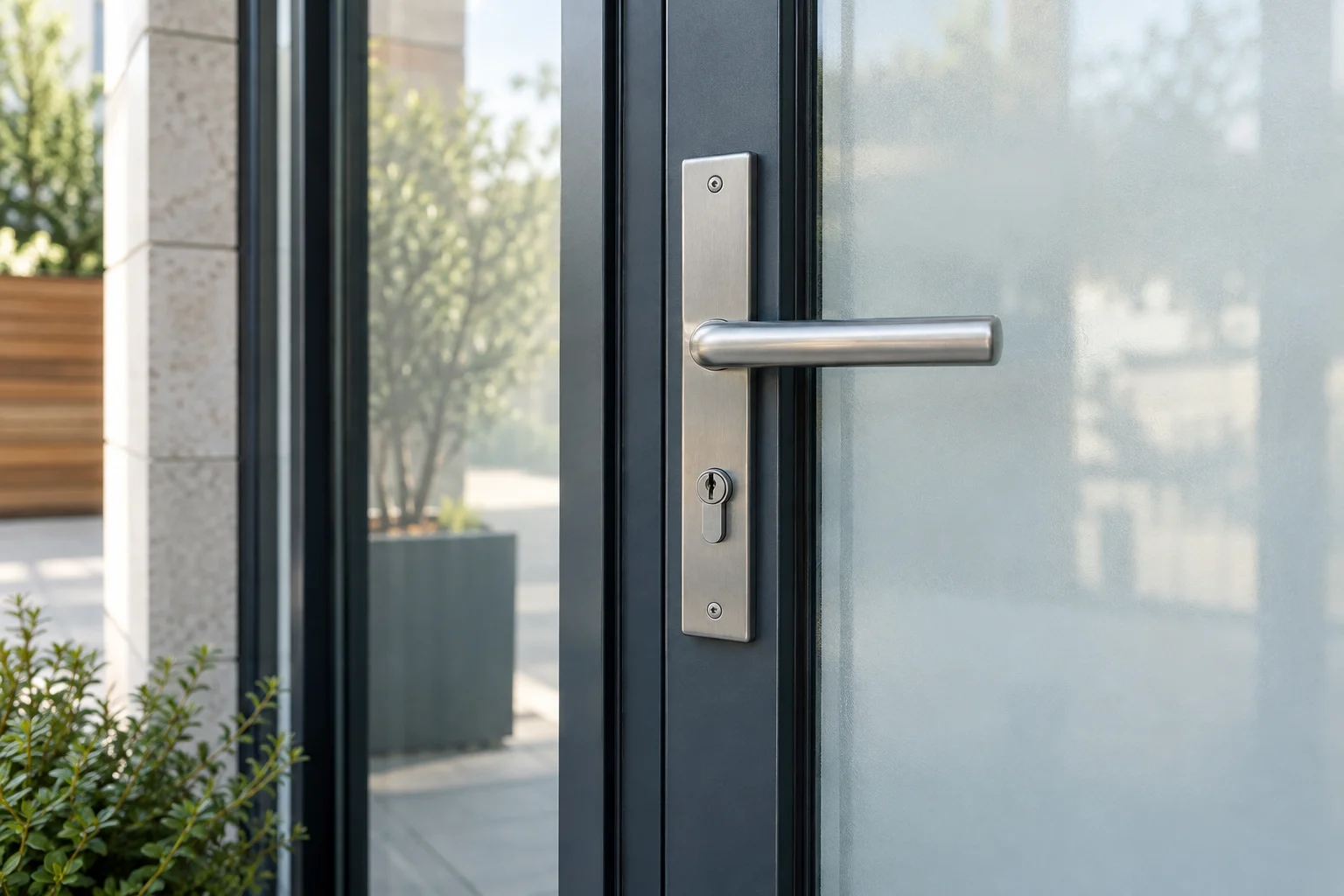
Close view of a keyed lock cylinder
Mistakes that make the problem worse
Common reactions often turn a minor inconvenience into a costly repair. Pulling or twisting hard can snap the key or damage the cylinder. Stop if normal light operation is not working.
Do not pour or spray a product into the cylinder just because it is sold as a general lubricant. Follow the care instructions for the exact lock. Avoid pliers, screwdrivers and improvised pry tools; extra grip makes it easy to apply more force than the key can tolerate.
A stuck key is a stop signal
More force can change a small fault into a broken key.
- Key head
- Fragment
- Stop point
Further reading: Schlage Commercial: Schlage Everest 29 SL service manual
Safe methods to remove a stuck key
Limit your checks to normal, gentle operation. If they do not work, leave the key in place for an assessment.
Check the normal removal position
Check whether the key is in the normal position for removal on that model. Do not force it toward a position shown for a different lock. If it comes out but the problem repeats, use a sound spare where available and have the key and cylinder checked.
Applying proper lubrication
Check the manufacturer's care instructions before applying anything. Some cylinders need a specific product, and electronic or vehicle hardware may have different restrictions. If you cannot identify the lock or approved treatment, ask the provider before adding lubricant.
Addressing door alignment
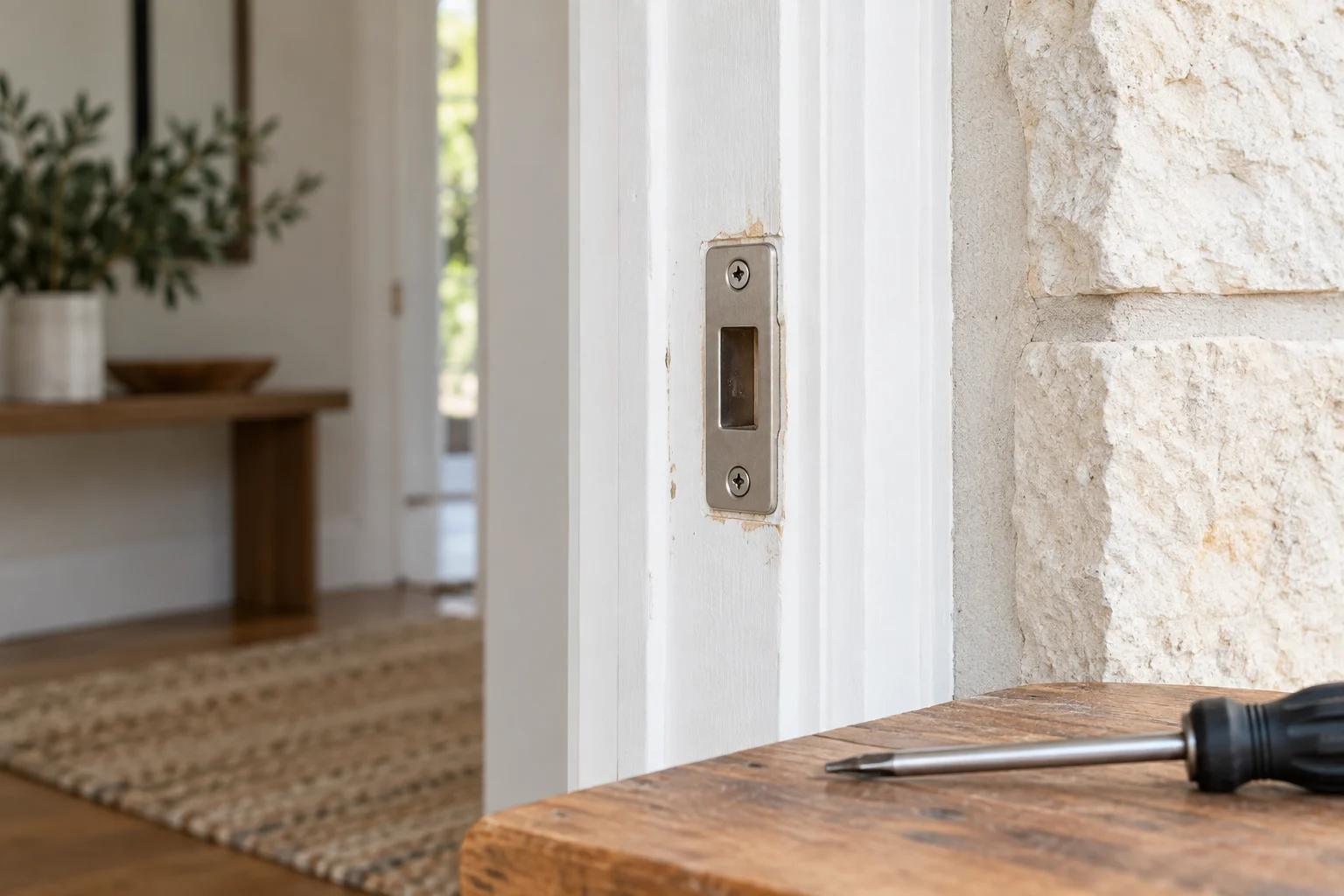
Sometimes the key is trapped because the door itself is binding the deadbolt. If the door sags or the weatherstripping puts pressure on the lock, notice whether ordinary light movement of the door changes the resistance. Do not lift, kick or force it. Report the difference to the technician; alignment is one possibility, not a diagnosis you can make from this symptom alone.
Before the key breaks
Stop
Do not pull or twist harder when ordinary movement fails.
Observe
Note how far the key enters and whether the door is under pressure.
Call
Describe the symptom and leave the lock undisturbed for assessment.
Check the door fit
Handling a broken key
If the key snaps, stop trying to turn or remove the fragment. Tell the provider whether any metal remains visible and keep the broken piece you have. Improvised tools can push the fragment farther in or damage the cylinder.
If the key breaks off flush with the lock face or deep inside the cylinder, stop immediately. Do not try to pick it out with paperclips or push it entirely through the cylinder. A technician can assess the appropriate key extraction method and explain whether the cylinder may need repair.
Dealing with a stuck car ignition
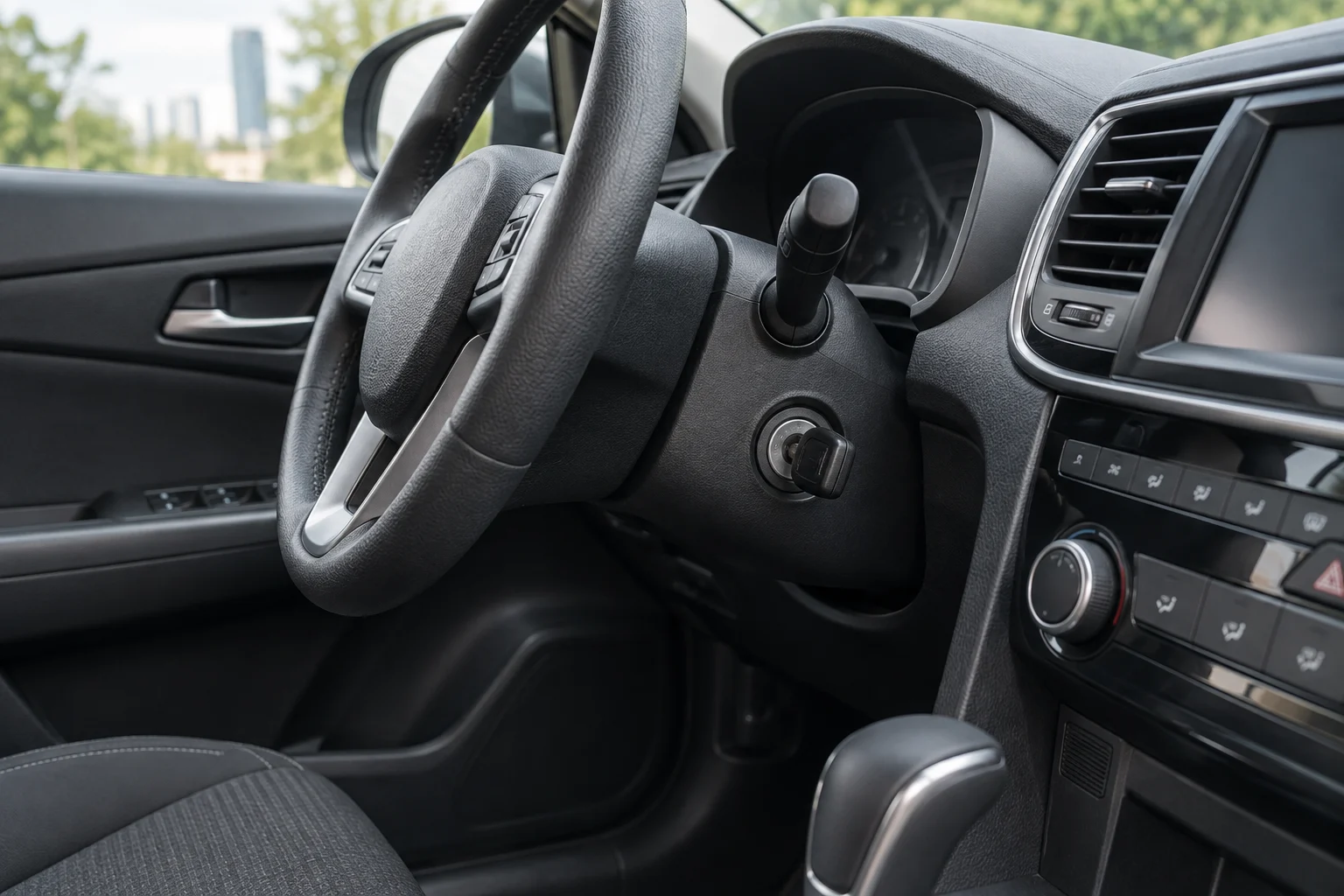
Car ignitions feature complex electronic and mechanical systems that differ entirely from residential doors. Before assuming the lock is broken, check the vehicle systems. The steering wheel lock often binds the ignition cylinder. Follow the owner manual for the normal key-removal procedure, gear position and steering-lock instructions. Keep the vehicle secured against movement. Do not use instructions for a different model or shift a manual vehicle into Neutral as a general troubleshooting step.
If the key remains stuck, do not apply force. Ignition cylinder repairs require specific teardowns and often involve anti-theft transponder rings. If the normal procedure does not release it, ask an automotive locksmith or repair provider which assessment is appropriate for your vehicle.
A stuck car key
When to stop and call a professional
Certain situations require professional tools and diagnostics. Stop your DIY attempts if the key has broken off inside the cylinder or if your efforts have not worked after a few gentle tries. High-security locks and electronic smart locks contain complex internal components that break easily under pressure. Forcing an ignition key can make the repair more involved.
A locksmith can evaluate the cylinder, select an extraction method and assess whether the lock needs repair or replacement. The final quote will depend on the type of lock, whether the cylinder must be removed from the door, the time of day, and whether a replacement key or new lock hardware must be generated on site.
If you are stranded with a stuck key, call 512 Locksmith at (512) 777-0021 or visit our contact page for assistance across Austin and Central Texas.
Sources and further reading
- Schlage Everest 29 SL service manualSchlage Commercial