

A difficult lock does not always need replacing. Sometimes the right job is rekeying, a door adjustment or a targeted repair. These nine situations are reasons to review the opening and choose the work that solves the actual problem without rushing into a full hardware replacement.
Start with what changed: who has a key, how the lock operates, visible damage or the entry features you need. Age and appearance alone do not establish suitability. Ask what the proposed work solves and what remains outside its scope.
In this guide
- 011. you just moved in
- 022. the mechanism is difficult to operate
- 033. the hardware has visible rust
- 044. the lock suffered physical damage
- 055. you lost your keys
- 066. the style is outdated
- 077. the current locks are low quality
- 088. you want keyless entry
- 099. the door alignment has shifted
- 10Professional lock review and replacement
- 11Questions about evaluating door locks
1. you just moved in
Ask who may still have a key after a move. Previous tenants, contractors, real estate agents or neighbors might hold copies you do not know about. If the hardware is sound and functions well, rekeying changes the internal pins so old keys no longer work. This provides new access without replacing the entire lock body.
Check ownership or landlord arrangements before authorizing changes. A managed building often requires specific hardware or master key compatibility. Compare the quoted work for rekeying against a full replacement rather than assuming one option always costs less. Sometimes combining a rekey with a hardware upgrade on the most heavily used door makes sense, while leaving secondary doors with their original hardware.
2. the mechanism is difficult to operate
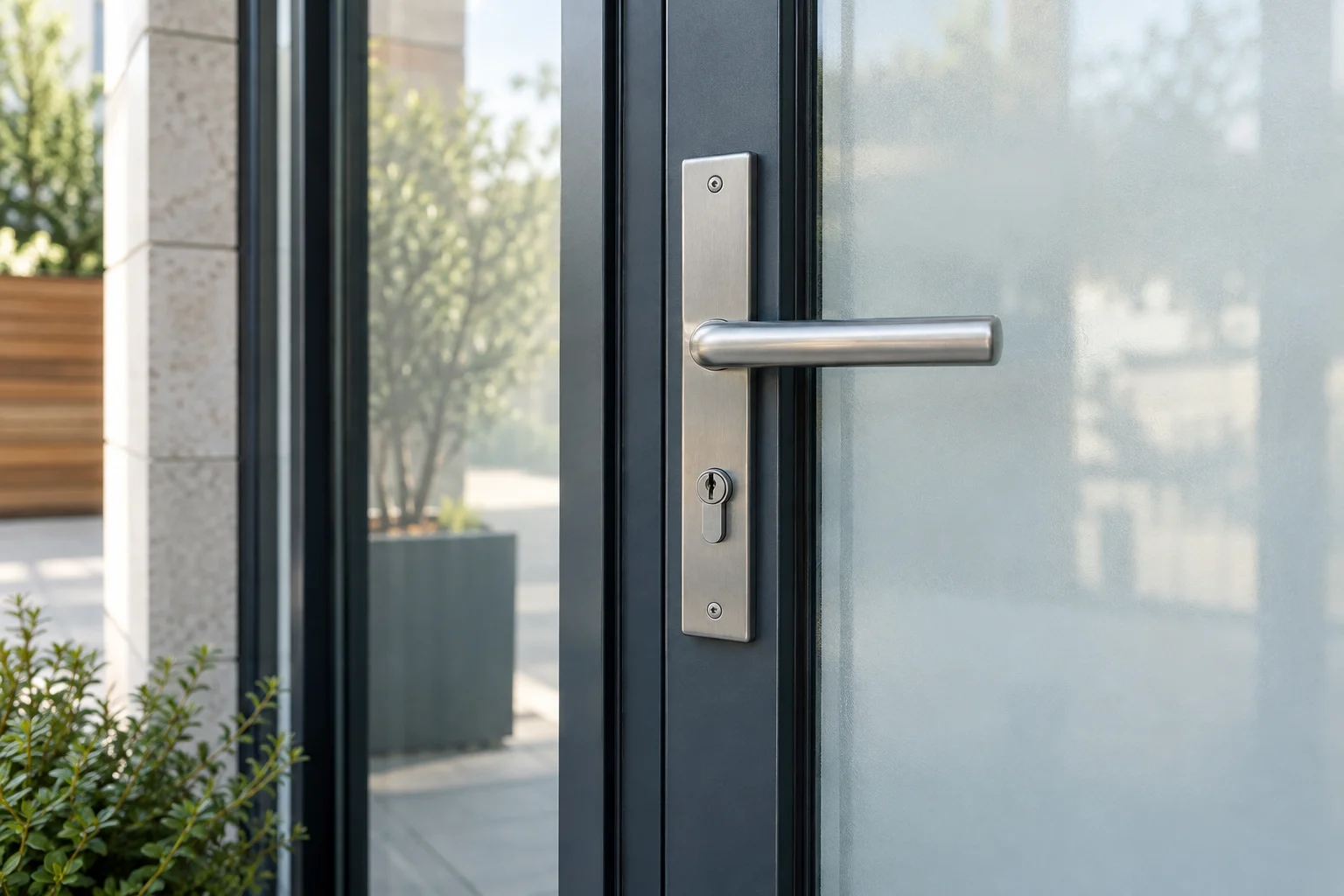
A change in how a lock operates is worth checking immediately. A worn key, a damaged cylinder or a door alignment problem can make the key difficult to turn. Stop forcing it. Applying excessive pressure can snap the key inside the plug, creating a completely locked out situation.
To isolate the issue, test the lock with the door open. If the key turns smoothly when the door is open but binds when closed, the problem is likely frame alignment or a shifting strike plate. If it binds while open, the cylinder or latch mechanism may need maintenance, lubrication with manufacturer approved products, or repair.
A stiff cylinder
3. the hardware has visible rust
Corrosion or a damaged finish deserves a closer look, but a surface mark does not prove that internal parts have failed. Exterior locks face weather, humidity and temperature changes that degrade clear coats and plating over time.
Have the condition assessed before choosing cleaning, repair or replacement. Surface damage does not establish the state of the cylinder or latch, and severe corrosion can affect more than appearance. Use the manufacturer's care instructions.
4. the lock suffered physical damage
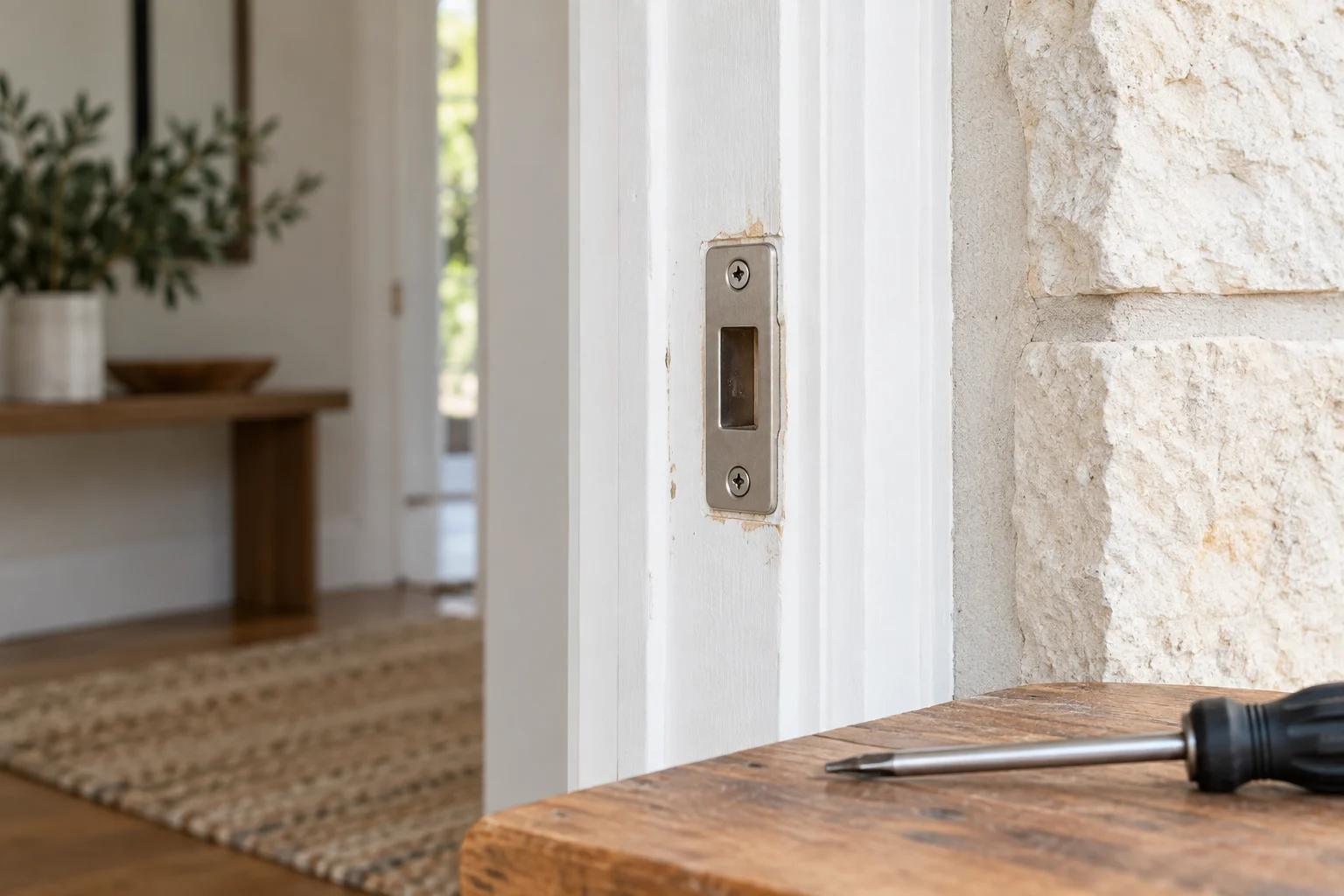
After attempted forced entry, have the lock, strike and frame assessed once it is safe and any police instructions allow work. A door may close while its fixing points remain compromised. The strike plate area on the wooden frame often splits during an impact, weakening the primary anchoring point.
Ask whether the proposed work is temporary securing or a lasting repair. Damaged bolts, mounting points and frames need appropriate assessment; replacing one part does not automatically restore the complete opening.
Interior deadbolt above a lever handle
5. you lost your keys
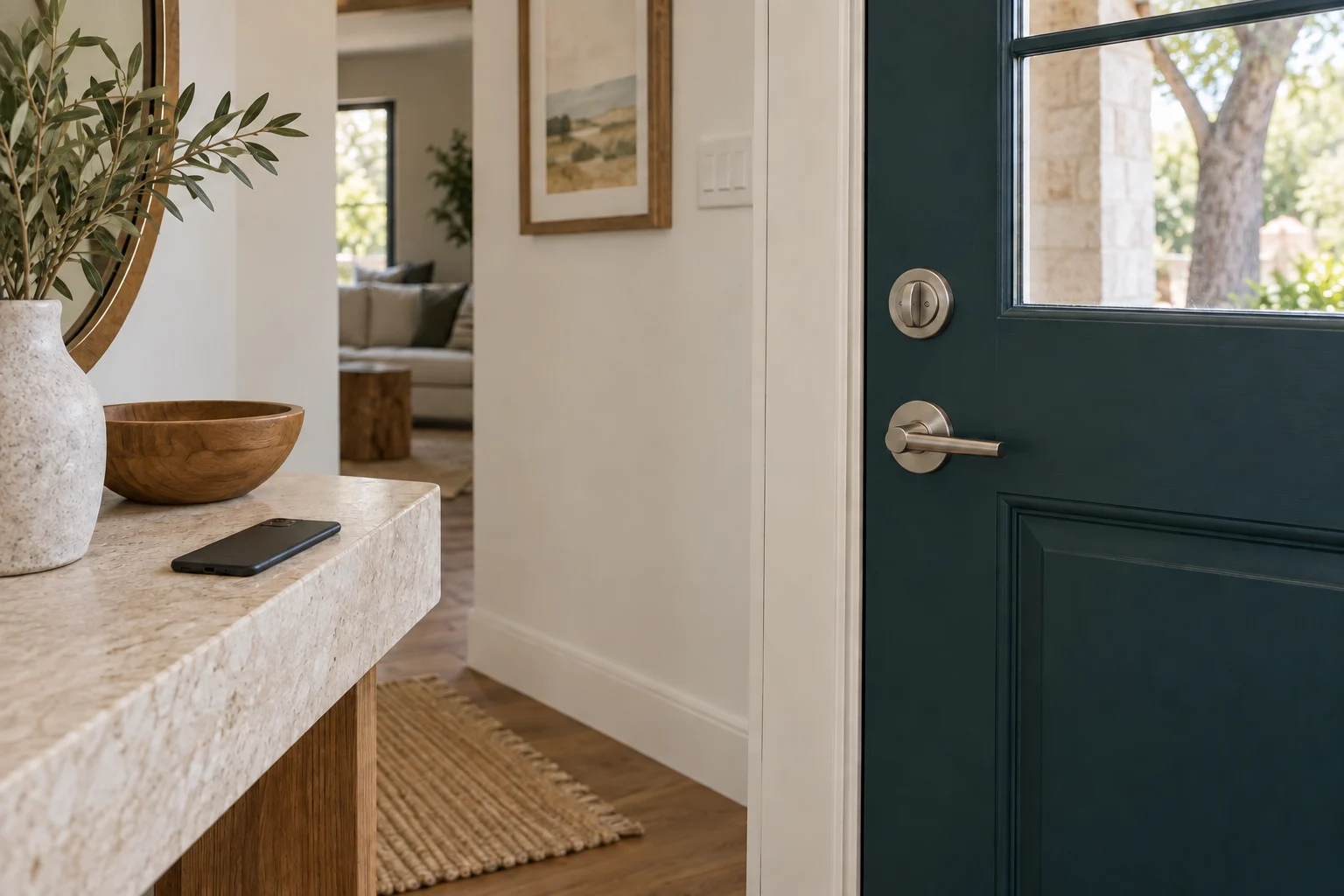
If a missing key could be connected to your address, discuss changing access to the affected locks. Rekeying may suit serviceable cylinders. The scope depends on what the missing key opens and the condition of the hardware.
Losing keys also provides a good opportunity to evaluate whether you want to upgrade to a higher security model or switch to a keyless entry system. If the lost key was an electronic fob or a smart card, revoking that specific credential in the system software prevents its use without necessarily requiring physical hardware replacement. The mechanical backup key might still need rekeying if it was lost on the same ring.
6. the style is outdated
Many homeowners replace their locks simply because they are renovating. If you update your exterior paint, change the porch lighting or install a new front door, old brass hardware might clash with modern finishes. Replacing the locks allows you to match the handles, deadbolts and hinges for a cohesive appearance.
For an appearance upgrade, compare door thickness, backset, hole dimensions and the old hardware footprint before buying. Some replacements fit existing preparation; others need changes that may be unsuitable or restricted on the particular door.
7. the current locks are low quality
If you are unsure what protection the existing lock provides, identify its model and any applicable rating. Price or the builder choice alone does not establish its strength. Residential hardware is sometimes evaluated using testing standards, but these do not match the numeric commercial grades used for high traffic buildings.
Compare replacement hardware against your actual door and access needs. Upgrading to a heavier deadbolt is only effective if the door frame and hinges can support the added strength. Discuss the specific vulnerabilities you want to address rather than relying on generic security claims. A solid lock on a hollow core door provides very little actual improvement.
8. you want keyless entry
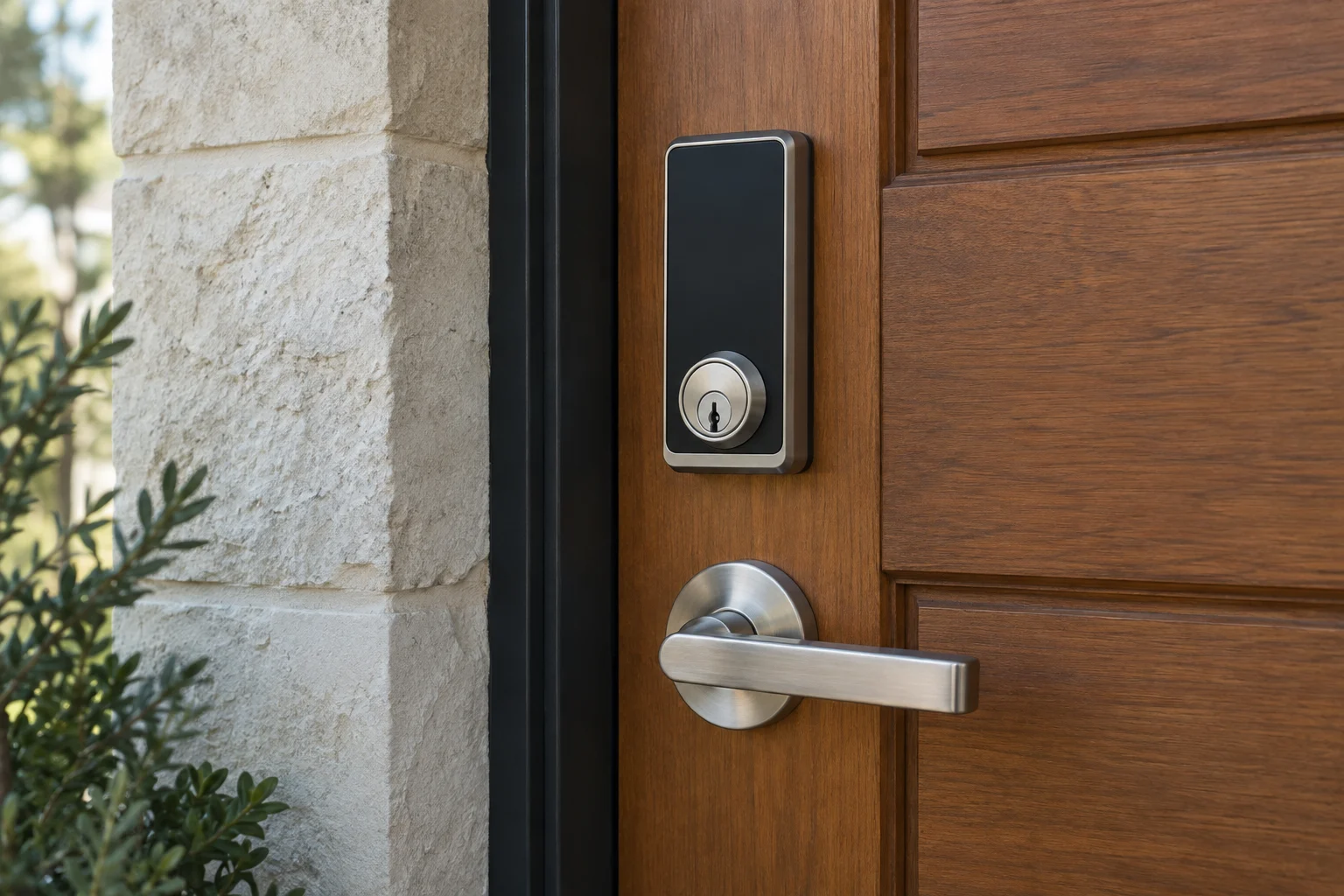
A keypad or smart lock may help if you want individual codes, temporary access for visitors or another entry method. Features differ significantly by model. Some require a separate network hub, while others connect directly to your home routing equipment.
Include account control, battery care and the exact backup method in the decision. Some products replace the deadbolt; others retrofit compatible hardware. For example, Level Bolt with Matter is a retrofit design, while a product such as Schlage Sense Pro has its own full-lock requirements. Check the selected model rather than assuming every electronic upgrade needs the same changes.
A keyless option
9. the door alignment has shifted
If ordinary bolt operation differs with the door open and closed, report that symptom. Hinge wear, pressure at the strike, seasonal movement or other faults may be involved. Assessment should precede replacement; the observation alone is not a diagnosis.
Avoid filing a strike or drilling based on a generic tip, particularly on a rated or managed opening. Have the required adjustment checked against the hardware and door instructions.
When the bolt no longer lines up
Replacing a lock alone may leave a shifted door problem untouched.
- Opening edge
- Latch or bolt
- Keeper opening
Professional lock review and replacement
Tell the technician what prompted the review and ask which problem the proposed work will solve. Compare a repair, rekey and replacement where they are suitable. Contact 512 Locksmith at (512) 777-0021 to discuss the opening and request a quote. Serving Austin for more than a decade under Texas license B07298601, we provide targeted hardware solutions based on exactly what your door requires.
Repair, rekey or replace?
Key access uncertain
Ask whether the existing cylinder can be rekeyed.
Movement changed
Inspect the key, strike, hinges and lock together.
Hardware damaged
Compare repair and replacement based on the complete opening.
Questions about evaluating door locks
Does a sticky lock always mean i need a replacement?
No. A sticky lock often indicates a need for proper lubrication, a worn key, or a minor alignment issue. Testing the lock with the door open helps determine if the issue is inside the cylinder or related to how the door sits in the frame. Only apply lubricants specified by the lock manufacturer.
Can i rekey a lock if i do not have the original key?
A missing original key does not automatically rule out rekeying. The cylinder design, condition and access to the door determine the options and cost. Ask about the actual process before assuming it matches a simple working-key rekey.
How do i know if my lock damage is cosmetic or structural?
A finish mark, bent component and binding key are different observations. Photos can help describe them, but operation and inspection determine whether repair or replacement is needed. A stiff key alone does not establish structural damage.
Are smart locks physically stronger than traditional deadbolts?
Smart locks offer different access control features, such as auditable logs and temporary codes, but their physical strength depends on the underlying deadbolt hardware. The primary advantage of a smart lock is convenience and credential management rather than resisting physical force better than a similarly rated mechanical lock.
What should i check before buying replacement hardware?
Measure the door thickness, backset and relevant holes, and photograph the edge, inside and outside. Also check the required lock function, handing and any rated-door restrictions. Dimensions help narrow the choice but are not the only compatibility requirements.
Sources and further reading
- Level Bolt with MatterLevel
- Schlage Sense ProSchlage