

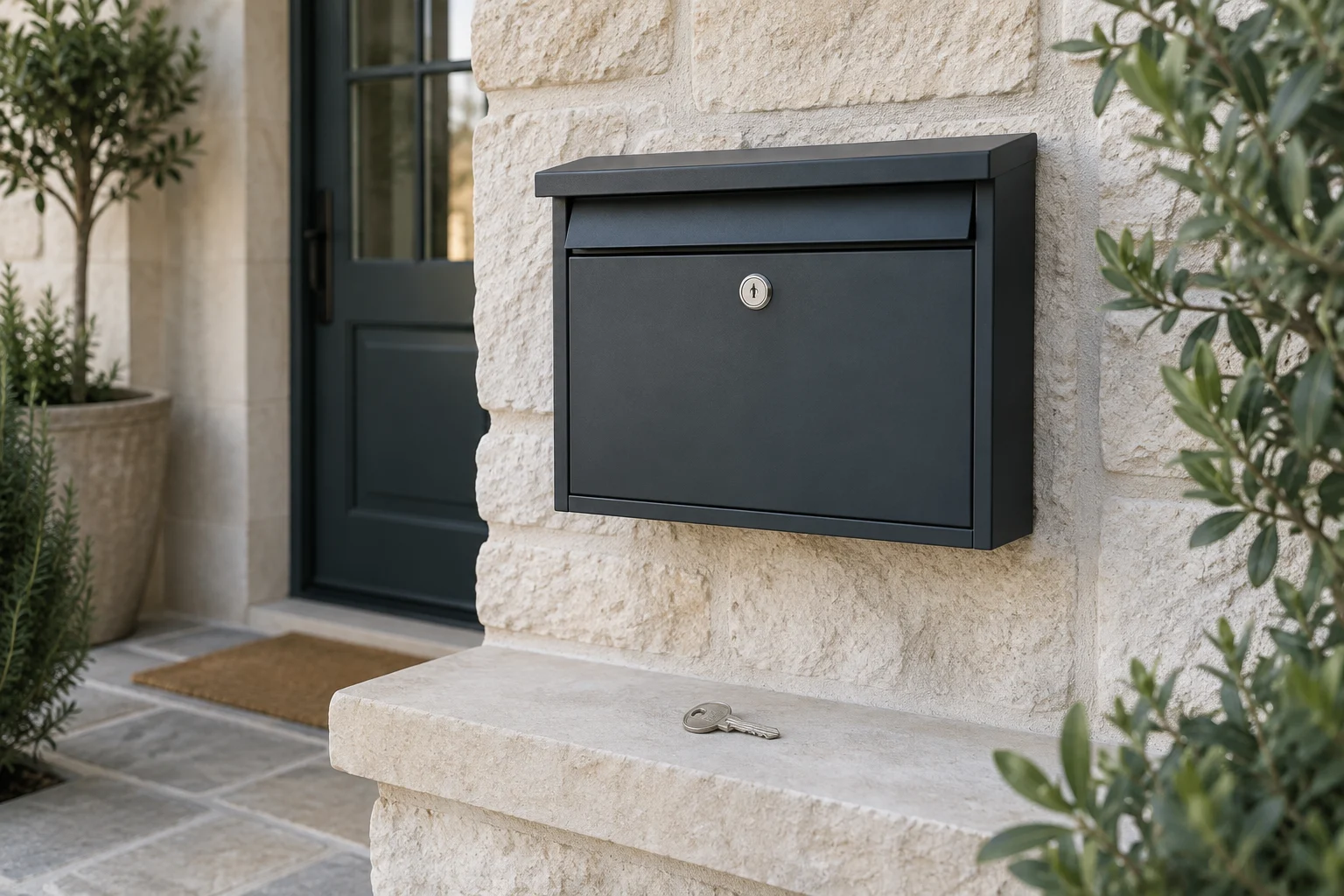
Before changing a mailbox lock, establish who owns and maintains the unit. It may be the property owner, manager or USPS. Shape and location alone do not settle responsibility, and the customer compartment is separate from carrier access.
In this guide
Identifying ownership and responsibility
A mailbox might sit on your property, but that does not automatically mean you hold the right to alter its locks. The distinction between a postal service asset and private property changes how a lost key gets resolved.
USPS owned mailboxes
For a USPS-owned unit, contact the local Post Office about the approved replacement process, required documentation and any charges. Do not infer ownership from a stamp on the key or book private work until responsibility is clear.
Privately owned cluster boxes
Multi unit mailboxes, often referred to as Cluster Box Units (CBUs), are common in apartment complexes, condominiums, and newer neighborhood developments. The distinction between a USPS owned CBU and a privately owned CBU is often invisible to the resident. For privately owned cluster boxes, USPS guidance places lock and key service with the builder or property owner. Contact the manager or homeowner association to establish responsibility before booking work. See the USPS delivery receptacle guidance.
Private curbside and wall mount mailboxes
For a standalone mailbox you own and are authorized to maintain, the responsibility falls to you. You can purchase a replacement cam lock, handle the work yourself, or hire a professional if the box is damaged or locked shut.
First identify the mailbox you control
The repair path depends on whether it is an individual or centralized box.
- Reported issue
- Scope check
- Authorization
Further reading: U.S. Postal Service: USPS delivery receptacle guidance
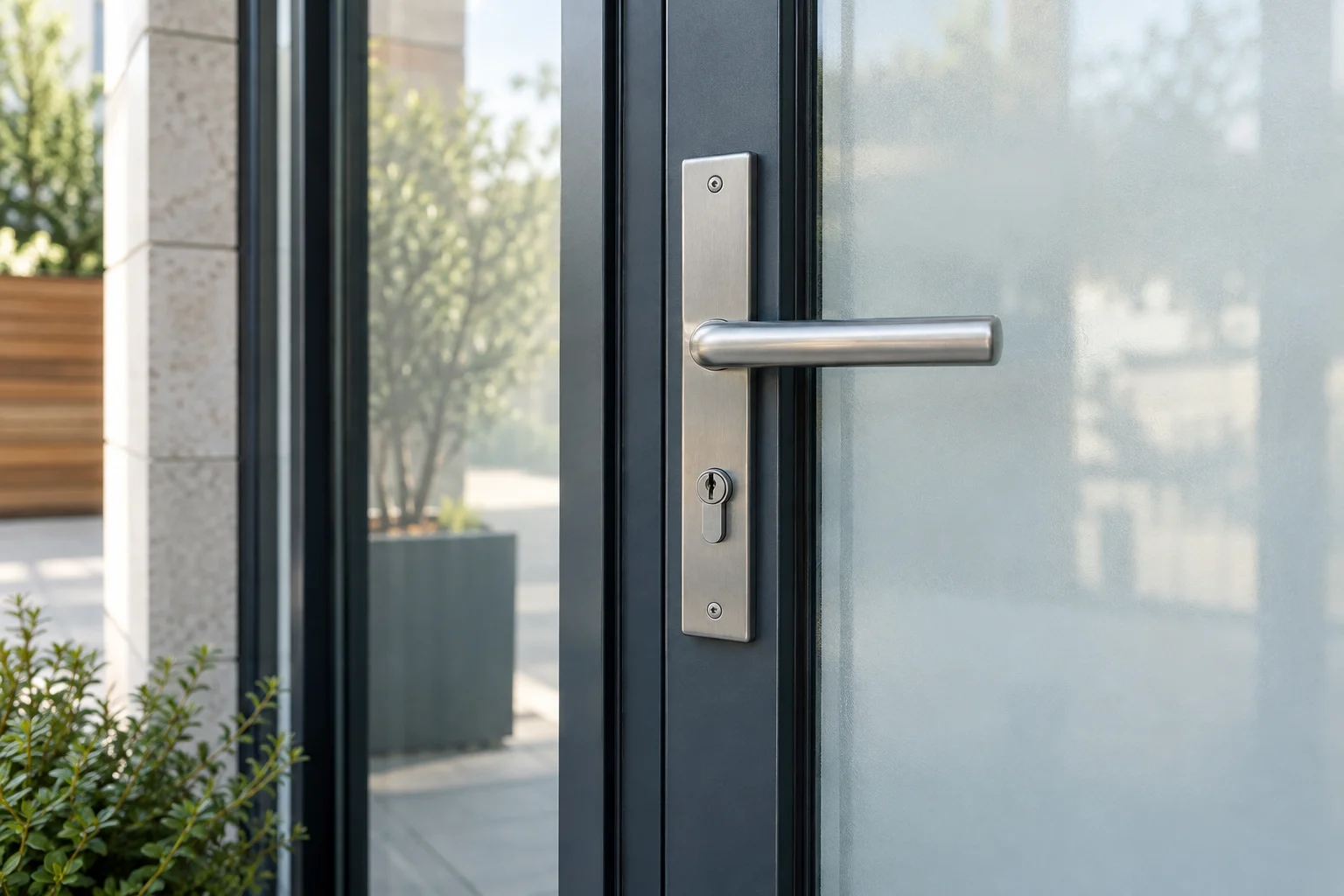
Close view of a keyed lock cylinder
Distinguishing between a lost key and a sticking lock
A mailbox that refuses to open requires a quick diagnosis before you buy replacement parts.
When the lock is stuck
If the key enters but will not turn, stop forcing it. The cylinder, cam, door alignment and housing may need assessment. Follow the exact maintenance instructions rather than applying a generic lubricant or pushing hard against the door.
When the key is missing
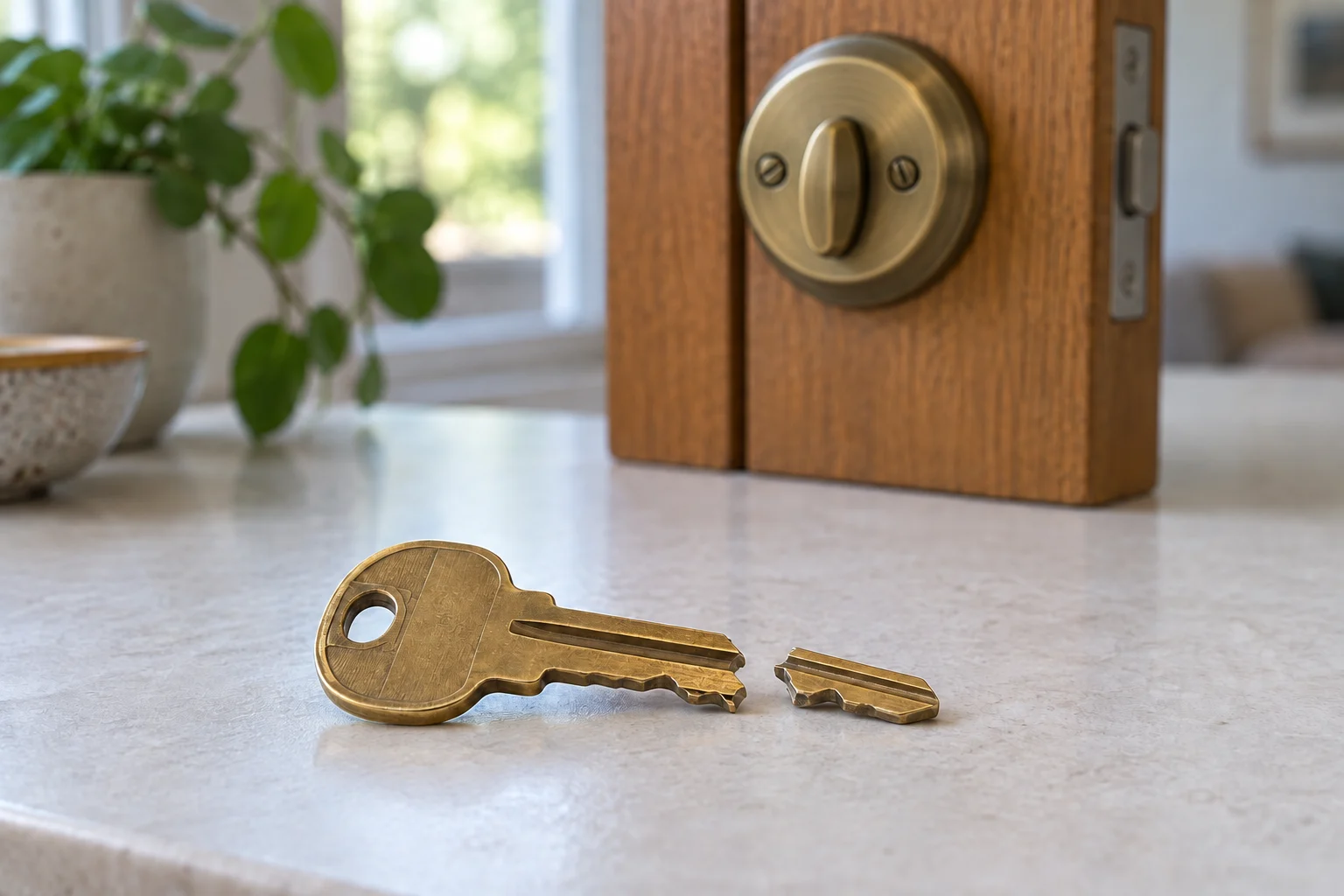
For an authorized private customer lock with a missing key, opening and replacing the cylinder may be separate tasks. Ask about the method and any risk to the housing before work starts. A damage-free opening is not something a generic guide can promise.
A key problem
Sourcing and fitting a replacement lock
Mailbox locks, typically called cam locks, are not universal. While many look identical on a hardware store shelf, small variations dictate whether the new lock will actually secure your mail.
Measuring the cylinder and cam
Cylinder length, mounting arrangement, cam shape and rotation must suit the specific mailbox. A similar-looking cam lock may not fit or latch correctly. Use the unit and lock model information, and preserve the old parts for comparison if they are already safely removed through authorized work.
Removing the retaining clip
Retaining clips and nuts vary. Follow the exact product instructions for authorized replacement, and stop if the mounting is damaged or inaccessible. The finished installation should match the intended key-removal position and door operation rather than a universal upright-keyway rule.
When to hire a professional for mailbox locks
You might consider professional mailbox lock repair or replacement if you encounter specific challenges:
- You are locked out of a privately owned mailbox and cannot open the door to access the internal retaining hardware.
- The existing lock is severely rusted or seized, making it difficult to remove without bending the metal door.
- You have a specialized locking column mailbox or a heavy duty security lock mechanism that requires more expertise than a standard cam lock swap.
- You manage a property and need to rekey individual tenant compartments after a turnover, always keeping the USPS master carrier access undisturbed.
Which mailbox is it?
Private box
Identify the owner and compatible cam lock.
Cluster box
Ask the manager or USPS who maintains your compartment.
Carrier access
Do not alter the shared master door or lock.
Secure temporary mail arrangements
A broken lock leaves your mail exposed. If you cannot secure the box immediately, do not leave sensitive documents sitting behind a swinging door.
Collect mail promptly and ask USPS about available hold or collection arrangements while repairs are pending. Confirm the applicable duration and pickup process with USPS; no temporary measure guarantees against theft.
Final checks and handover
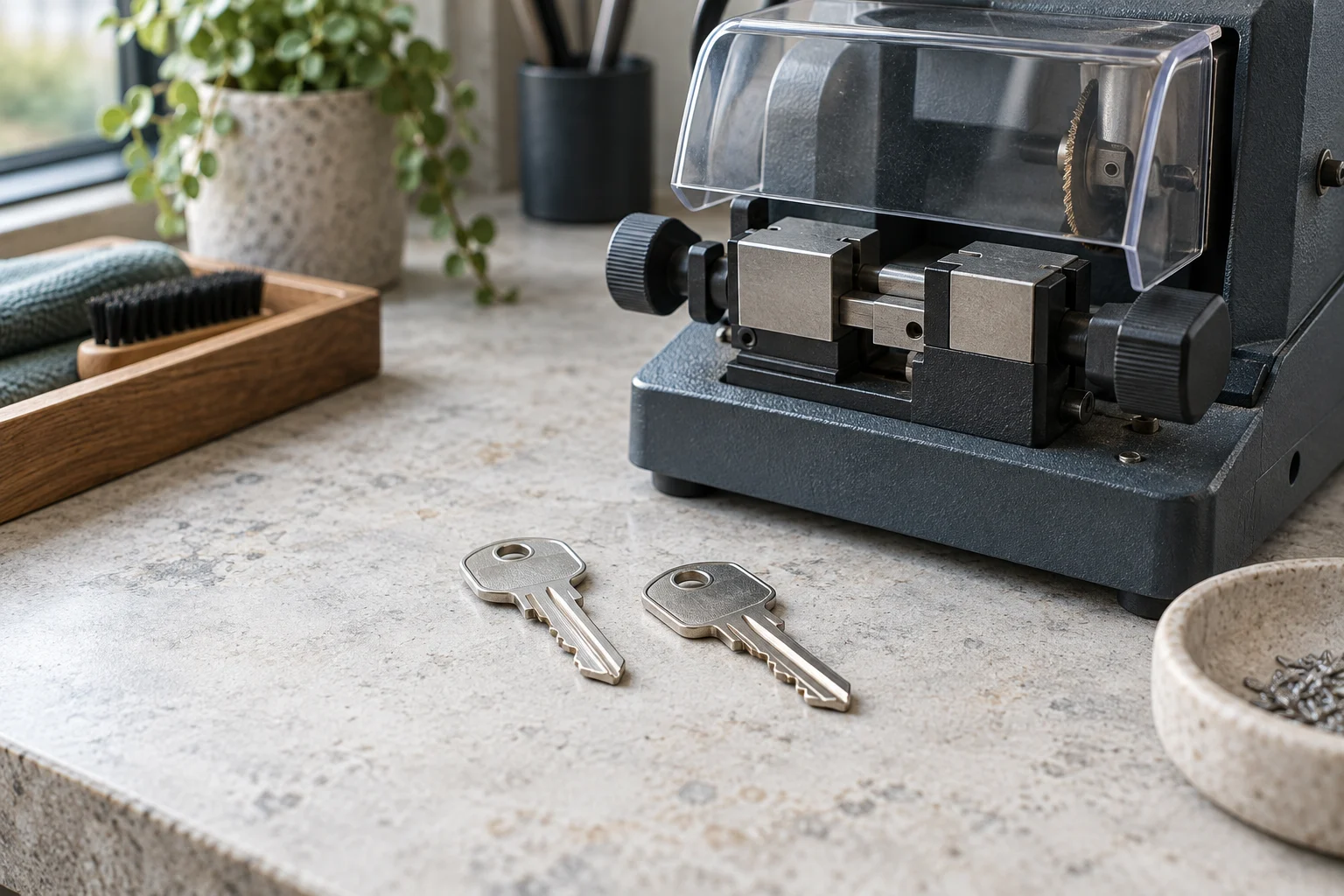
After authorized work, check that the door closes correctly and the key operates smoothly in the positions specified for that lock. Record who receives spare keys and report damage to the housing or latch. Follow the agreed management handover rather than assuming every manager must keep a copy.
Check the new key
Sources and further reading
- USPS delivery receptacle guidanceU.S. Postal Service