

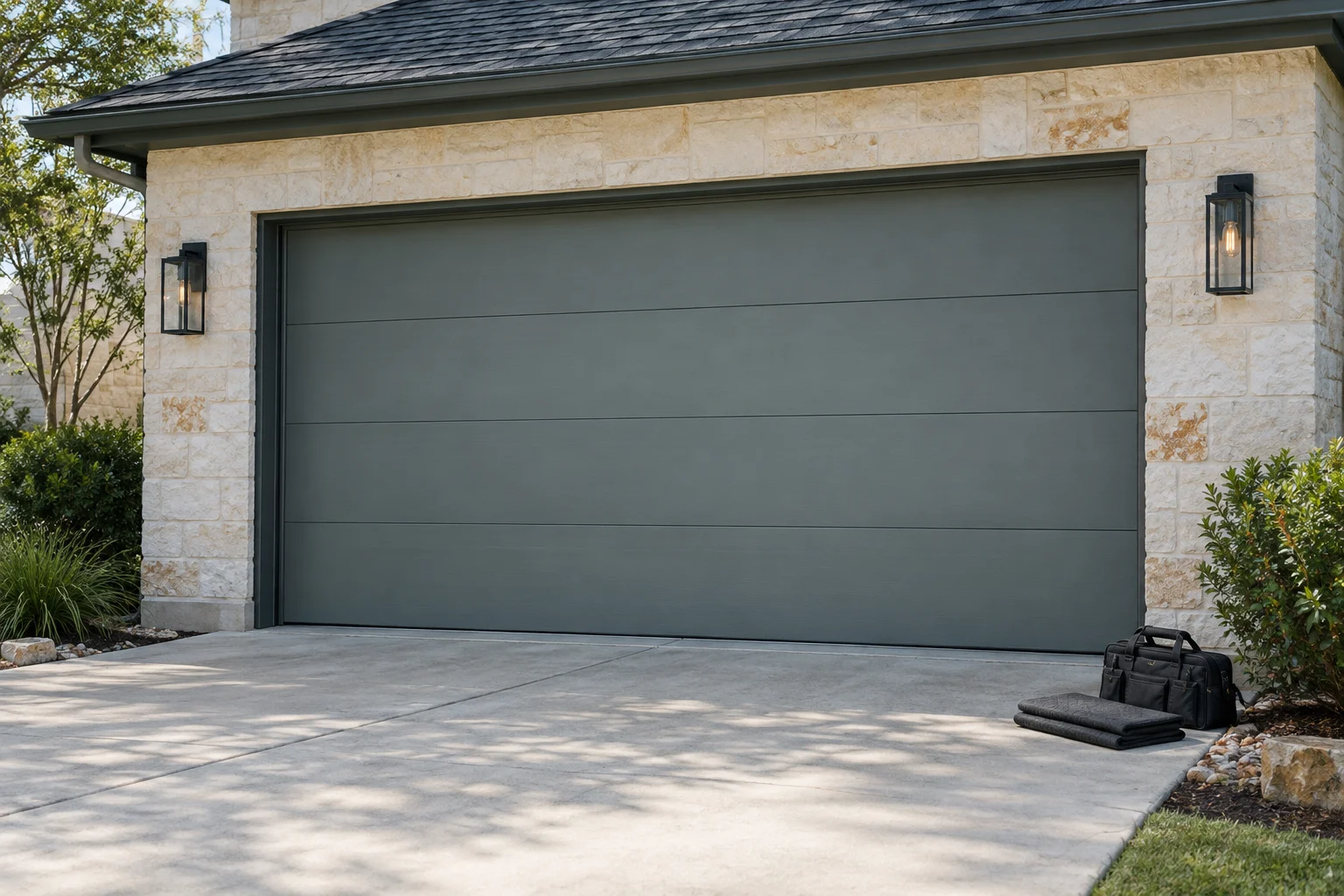
A garage door undergoes significant wear and tear over years of daily use. While regular maintenance can extend its life, components eventually degrade. Recognizing when a door has reached the end of its functional lifespan helps you plan for a replacement before a complete failure leaves your garage stuck open or closed.
In this guide
- 01Physical damage and weather exposure
- 02Mechanical failures and safety concerns
- 03Improving home energy efficiency
- 04Aesthetic considerations and property value
- 05Enhancing residential security
- 06Planning an upgrade
- 07Compare a repair with a complete replacement
- 08Plan around how you use the garage
- 09Questions before you approve the job
Physical damage and weather exposure
Severe weather and accidental vehicle impacts take a toll on garage doors. Wooden doors may warp or absorb moisture, changing their weight and straining the lifting mechanism. Metal doors can rust or suffer dents that interfere with their ability to travel smoothly along the tracks.
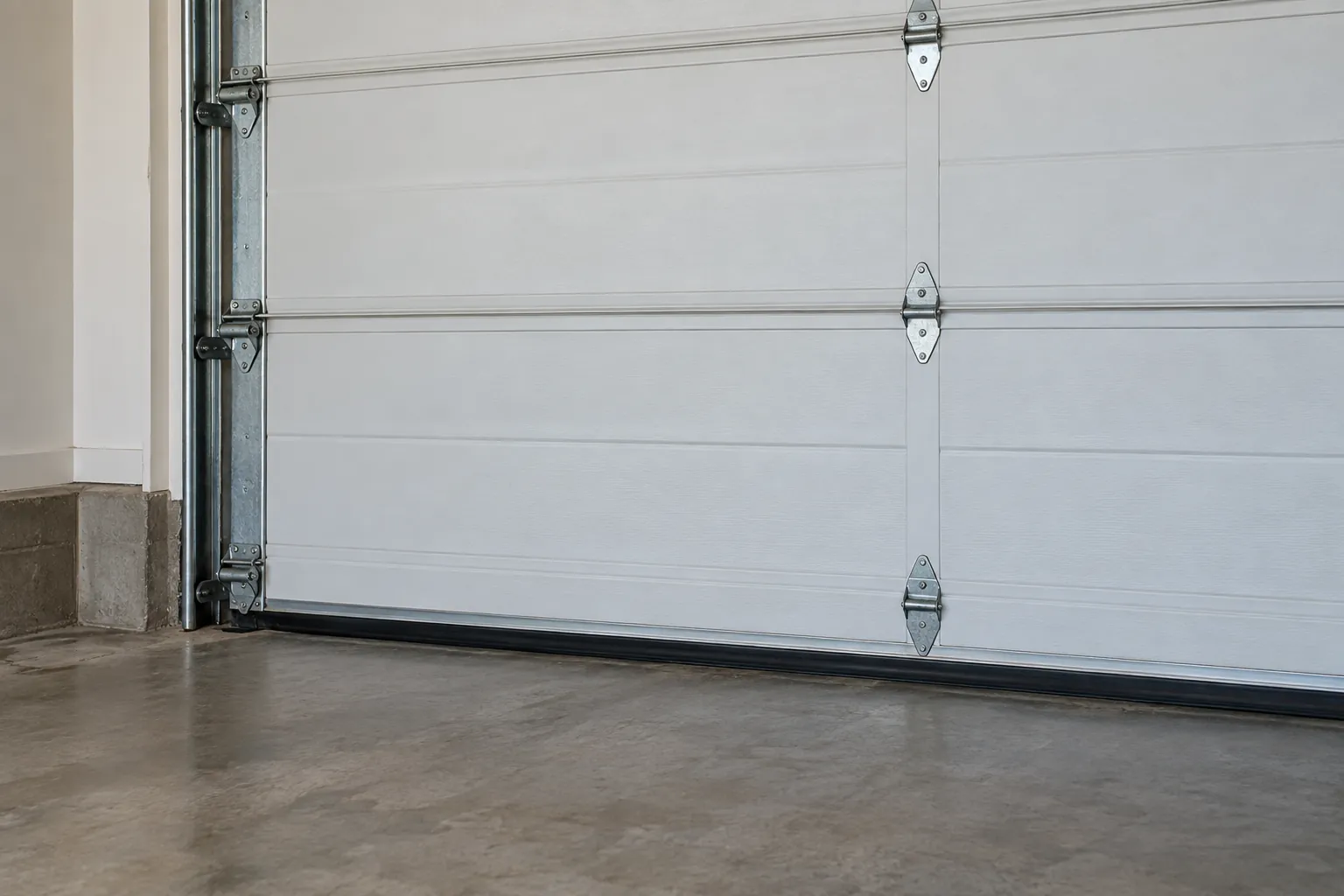
If a door is visibly sagging or struggling to close completely, the structural integrity might be compromised. A door that does not seal properly along the bottom or sides allows rain and pests into the garage. This poor seal can also affect the temperature regulation of your entire home, especially if the garage is attached.
Mechanical failures and safety concerns
A garage door is a heavy moving object under high tension. When it operates erratically, it becomes a safety hazard. If your door reverses direction unexpectedly or makes persistent grinding noises even after you have applied proper lubrication, the internal hardware may be failing.
If the door is crooked, drops unexpectedly, has a damaged spring or loose cable, stop operating it. Do not disconnect the opener on a damaged or unstable door to experiment with its balance. Have a trained garage-door technician assess the complete system, including the springs and cables. Do not adjust those parts yourself.
Inspect the complete garage door system
Ask which component is failing before agreeing to a full replacement.
Door and frame
Document damaged panels, a poor fit, or gaps around the closed door.
Lifting hardware
Have a qualified garage door technician assess the springs, cables, rollers, and tracks.
Opener and safety features
Include the opener, reversal behavior, and photo-eye condition in the diagnosis.
Interior entry
Review the door from garage to home as a separate lock and frame decision.
Improving home energy efficiency
An older, uninsulated garage door provides little barrier against outside temperatures. If you use your garage as a workspace or if it shares walls with interior living spaces, an insulated replacement door can help stabilize indoor temperatures. Modern doors feature better weatherstripping and insulated core panels that block drafts.
Noise alone does not establish that the whole door needs replacing. If your current door vibrates the house or creates loud mechanical noises every time it opens, have the rollers, hinges, opener mounting and door balance checked before choosing an upgrade. The source of the noise determines which work is useful.
Aesthetic considerations and property value
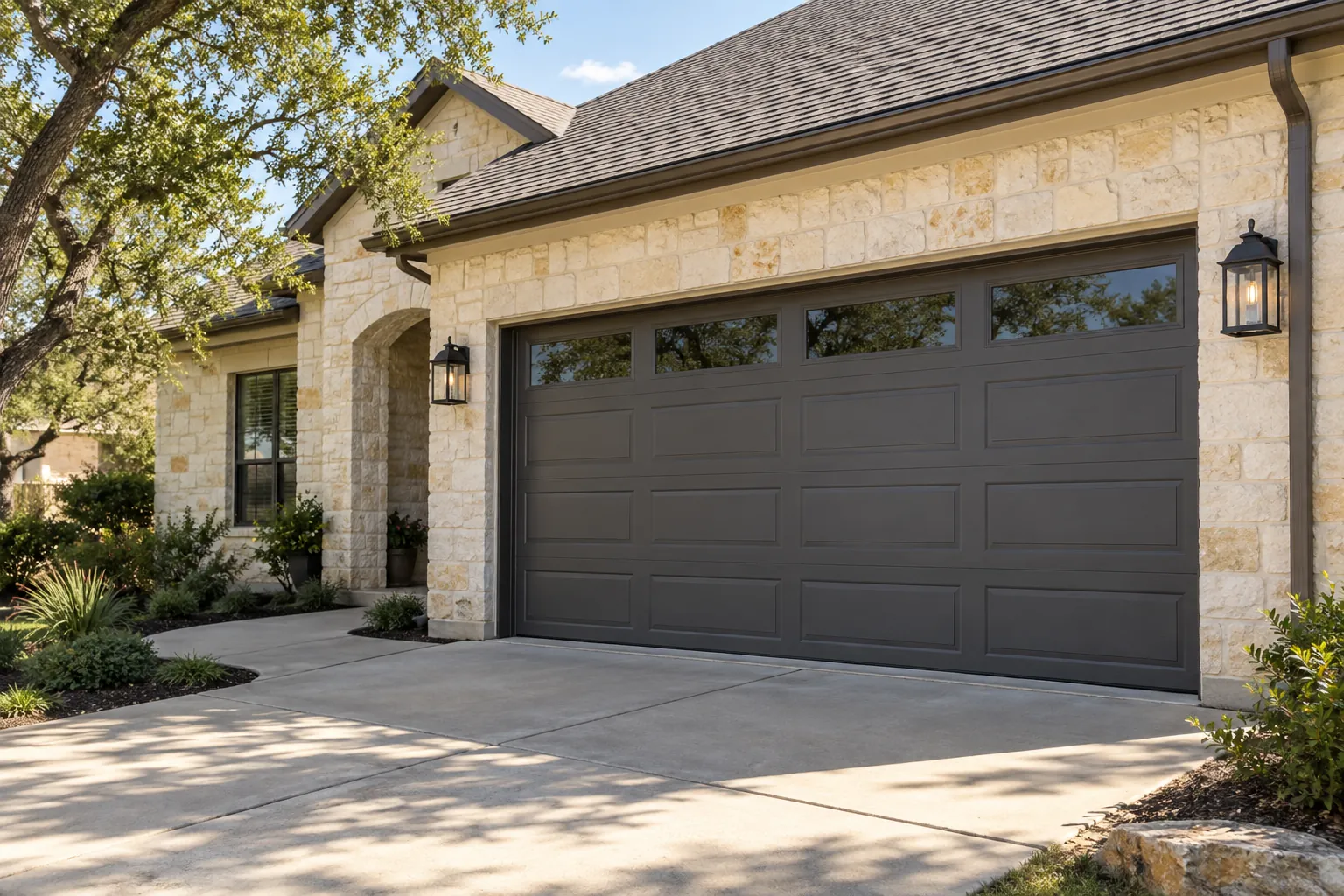
Because the garage door often makes up a large portion of a home's front facade, its condition heavily influences the overall appearance of the property. A worn or heavily dented door detracts from the exterior aesthetic. Upgrading to a modern design with updated hardware and window panels can refresh the look of the house. When preparing a home for the market, an updated garage door often improves the initial impression for potential buyers.
A garage door in the home facade
Enhancing residential security
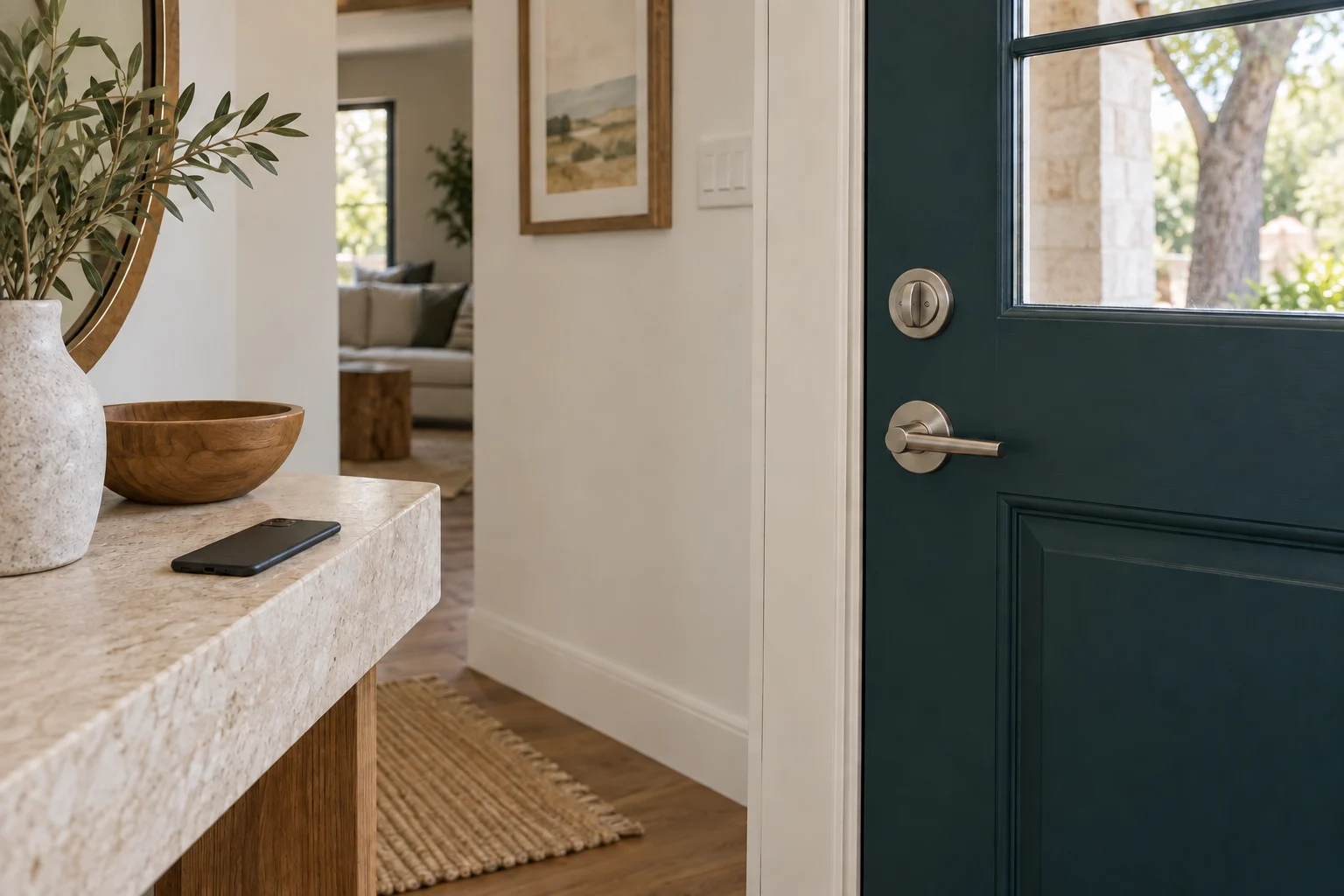
Older garage doors and their accompanying openers can present security vulnerabilities. Worn locks and missing remotes deserve attention. Check the opener model and its access controls rather than assuming the door panels are the security problem. A new garage door system typically integrates with modern openers that utilize rolling code technology and remote monitoring, giving you better control over who accesses the space.
The connecting door
Planning an upgrade
Replacing a garage door involves selecting a material and style that matches your home's architecture while providing the necessary durability. Consider the insulation value, the maintenance requirements of the material, and the type of opener system that best suits your daily routine.
If you are dealing with a malfunctioning door, a technician can determine whether the issue requires a complete replacement or if targeted garage door repairs can resolve the problem safely. For improvements to your other exterior entries, we also provide door installation services.
Compare a repair with a complete replacement
Ask the technician to separate the condition of the panels from the lifting hardware and opener. A working opener does not prove the door is sound, and a faulty opener does not automatically mean the panels need replacement. Ask which parts can remain and whether they are compatible with the proposed work.
For panel damage, find out whether a matching section is available and whether the remaining door is worth keeping. A mismatched replacement can affect appearance, fit or weight. The quote should identify the proposed door model, required track or spring changes, installation, removal of old materials and any exclusions.
Repair or replace the failing part?
A complete quote separates the door, lifting system and opener.
- Reported issue
- Scope check
- Authorization
Repair or replace?
Local fault
Ask if the affected part can be repaired safely.
Wider wear
Have panels, springs, tracks and opener assessed together.
New door
Compare fit, intended use and the complete written scope.
Panels and lower seal
Plan around how you use the garage
A workshop, storage area and parking space have different priorities. Insulation can be useful, but do not expect a door alone to turn an unconditioned garage into living space. Check the wall construction, air gaps and any permits needed for a change of use.
Consider the upkeep of the finish, the amount of light from windows and whether glazing reveals valuable items. If an owners' association controls exterior changes, get the design requirements before ordering.
Questions before you approve the job
- Which fault makes replacement preferable to repair?
- What is included in the total, and which existing parts will be reused?
- Does the opener support the proposed door and safety features?
- What maintenance and warranty terms apply to the complete installation?
- How will the garage be secured while the work is underway?
A written answer to these questions is more useful than a blanket claim that every new door raises property value or lowers insurance costs. Ask your insurer directly about your policy if that is part of your decision.
Sources and further reading
- Automatic residential garage door operatorsU.S. Consumer Product Safety Commission