

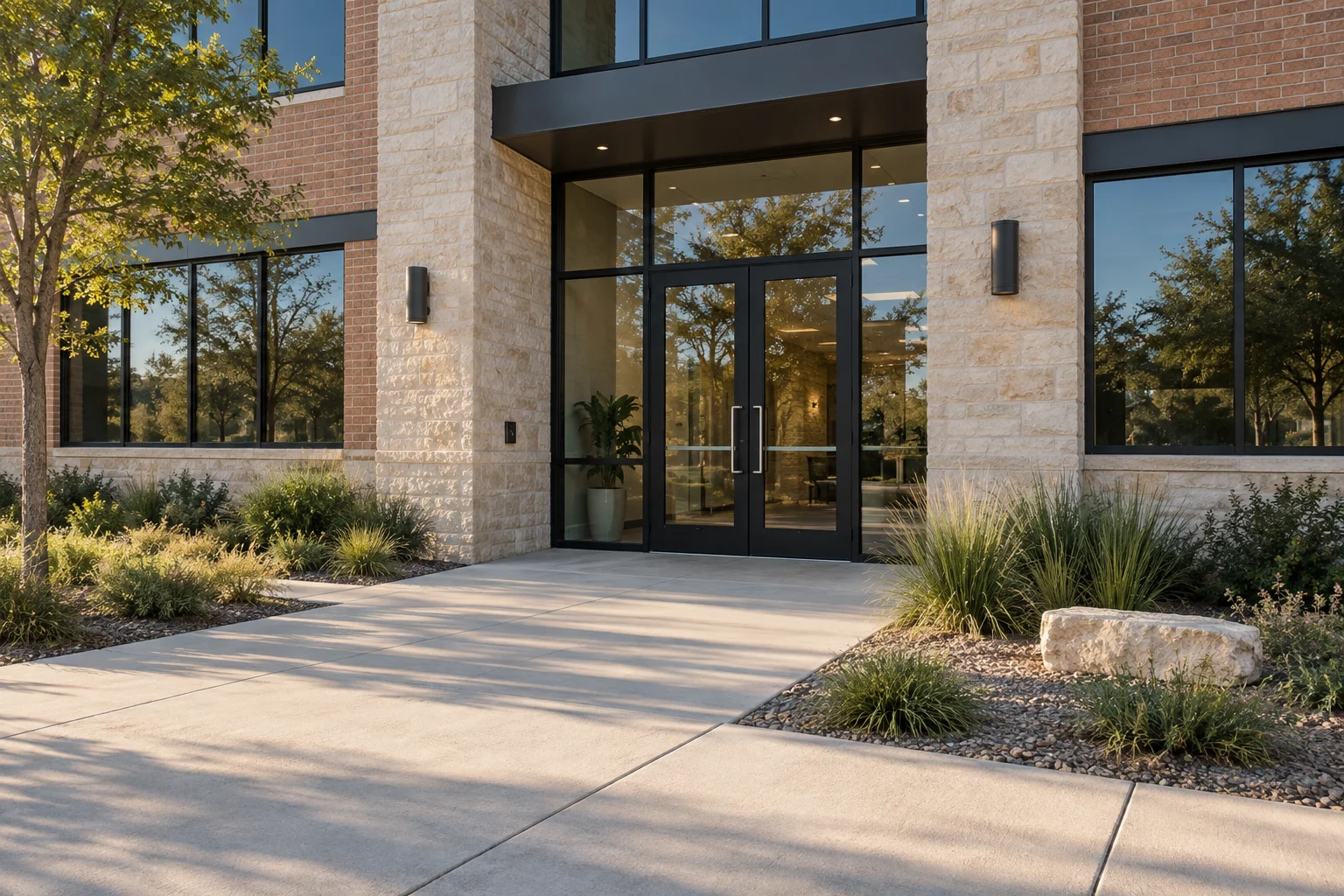
A rental property lock faces a distinct set of demands. It needs to work reliably for the tenant every day, while allowing the owner to manage access transitions efficiently between leases. Landlords require hardware that withstands heavy use and unpredictable weather. Choosing the right hardware reduces emergency maintenance calls, streamlines tenant turnover, and helps maintain compliance with state regulations.
In this guide
Understanding Texas property code requirements
Before evaluating specific hardware, property owners must understand their obligations. In Texas, the Property Code outlines specific security device requirements for residential tenancies. Under Section 92.156, a landlord is generally required to rekey exterior doors no later than the seventh day after each tenant turnover date, at the landlord's expense. The code also addresses required security devices, such as keyless bolting devices on exterior doors and keyed deadbolts or doorknob locks.
The statute includes exceptions and related security-device provisions. Review Texas Property Code Chapter 92, including Section 92.156, for the applicable situation. A product's marketing description or an electronic code change does not by itself establish compliance.
Evaluating mechanical and connected options
The ideal rental lock depends on the property type, the expected turnover rate, and who manages the day-to-day operations.
Heavy-duty mechanical locks
Mechanical deadbolts avoid batteries and app management, but durability depends on the exact product and installation. Suitable cylinders may be rekeyed at turnover while the hardware remains in place. Check the door preparation and required lock function before choosing replacements.
Rapid-rekeying mechanical systems
Some products support a manufacturer-defined rekey procedure without conventional cylinder disassembly. Kwikset 980 with SmartKey is a specific example. The working key and tool requirements are technical conditions, separate from the legal authority to change access. If those conditions are not met, consult the product's support instructions rather than improvising a reset.
Standalone electronic keypads
A standalone keypad can reduce everyday key handoffs, but changing a PIN is not the same as rekeying a retained mechanical cylinder. Review both access methods during turnover and meet applicable security-device duties. Follow the exact battery and backup-entry instructions; there is no universal annual replacement interval.
Networked smart locks
A connected lock may support remote credentials, schedules and activity records. Check each feature in the exact model and management platform. Test what remains available without internet and how delayed changes reach the lock. A log shows credential use, not conclusive proof of who entered.
Keys and tenant turnover
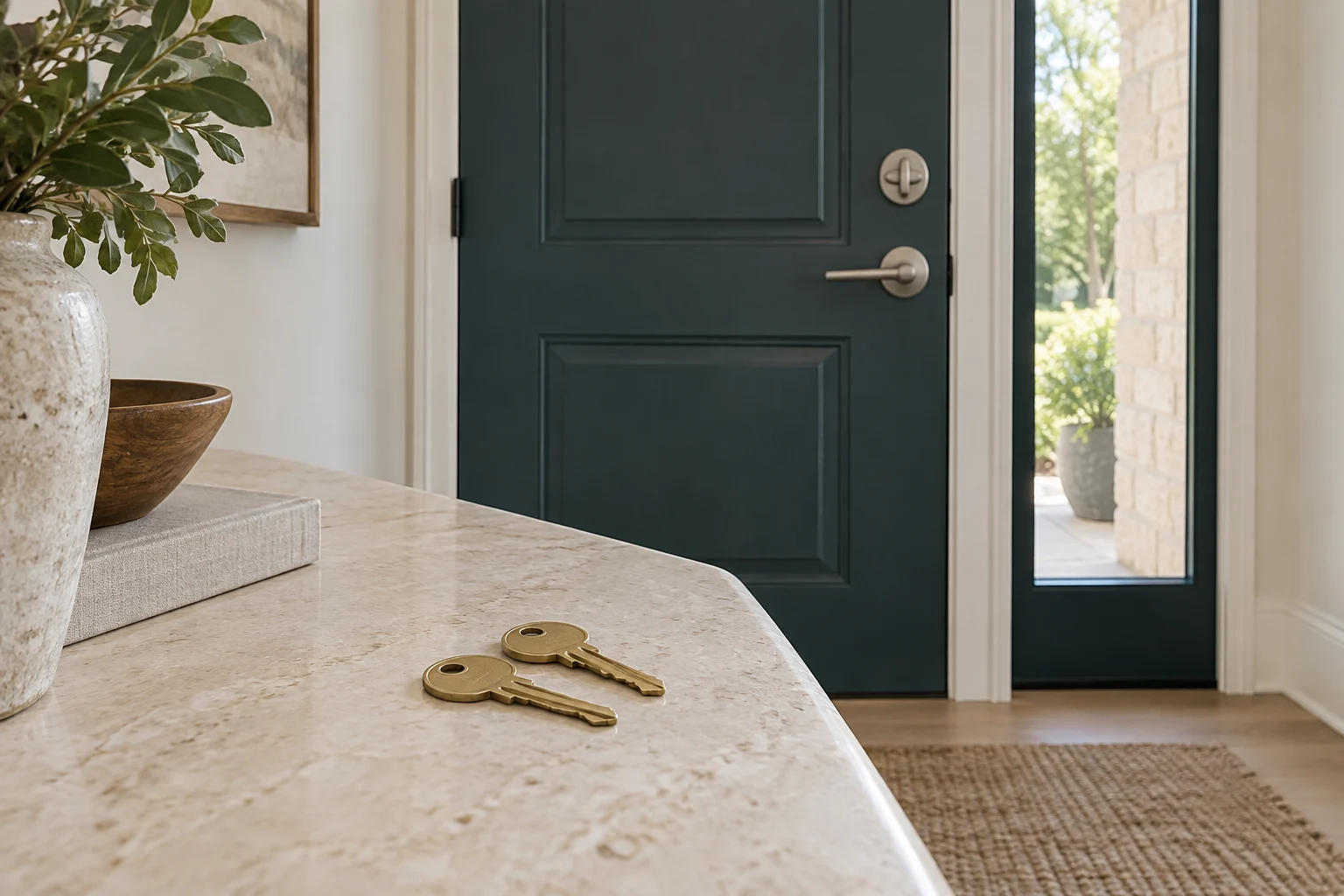
Key and code turnover checklist
A structured process prevents security gaps when a property changes hands. A standard turnover checklist should include:
- Collecting all physical keys, including mailboxes, common areas, and storage units.
- Rekeying exterior residential doors within the statutory timeframe.
- Deleting the previous tenant's electronic access codes or revoking their mobile credentials.
- Issuing new physical keys and documenting who received them.
- Providing the new tenant with instructions on how to operate electronic locks and change their personal daily use codes.
- Testing all egress paths and checking the supported backup entry method, including a mechanical key where fitted.
A tenant change is an access change
Hardware choice matters less if prior access is left in place.
- Existing key
- Cylinder
- New key
Further reading: Texas Legislature: Texas Property Code Chapter 92
Turnover questions for a property manager
Authority
Confirm who can approve lock and code changes.
Access
Collect issued keys and remove old credentials where the system supports it.
Handover
Test the door and document who holds new access.
Code turnover
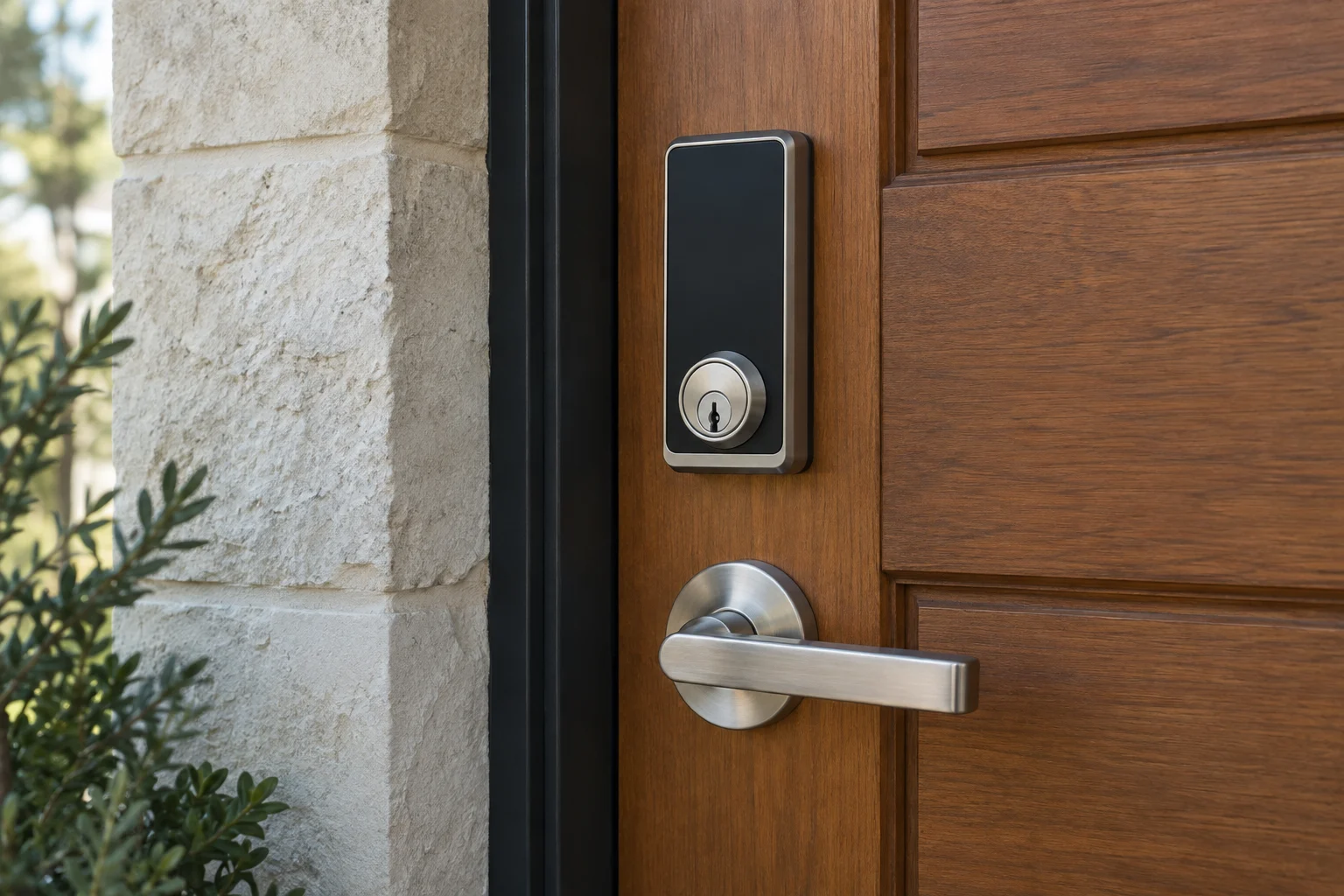
Accessible inside operation and life safety
Check the required inside operation before choosing rental hardware. A keyed inside cylinder changes the escape sequence and may be unsuitable or prohibited for the particular opening. Have the actual door and applicable rules assessed instead of assuming a generic residential product is appropriate.
Additionally, consider the physical ability of your tenants. Lever-style door handles are easier to operate than round knobs, particularly for individuals with limited grip strength. When selecting a lock, ensure the thumbturn on the inside is large enough to grip and turns smoothly without binding against the door frame.
Implementing a master key system
If you manage a multi-family building or an apartment complex, carrying dozens of individual keys is inefficient. A master key system simplifies property management by assigning different access levels to compatible locks.
A properly designed system can give a resident access to their specific unit and common areas, while granting an authorized manager access to an agreed group of doors. You can also incorporate sub-master keys for maintenance staff, restricting their access to specific zones or utility rooms appropriate to their responsibilities. The access hierarchy must be carefully planned in advance; a master key does not automatically operate every lock on a property unless the cylinders are pinned to accept it. Remember that having physical access capability does not override the legal rules for lawful entry, tenant notice, and privacy.
Shared key control
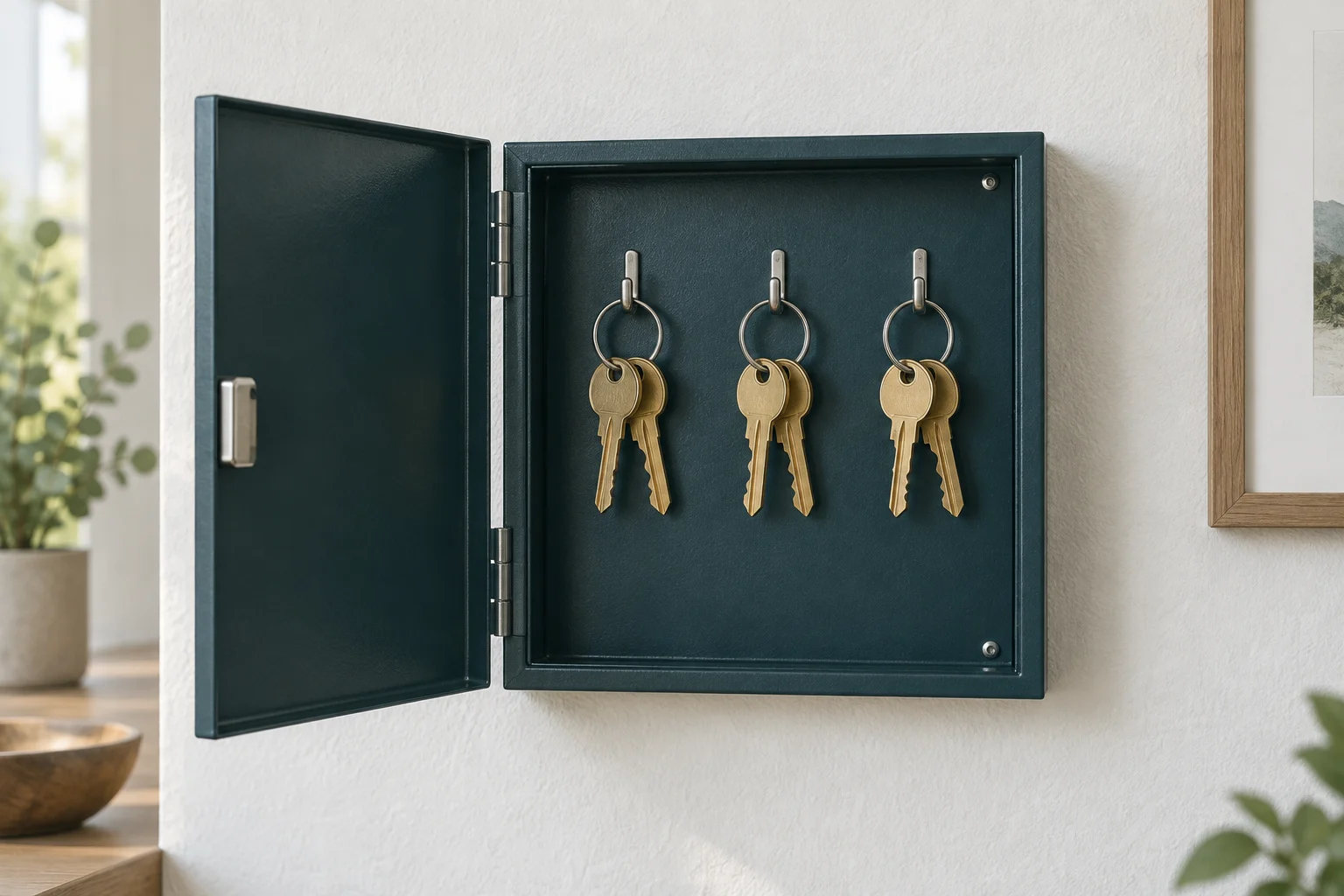
Support plan and maintenance
Give tenants a clear way to report binding, unreliable latching or a low-battery warning. Respond to changes in operation rather than waiting for a complete failure. The appropriate response may be adjustment, maintenance or repair.
If you use electronic locks, provide tenants with the manufacturer's instructions for replacing the batteries, and specify what type of batteries are required. Depending on the model, a lock may require alkaline or lithium batteries, and using the wrong type can cause erratic behavior or damage the electronics.
When you need to evaluate hardware options for an Austin rental property, design a multi-unit keying system, or schedule a turnover lock rekeying, contact 512 Locksmith. Serving Austin for more than a decade, our dispatch is available 24/7 at (512) 777-0021 (License B07298601) to discuss the right approach for your doors.
Sources and further reading
- Texas Property Code Chapter 92Texas Legislature
- Kwikset 980 with SmartKeyKwikset