
Mortise lock hardware

Mortise lock repair in Austin

A worn cylinder, failed case and misaligned door need different repairs. We identify the mortise hardware and explain what can be retained.

14+ years serving Austin
2,500+ Google reviews 4.9/5
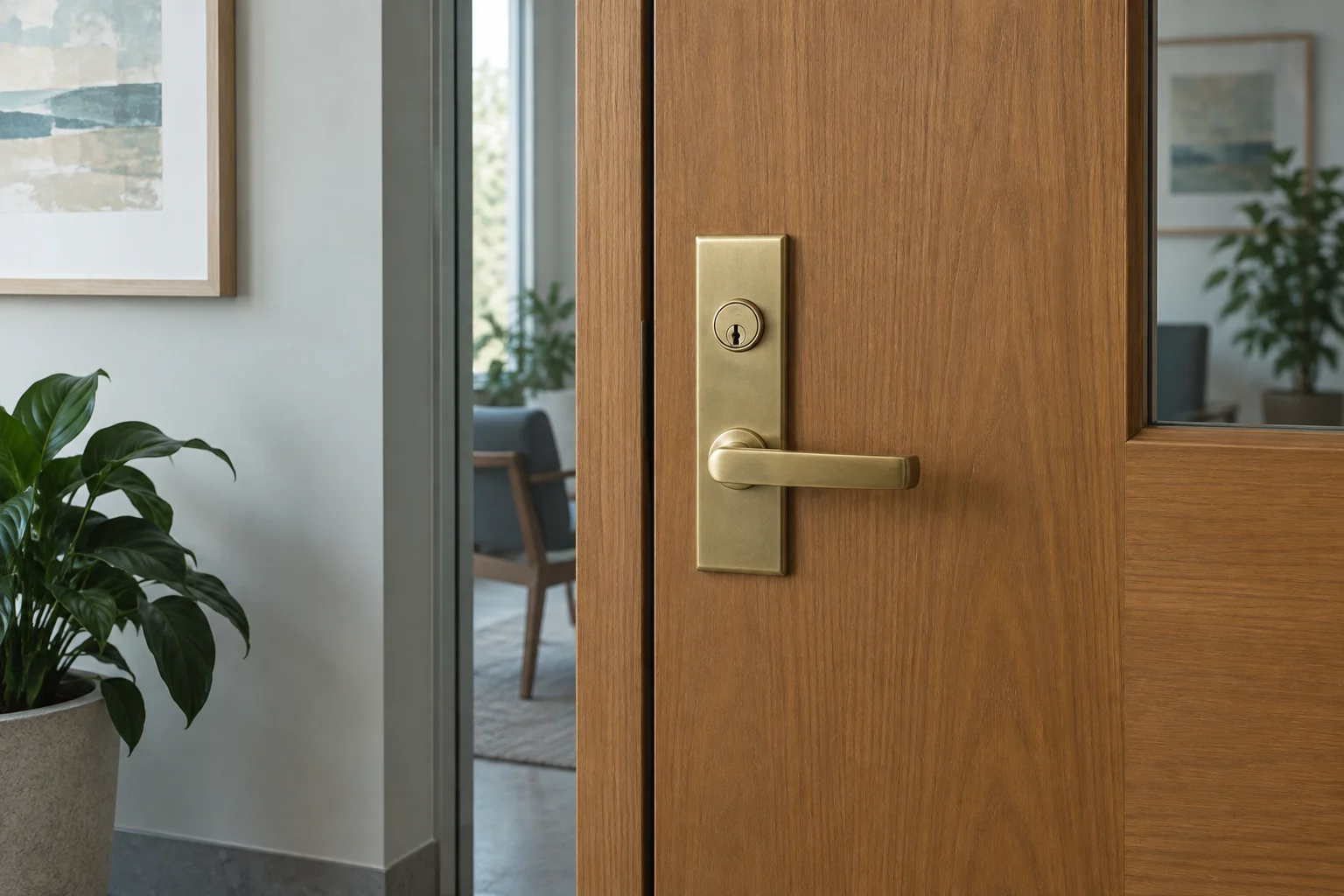
A brass lockset and lever handle on a wood door.
01

Identify the part

Keep the useful hardware. Identify the failed part.

A mortise lock has its main case fitted into a pocket in the edge of the door. The visible handle, trim and key cylinder work with that case. When something stops working, replacing the whole assembly may be unnecessary, but a generic replacement part may not fit either.

512 Locksmith provides mortise-lock assessment, repair and replacement in Austin. Tell us whether the key, handle, latch or deadbolt is causing trouble. A description of the symptom and visible brand markings gives us a better starting point than the age or style of the door alone.

The case, cylinder and trim have different jobs

The cylinder accepts the key. The case contains the operating mechanism. Handles and trim connect the person using the door to that mechanism. Depending on the product, the assembly may include a latch, deadbolt and different inside/outside functions. A problem in one part does not prove that all the others have worn out.

If the key turns but the latch does not retract, mention it. If the outside handle behaves differently from the inside handle, explain what each one does. Some differences are intentional functions; others signal a fault. We need the intended behavior as well as the current symptom.

For a broader comparison, browse our lock hardware services. If the door uses a Euro-style cylinder, our profile-cylinder page explains why cylinder sizing and the lock behind it both matter.

02

Fit and repair

Why dimensions and function matter before ordering

Mortise locks vary in case size, backset, handle and cylinder positions, faceplate dimensions and operating function. Similar trim can hide a different mechanism. An older residential lock and a current commercial mortise lock should not be assumed interchangeable because both fit into a door pocket.

Door handing and the required inside operation also matter. Manufacturer documentation is specific to the model and function. Schlage's commercial template library, for example, separates templates by product rather than treating every lock as a common drilling pattern.

Photograph the visible door edge and both sides of the hardware if you can do so safely. Keep any original paperwork. Avoid taking apart an unfamiliar case before the visit; loose pieces can make identification harder and may leave the door unusable.

Repairing a lock on an older Austin door

On an older entry door, the existing pocket and decorative trim are part of the replacement decision. Retaining sound hardware can preserve the appearance and avoid unnecessary alterations. That is worth considering before enlarging holes or covering the opening with a different style of lock.

Repair depends on the damaged component and the availability of suitable parts. A worn cylinder may be serviceable separately from a sound case. A broken internal mechanism or damaged mounting area can require a larger change. We explain what can be retained and what would need to change before modifying the door.

If compatible parts are unavailable, compare a matched replacement with a planned conversion. A conversion may involve visible door work, different trim or finishing by another trade. The quote should describe that result rather than presenting it as a like-for-like repair.

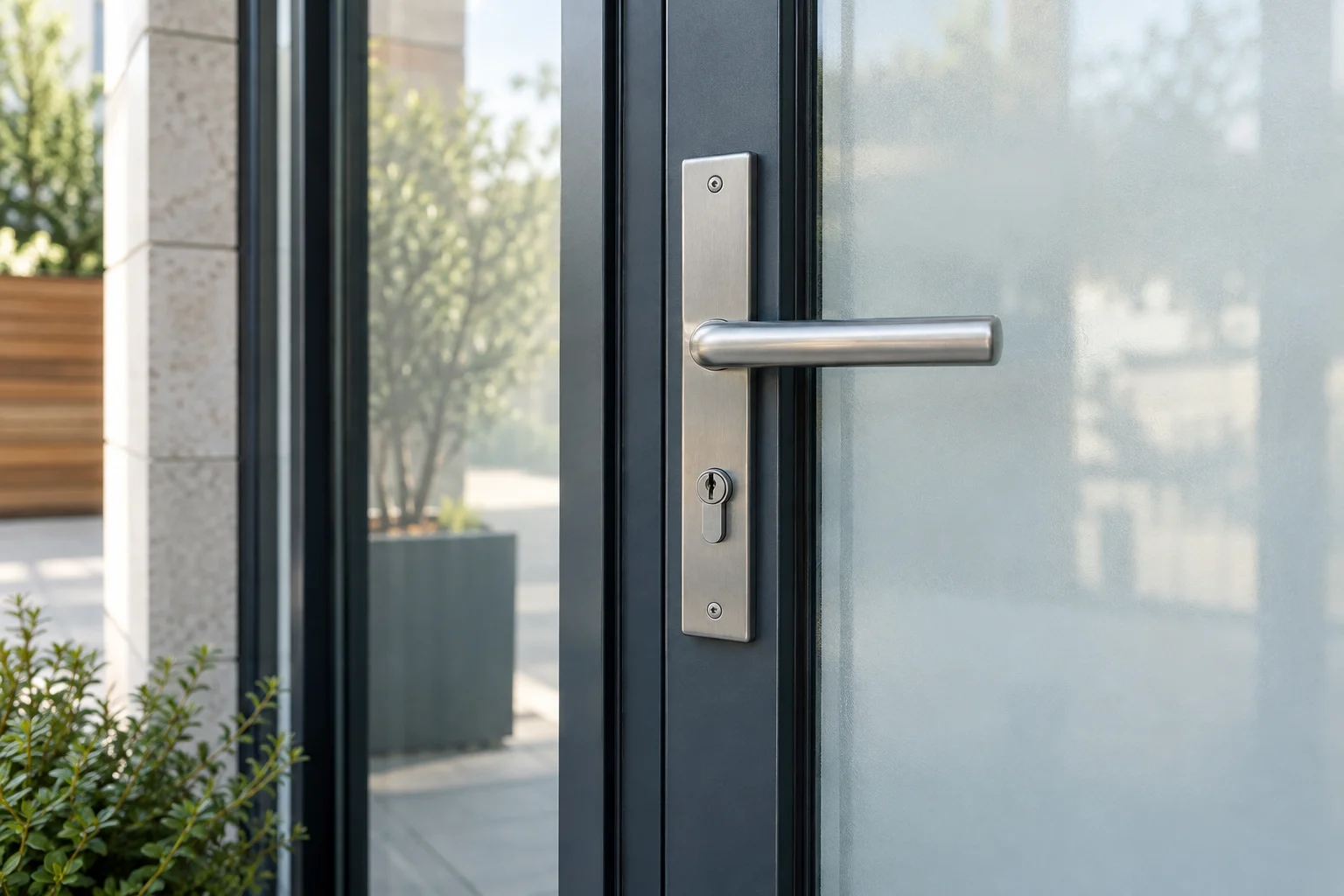
A silver lever handle and profile cylinder on a glass door.

A closer look at your locks.

Tell us which brand you have and what you'd like to change. We can discuss options for your door.

  • Adams Rite
  • Alarm Lock
  • Allegion
  • AMSEC
  • ASSA ABLOY
  • Axis
  • Brivo
  • Corbin Russwin
  • dormakaba
  • Gardall
  • HES
  • HID
  • Kisi
  • LCN
  • LiftMaster
  • Medeco
  • Mul-T-Lock
  • Paxton
  • Salto
  • Sargent
  • Schlage
  • Securitron
  • SentrySafe
  • Suprema
  • Von Duprin
  • Yale
03

Door and function

Check the door before blaming the mechanism

A sagging door or displaced strike can load the latch and bolt. Tell us if the hardware behaves normally while the door is open but binds when it closes. That observation points toward a broader inspection of hinges, frame and alignment.

Forcing a handle or turning a key harder is not a lasting adjustment. It can put extra stress on already worn components. If the opening needs attention, combine the lock assessment with door and frame repair rather than installing a new case against the same resistance.

Commercial functions and electronic upgrades

On a business door, the lock's operating function affects who can enter and how occupants leave. A replacement must preserve the required exit operation and suit any fire-rated assembly. Existing labels, building requirements and connected equipment belong in the assessment before parts are selected.

Electronic mortise products and wireless trim are available for specific applications, but an existing mortise pocket does not establish compatibility. The proposed hardware must work with the door preparation, power or battery arrangement and access-management system. A cosmetic match is not a system design.

For an electronic upgrade, describe who manages credentials, the present controller or software, and the required behavior during loss of power or communication. Commercial access work needs coordinated decisions about the opening and the system that controls it.

Agree on the repair and check the finished function

The quote may involve diagnosis, cylinder work, case or trim parts and door adjustment. Special-order hardware or a conversion can change the scope. Ask which components will remain and whether finishing or related frame work is included.

At completion, operate the key, inside and outside handles, latch and deadbolt as applicable. Check the door closed as well as open. The finished assembly should perform its intended function without unusual force. Call (512) 777-0021 with the symptoms and visible hardware details to arrange mortise-lock help.

From local customers.

4.9from 2,582 Google reviews

Common questions

Answers before you call.

Can a mortise lock be rekeyed without replacing the case?

A compatible, serviceable cylinder may be rekeyed or replaced separately. The lock type and condition determine whether that is appropriate.

Will a standard deadbolt replace my mortise lock?

Not as a straightforward swap. The existing door pocket, trim and operating function differ; a conversion can require additional door work and finishing.

What photos help identify the lock?

Photos of the visible door edge, inside and outside trim, and readable brand markings are useful. Keep the assembly intact rather than dismantling an unfamiliar lock for identification.

Can electronic access be added to a mortise door?

Some compatible products support it. Door preparation, lock function, power and the access-management system need to be assessed together before selecting equipment.

Mobile service

Across Austin. Along I-35.

We serve Travis, Williamson, Hays and Bastrop counties. Call with your exact address so dispatch can discuss current availability.

512 Locksmith dispatch

Identify the mortise lock parts.

Tell us where you are and what needs attention. We can discuss current availability and the appropriate next step.

Call (512) 777-0021Explore lock services