
Lock and key decisions

Lock change or rekey in Austin

Keep sound hardware when a key change solves the problem. Replace parts when condition, fit or the required door function calls for it.

14+ years serving Austin
2,500+ Google reviews 4.9/5
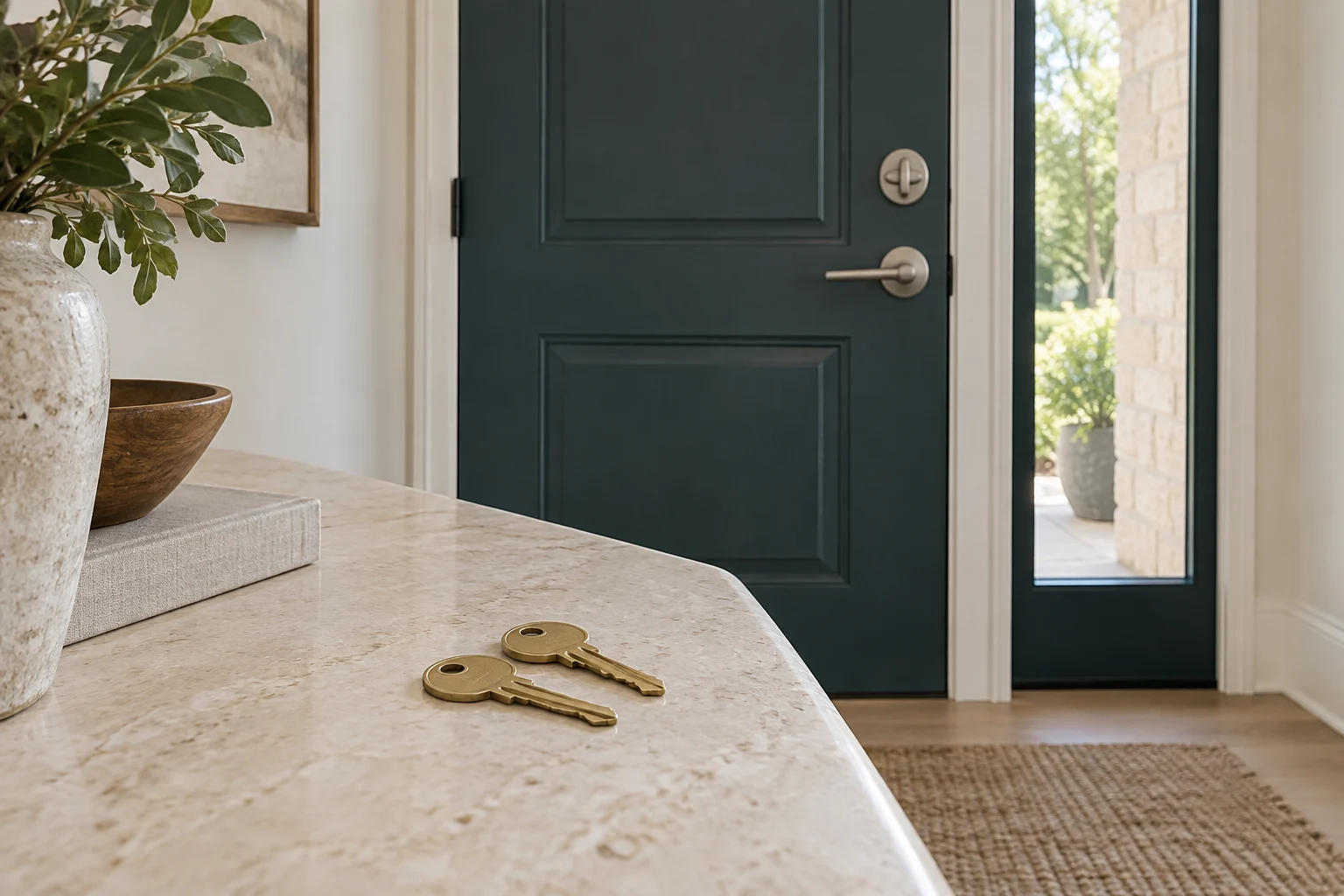
Two keys on a marble counter near a dark entry door.
01

Access or hardware

Change the key when access is the problem

If a lock works well but the wrong person may have a key, rekeying is often the first option worth checking. A technician changes the key arrangement inside a compatible cylinder, and the old key no longer operates that cylinder. The usable handle, deadbolt and other hardware can stay.

A lock change replaces hardware. It makes sense when parts are damaged, worn beyond a useful repair, incompatible with your key plan or wrong for the way the door needs to function. 512 Locksmith helps Austin customers choose between those approaches instead of treating every lost key as a reason to buy an entirely new lock.

This comparison is part of our lock hardware guidance. If you already know you want the locks at home rekeyed, the residential rekeying service page covers arranging that job. For a business, see commercial lock rekeying and cylinder compatibility, a door list and who can approve the work.

Separate the access concern from the door fault

A key that should stop working is an access issue. A handle that droops, a bolt that sticks or a door that will not latch is a mechanical issue. Both can exist at once. Rekeying does not rebuild a worn mechanism or straighten a door, so describe those symptoms separately when requesting a quote.

If a lock operates easily with the door open but resists when closed, the surrounding door and strike need attention. Replacing the key cylinder without addressing alignment may leave the same fault. A damaged frame also needs sound repair before it can reliably hold new hardware.

Conversely, replacing a complete lockset can be unnecessary when its only problem is an unaccounted-for key. An assessment should explain which component needs changing and why. That gives you a useful choice between retaining sound hardware and paying for a functional improvement.

02

Plan the key change

Common decisions after a move or change of occupants

After buying a home, make a list of the exterior doors and the keys you received. Include the garage-to-house door, side entry and other separately keyed openings. A handful of keys from the closing table does not explain who holds copies or which lock each key operates.

Decide whether all occupants should have the same access. You may want one key for household entry and a separate arrangement for a storage area. A landlord, building manager or business owner may have an existing key system that must be preserved. Resolve authorization and the intended access plan before changing hardware.

When a key is stolen with information identifying the property, mention that concern promptly. The work may be time-sensitive, but the choice still depends on the condition and compatibility of the locks. If there is an immediate threat or suspected crime in progress, contact emergency services.

Can all the doors use one key?

Possibly, but a single-key plan requires compatible cylinders and keyways. Two locks with the same finish may use completely different keys. A door fitted during a later remodel may also have different hardware from the rest of the home.

Record which existing key works in each lock, then tell us which doors you want grouped together. One incompatible cylinder may need replacement while the remaining locks can be rekeyed. There is no need to assume every piece of hardware must match cosmetically or be replaced at the same time.

For a business where different people need different groups of doors, ordinary keyed-alike locks may be too simple. A planned master-key system is a separate discussion about access levels and future changes. More keys are not always a better access plan.

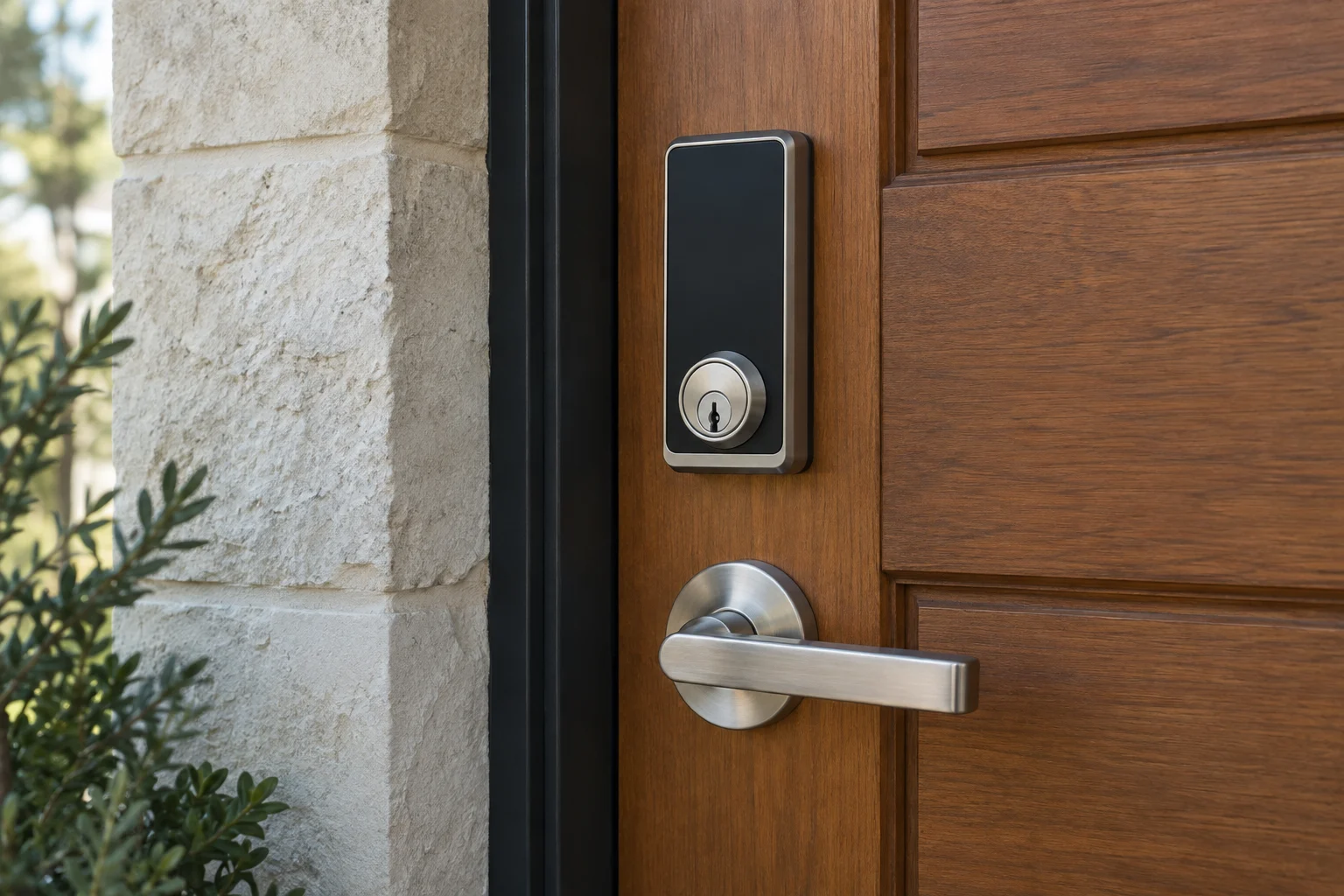
A black smart deadbolt and lever handle on a wood entry door.

A closer look at your locks.

Tell us which brand you have and what you'd like to change. We can discuss options for your door.

  • Allegion
  • AMSEC
  • Aqara
  • ASSA ABLOY
  • August
  • Baldwin
  • Chamberlain
  • dormakaba
  • Emtek
  • eufy
  • Gardall
  • Kwikset
  • Level
  • LiftMaster
  • Lockly
  • Medeco
  • Mul-T-Lock
  • Nuki
  • Schlage
  • SentrySafe
  • SwitchBot
  • Ultraloq
  • Yale
03

Replace and verify

Reasons to choose replacement

Replacement can solve a damaged lock body, an unreliable latch or a need for a different operating function. It can also support a planned hardware upgrade. The important point is to name the improvement: easier operation, compatible keying, a suitable rating or a new access method.

If you want a keypad, decide whether a standalone code lock is enough or whether you need remote management. A smart lock may change the exterior hardware, inside assembly or both. It still needs the right door preparation and a mechanical opening that works properly.

An older or unusual lock deserves identification before removal. A mortise case or profile cylinder does not necessarily accept a standard replacement from a retail shelf. Preserve any brand markings and avoid buying parts based on the handle's appearance alone.

Compare the complete scope, then check the keys

For rekeying, cost depends on the number and type of cylinders, existing access, desired key groups and any repair needed. For replacement, the chosen hardware and fitting work add to the scope. Count keyed cylinders rather than assuming one door equals one lock.

Ask for the proposed work door by door. It should be clear which hardware stays, which parts change, how many new keys are included and whether old keys will still operate any retained locks. That is more useful than comparing two unexplained totals.

At completion, test the new keys in every intended lock and verify that the retired key no longer works where access was changed. Keep a labeled record of the final arrangement without attaching your address to a loose key. Call (512) 777-0021 to discuss a rekey or lock change in Austin.

From local customers.

4.9from 2,582 Google reviews

Common questions

Answers before you call.

Is rekeying the same as changing a lock?

Rekeying changes which key operates a compatible cylinder while retaining usable hardware. Replacing a lock changes hardware and may also change its function or specification.

Can I rekey one door and replace another?

Yes, a mixed plan can make sense when some hardware is sound and other parts are worn or incompatible. The intended key arrangement should be planned across all affected doors.

Does rekeying fix a sticking deadbolt?

It changes key access, not door alignment or a damaged bolt. Explain the sticking symptom so any necessary mechanical repair is included.

Do I count doors or locks for a rekey quote?

Count keyed cylinders and describe where they are. One door can have more than one keyed lock, and different cylinder types can require different work.

Mobile service

Across Austin. Along I-35.

We serve Travis, Williamson, Hays and Bastrop counties. Call with your exact address so dispatch can discuss current availability.

512 Locksmith dispatch

Compare a rekey with replacement.

Tell us where you are and what needs attention. We can discuss current availability and the appropriate next step.

Call (512) 777-0021Explore lock services