

Commercial door hardware and shift key control
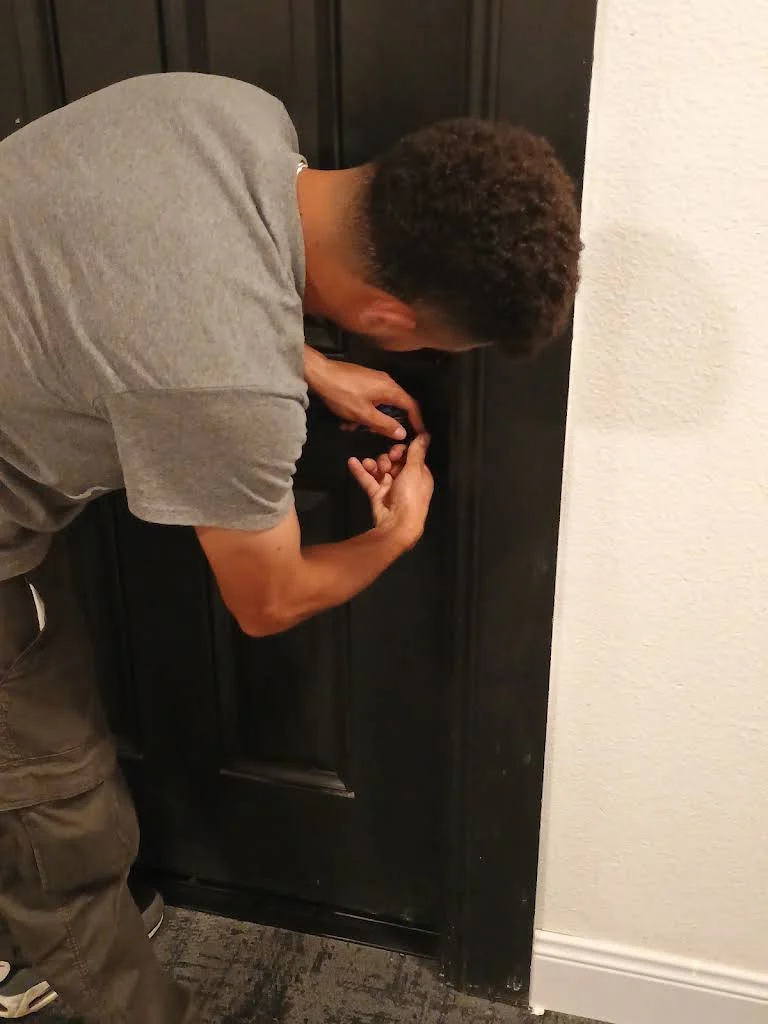
For a Taylor business, begin an access change with the doors and people involved. Compatible commercial cylinders can be rekeyed while keeping usable levers or lock cases. We agree which operating keys should change and test the serviced locks under that plan. Existing electronic permissions and any master-key access need to be discussed separately.
A shop door that slams, leaks closer fluid or stops before latching needs a check of the whole opening. We inspect the closer, hinges, latch and door fit before recommending adjustment or replacement. Report whether the problem changes with wind or ventilation and whether it happens on every cycle. Those normal-use observations help us understand the fault without asking you to take the hardware apart.
Before work begins, we explain which parts can be repaired and which need replacement. Keeping a sound commercial lever or lock case may be practical when only the cylinder needs attention. If the assembly is damaged, we discuss a compatible replacement and any effect on the door preparation. The aim is dependable closing, locking and exit, with the work coordinated around staff and customers.
For several doors, start with a list of who should open each one. A master key system can provide different access levels across compatible locks. If controlling duplicate keys matters, ask about restricted key systems and their actual authorization process. Electronic entry may suit a business that changes staff permissions frequently, but the existing door must still close and latch properly.