
Electronic door hardware

Magnetic door locks in Austin

A magnetic lock is one part of a controlled opening. We assess why the door will not hold or release, and how the lock works with the reader, exit devices and building requirements.

14+ years serving Austin
2,500+ Google reviews 4.9/5
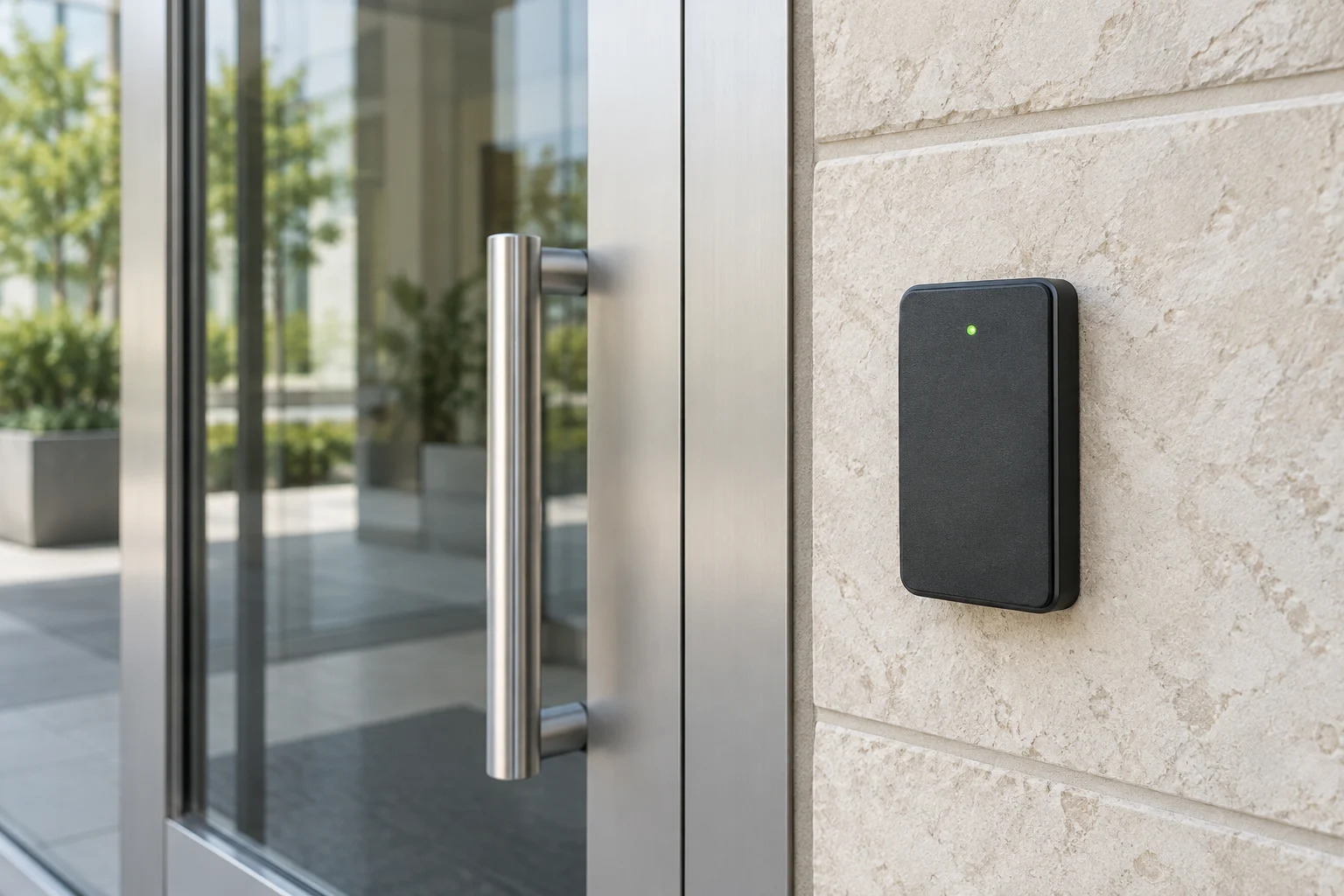
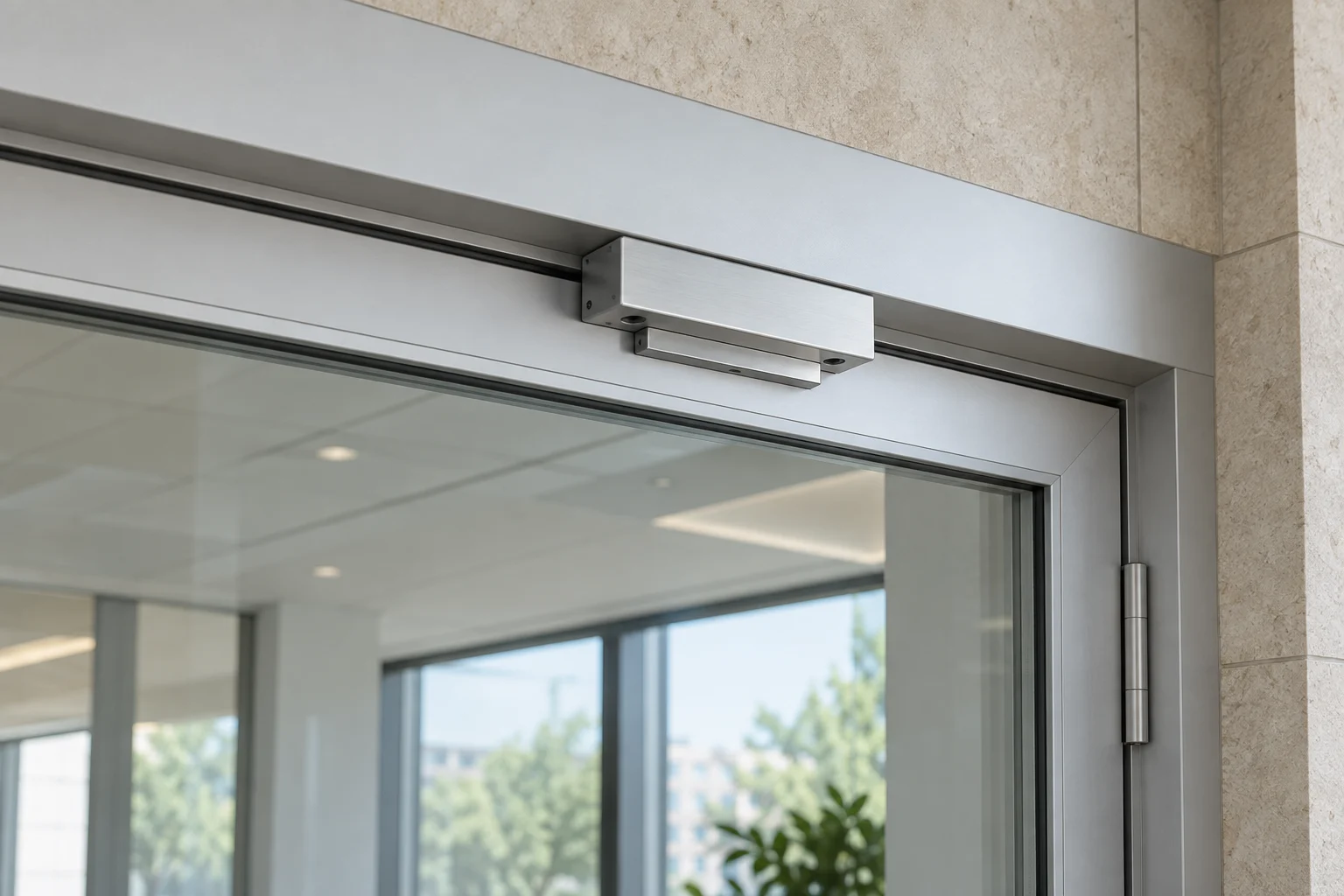
A magnetic lock above a glass entry door.
01

Holding and access

Understand what the magnet does

A typical electromagnetic lock uses an energized magnet and an armature plate to hold a compatible door closed. It releases when power to the magnet is removed. That fail-safe behavior differs from a mechanical latch or a lock described as fail-secure. The terms should be understood before hardware is selected.

Allegion's door-hardware guide distinguishes electromagnetic locks from other electrified locking devices. A maglock is not the right answer for every office entrance, and its holding specification alone does not establish a suitable or approved installation.


Separate a holding problem from an access problem

If the door will not stay secured, describe whether the magnet appears energized, whether the door reaches its normal closed position and whether the plate makes proper contact. Do not remove covers or adjust wiring to investigate. Alignment, hardware condition and the power or control path can affect the result.

If the door holds but does not release when an authorized person presents a credential, the reader, permission or control system may be involved. Say whether other users can enter and whether the normal exit function works. A symptom that affects every credential is different from a problem with one user's access.

02

Exit and approval

Exit behavior is part of the system

A magnetic lock installation must provide the required way for occupants to leave and any required release through the approved design. A wall button, motion device, door hardware and fire-system interface have distinct roles; no one of them should be treated as a universal substitute for the others.

Do not bypass a release device or keep a magnet energized through an improvised power arrangement to stop nuisance unlocking. If people cannot exit normally or someone is in immediate danger, treat that as an urgent safety problem. The building's responsible person needs to know while the opening is made safe for assessment.

Review the Austin approval requirements

The current Austin Fire Department electrical-locking FAQ describes the permit and review process for electrical door-lock installations. A new maglock or a significant change to an opening should be planned with the applicable authority and approved scope in mind.

Provide existing plans or inspection information when available. Older online advice may describe a superseded process or a different type of release arrangement. The opening needs a project-specific assessment against current requirements.

A closer look at your locks.

Tell us which brand you have and what you'd like to change. We can discuss options for your door.

  • Adams Rite
  • Alarm Lock
  • Allegion
  • AMSEC
  • ASSA ABLOY
  • Axis
  • Brivo
  • Corbin Russwin
  • dormakaba
  • Gardall
  • HES
  • HID
  • Kisi
  • LCN
  • LiftMaster
  • Medeco
  • Mul-T-Lock
  • Paxton
  • Salto
  • Sargent
  • Schlage
  • Securitron
  • SentrySafe
  • Suprema
  • Von Duprin
  • Yale
03

Hardware and power

Compare a maglock with other hardware

Door material, frame shape, mounting space and the required function affect the options. Some openings may suit an electric strike or electrified lockset instead. The choice should preserve appropriate exit operation and work with the door's closer, hinges and existing preparation.

A glass or aluminum entrance does not automatically require a magnet. Equally, selecting a different locking device may involve more than swapping one part. Ask how each option affects cabling, mounting, credentials and the approved opening so you can compare the complete scope.

Power and backup plans need clear explanations

Loss of power at the magnet releases that magnet, but a building's full door behavior also depends on other hardware and system design. Battery backup, fire-release interfaces and control equipment must be considered together. Do not use the phrase power backup as a reason to defeat a required release.

Ask the provider to describe the intended behavior during normal access, exit operation and the relevant power or system events. Those scenarios should be part of commissioning and documentation. Staff need to know how to report a fault without improvising a workaround at a safety-critical opening.

An access reader on a limestone wall beside a glass door.
04

Repair and handoff

Repair the cause, not just the visible symptom

A door that closes inconsistently may fail to present the plate correctly to the magnet. In that case the closer or alignment may need attention alongside the lock. Replacing the magnet alone can leave the same unreliable closure.

For an existing system, collect the lock and controller model information, the administrator contact and a description of when the fault occurs. A photograph of the whole opening is often more useful than a close-up of the magnet alone. Keep detailed wiring and access information within the authorized service conversation.

Scope, scheduling and handoff

A quote should separate fault diagnosis, replacement hardware, mounting work, power or cabling work and system configuration. Required approvals and coordination with other contractors should be identified before scheduling. A tenant should involve the owner or manager when the opening or system belongs to the building.

Plan a work window that keeps an appropriate route for people entering and leaving. At handoff, review the agreed holding and release functions and any related access-control behavior. Keep the service record with the responsible manager, especially if several contractors maintain different parts of the system.

Call (512) 777-0021 to discuss magnetic-lock service in Austin. For the wider credential and administration plan, see access-control systems. Our commercial locksmith services also cover mechanical keys and exit hardware where those are the better fit.

From local customers.

4.9from 2,582 Google reviews

Common questions

Answers before you call.

Is a magnetic lock fail-safe or fail-secure?

A conventional electromagnetic lock releases when power to the magnet is removed, so it is fail-safe. Other hardware on the opening and the approved system design still affect overall door behavior. Do not generalize from the magnet alone.

Why does the magnet hold weakly?

Contact, alignment, mounting, component condition or electrical issues may be involved. Report what changed and whether the door closes normally. Avoid adjusting the plate or wiring yourself; the complete opening needs an appropriate assessment.

Can we add a maglock to an existing access-control reader?

The reader, controller, power and approved release arrangement must support the proposed design. Compatibility is not established simply because both products are electronic. An equipment inventory and opening assessment should come before the purchase.

Can the lock stay powered during a fire alarm?

Required release behavior depends on the approved opening and applicable requirements. Do not alter an interface or backup-power arrangement to defeat a required release. Coordinate the design with the responsible building and fire-system professionals.

Mobile service

Across Austin. Along I-35.

We serve Travis, Williamson, Hays and Bastrop counties. Call with your exact address so dispatch can discuss current availability.

512 Locksmith dispatch

Call about the door and exit arrangement.

Tell us where you are and what needs attention. We can discuss current availability and the appropriate next step.

Call (512) 777-0021Explore Commercial locksmith