

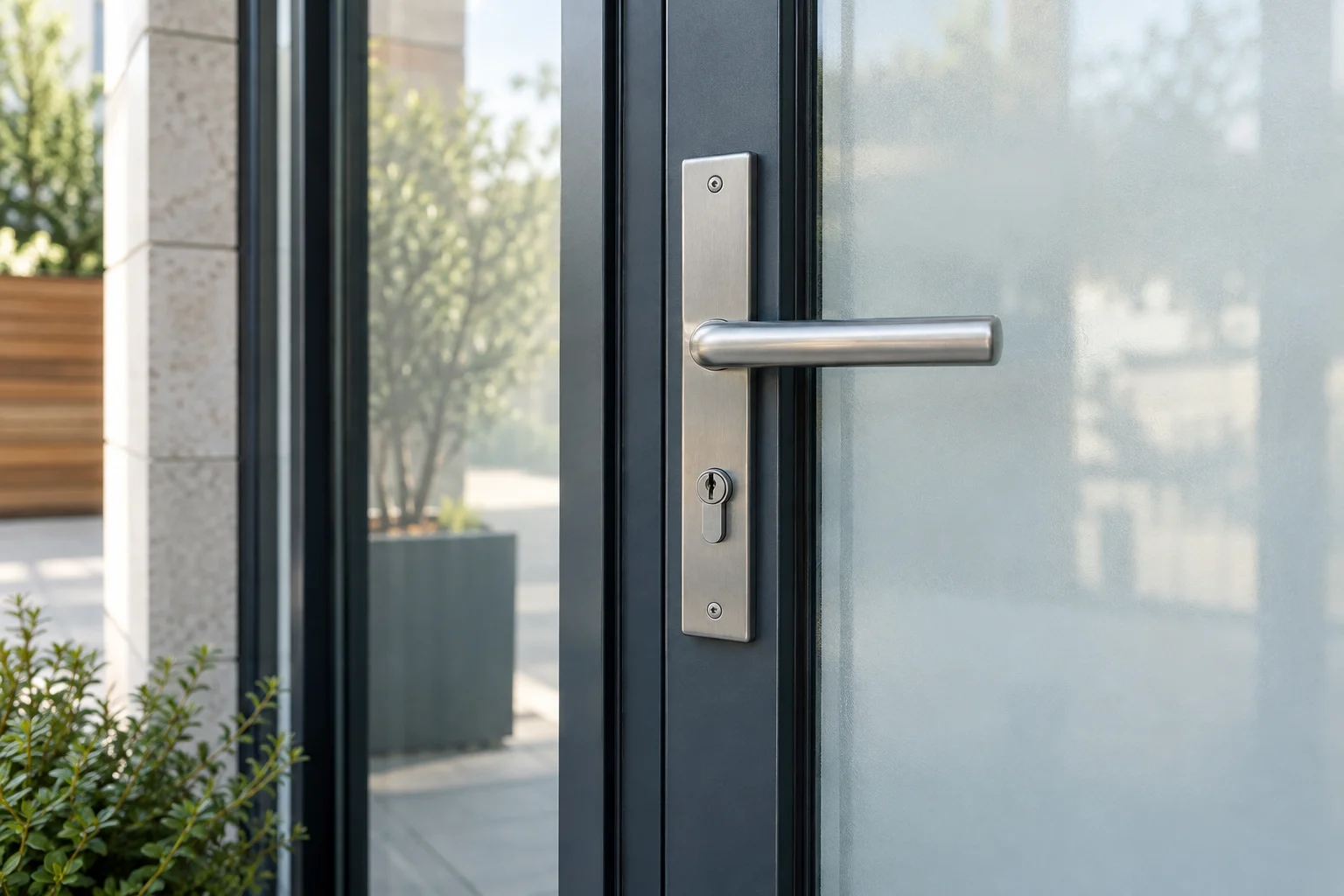
High-security cylinders can improve resistance or key control, but those are different benefits. Before upgrading, identify the problem: uncontrolled copies, worn hardware or a weak opening. 512 Locksmith has served Austin for more than a decade, and a clear problem makes it easier to compare suitable options.
In this guide
- 01Decoding high-security claims: attack resistance versus key control
- 02The complete-door limit
- 03Future key ordering and long-term costs
- 04Multi-door compatibility
- 05When a repair or standard rekey is the better spend
- 06A specific high-security example
- 07Frequently asked questions about high-security upgrades
Decoding high-security claims: attack resistance versus key control
Products sold as high-security generally focus on two separate goals: physical resistance to attack and strict control over key duplication. When comparing options, ask which features apply to the exact cylinder you are buying, rather than relying on the marketing label on the box.
Physical attack resistance
A standard residential deadbolt offers basic protection but can be vulnerable to drilling, picking or bumping. High-security cylinders often incorporate hardened steel inserts to resist drilling and complex pin configurations that make picking or bumping significantly harder. These features increase the time and skill required to defeat the lock; they do not make the lock impossible to bypass. Independent testing standards, such as those from the Builders Hardware Manufacturers Association (BHMA) or Underwriters Laboratories (UL), provide a more objective measure of a lock's physical strength than the term high-security alone.
Restricted keys and patent protection
For many businesses and homeowners, the most practical benefit of a premium system is key control. Common key blanks are widely available at hardware stores and automated kiosks. If you hand a standard key to a contractor, dog walker or employee, you have no way of knowing if they made a copy.
Restricted systems can control access to key blanks and authorized duplication. Patent coverage, dealer arrangements and ordering rules vary. Ask who may request copies, what proof they need and whether a useful issue record is available. Do not assume every product uses a signature card or that restriction makes unauthorized duplication impossible.
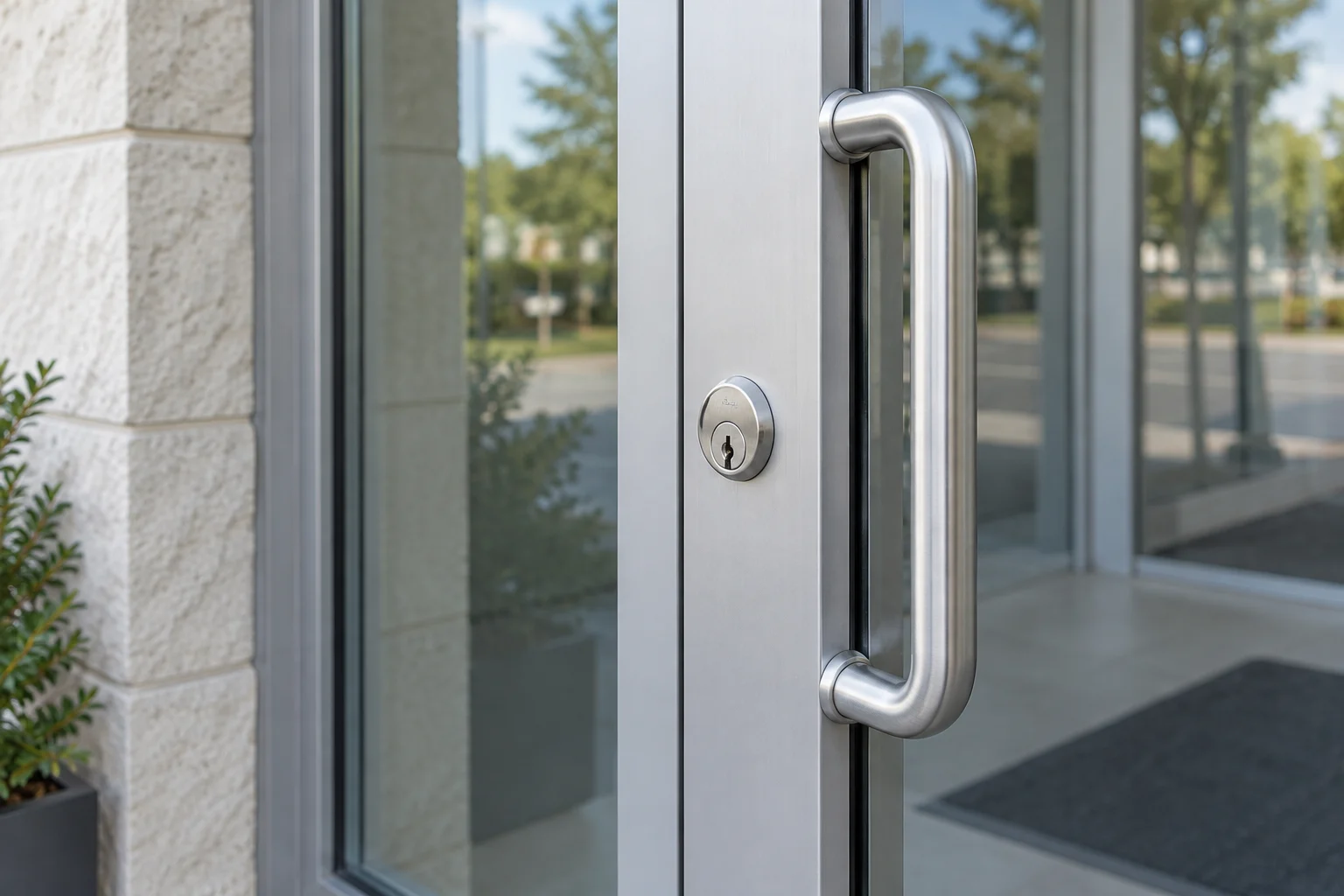
Commercial storefront door lock
The complete-door limit
Assess the rest of the entrance before spending more on a premium cylinder. A lock is one component of the complete opening.
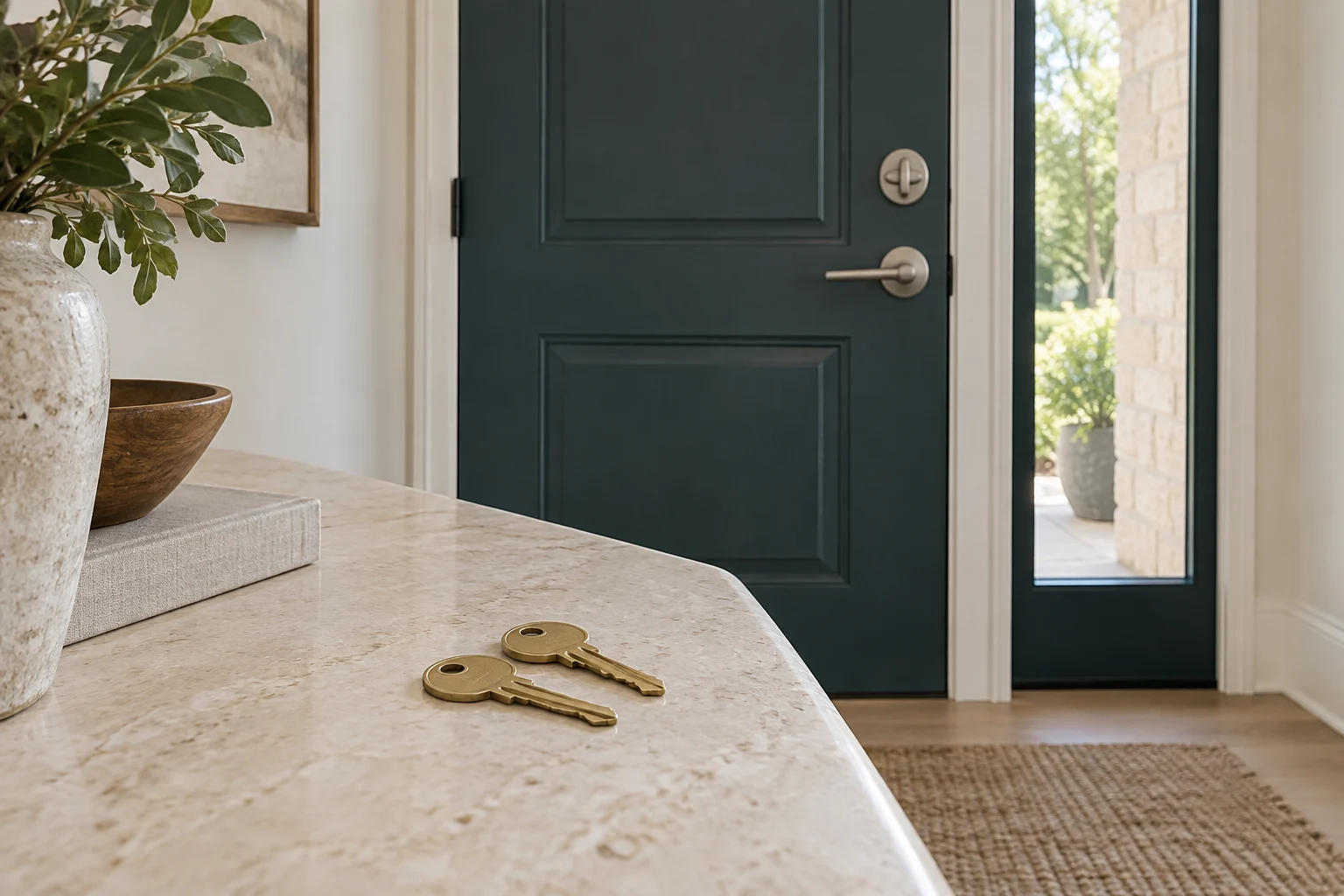
Inspect the frame, strike, hinges and door condition before choosing a premium cylinder. Suitable reinforcement must match the construction and installation instructions. Better cylinder features do not compensate for a damaged frame or an opening that fails to latch.
A stronger cylinder still needs a sound door
Key control and force resistance solve different problems.
- Entrance
- Access gap
- Separate controls
Further reading: Medeco: Medeco 4 Maxum
The rest of the opening
Future key ordering and long-term costs
Before investing in a restricted keyway, consider the long-term process for maintenance. Ask about the price and process for cutting additional keys, rekeying the cylinder if a key is lost, and replacing hardware if it breaks.
Find out whether another local provider can support the system if your original installer is unavailable. A heavily restricted system ties you to specific dealers. Furthermore, if your internal authorization list is not kept up to date, you may find yourself unable to order a necessary spare key because the only authorized signer left the company or is out of town.
Multi-door compatibility
If you have several entrances, you might want a high-security system without replacing every expensive decorative handle set. Depending on the brand of your existing hardware, a locksmith may be able to replace just the internal cylinder with a high-security version. This allows you to improve key control while maintaining the exterior look of the property and potentially keying multiple doors to operate on a single restricted key. However, compatibility needs to be verified on-site, as not all standard housings accept premium cylinders.
Where is the weak point?
Unknown keys
Ask whether rekeying or controlled duplication solves the issue.
Damaged opening
Inspect the frame, strike and door first.
Special requirement
Compare the exact product's documented ratings and future key ordering.
When a repair or standard rekey is the better spend
A high-security lock is not always the right answer to a security concern.
If the key works with the door open but binds when closed, have the opening assessed before choosing a cylinder. The observation helps distinguish the work needed but does not establish the cause.
If your concern is a missing key, ask whether rekeying suitable existing cylinders addresses it. Compare the complete quote with repair or replacement where needed. Rekeying changes key access; it does not improve the hardware's physical rating.
A simpler access change
A specific high-security example
The Medeco 4 Maxum product documentation describes hardened inserts and rotating pins for drill and pick resistance under UL437. That gives you a concrete specification to compare, rather than an absolute "pick-proof" promise. Check the exact configuration, door fit and authorized key-ordering arrangements.
Frequently asked questions about high-security upgrades
Can a high-security lock fit my door?
Suitability depends on the existing lock housing, door preparation and intended function. Send the model and door photos before buying. Modifications to rated or managed doors require particular care.
What if i lose a restricted key?
Contact the authorized provider for the specific system and establish the replacement-key procedure. If the missing key creates a concern, discuss rekeying the affected cylinders as well. Cutting another key does not cancel the original.
Are high-security locks pick-proof?
Treat "pick-proof" as a claim to question. Look for applicable independent testing of the exact product and distinguish resistance to picking from drilling, force and copying. A key-free device lacks a conventional keyway but still has other security considerations.
Describe what you want to change: fewer uncontrolled copies, a more durable entrance, or replacement of failed hardware. That gives a locksmith a concrete problem to solve and makes different quotes easier to compare. Contact 512 Locksmith at (512) 777-0021 to discuss your security goals. We handle everything from basic residential changes to implementing restricted master key systems for commercial facilities. Our dispatch accepts calls 24/7. Texas license B07298601.
Sources and further reading
- Medeco 4 MaxumMedeco