Match the hardware to the household
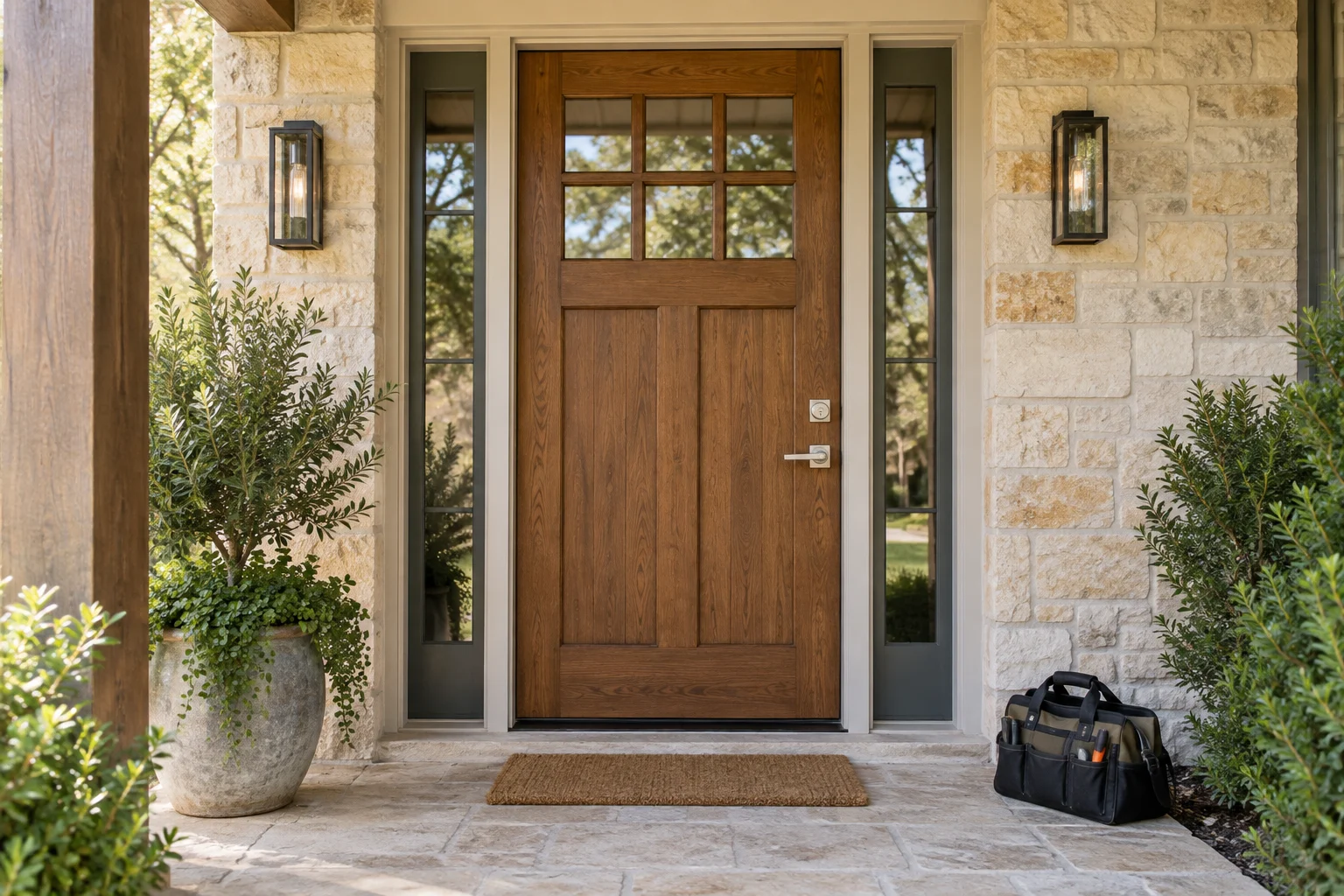
Think about how occupants use the entrance. A suitable handle and inside locking control should be straightforward for the people who live there. The required exit operation must remain clear; adding a second lock is not helpful if it creates an obstacle to leaving.
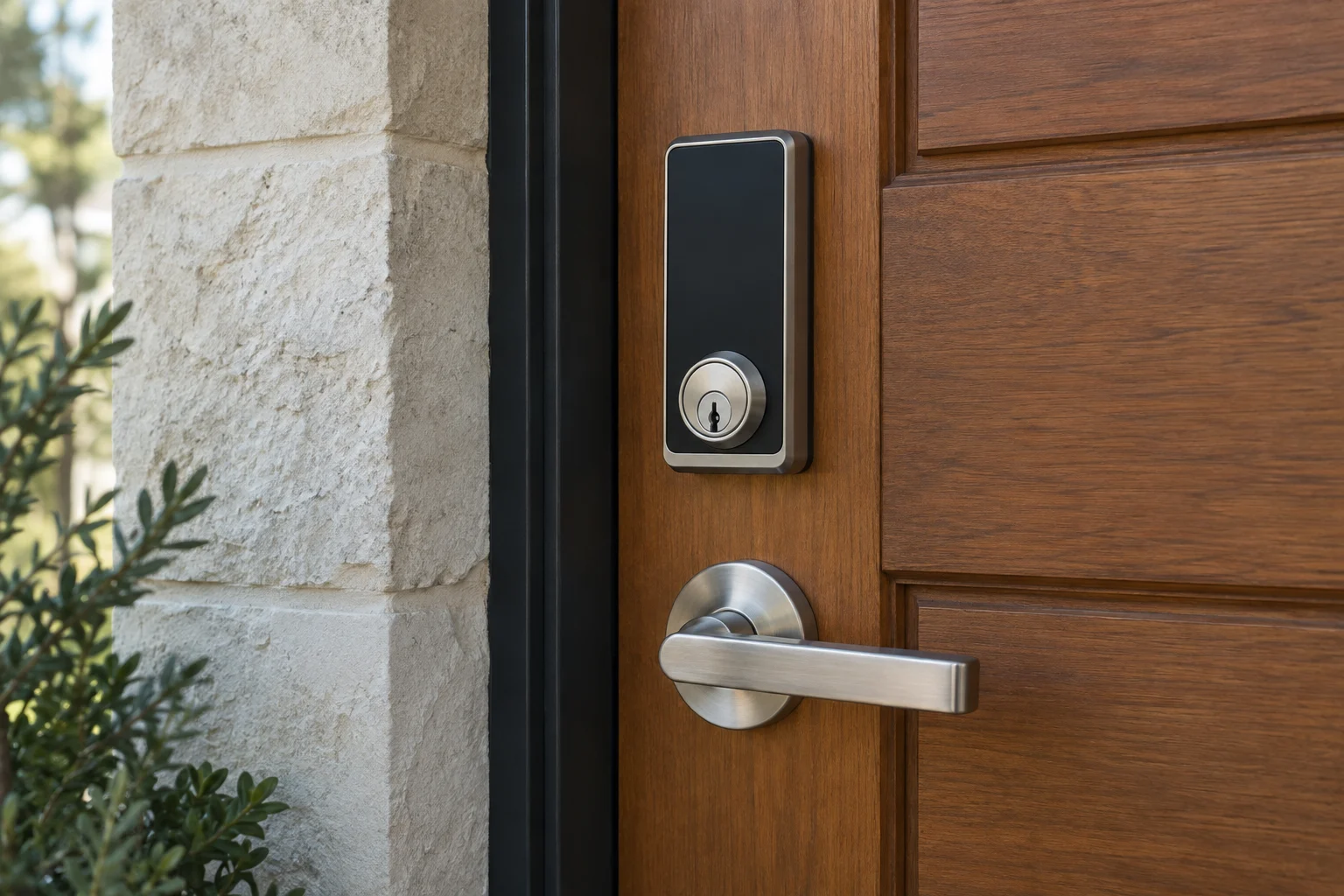
Mechanical deadbolts remain a practical option when you want ordinary keyed entry. A Schlage B60-family deadbolt and a Kwikset 980 SmartKey are examples of recognizable product families to identify during a hardware discussion. They use different product specifications and key arrangements, so the technician should check compatibility before promising that an existing key can be retained.
For electronic access, decide whether a keypad is enough or whether you want app or wallet-key features. The door must still close and align properly. A smart lock's motor should not be expected to pull a misaligned door into place every time.
Kwikset's Premis troubleshooting guide on door jamming makes the same point for its smart deadbolt. It names a jam cause in plain terms: "The deadbolt latch and strike are misaligned, causing the latch to bind." Its check is simple. If you have to push, pull or lift the door to close it, the guide says to adjust the position of the lower strike for the knob or lever.